Dubai Court Freezes $456M in TrueUSD Fraud Case Against First Digital Trust
A Dubai court has frozen $456M in assets tied to alleged misappropriation of TrueUSD reserves. Justin Sun accuses First Digital Trust of fabricating documents.
Dubai Court Freezes $456M in TrueUSD Stablecoin Fraud Case
A Dubai court has issued a worldwide asset freeze of $456 million linked to alleged fraud involving the reserves of the TrueUSD (TUSD) stablecoin, coindesk.com reports. The ruling by Dubai's Digital Economy Court does not determine liability but was granted on the basis that serious issues remain to be tried.
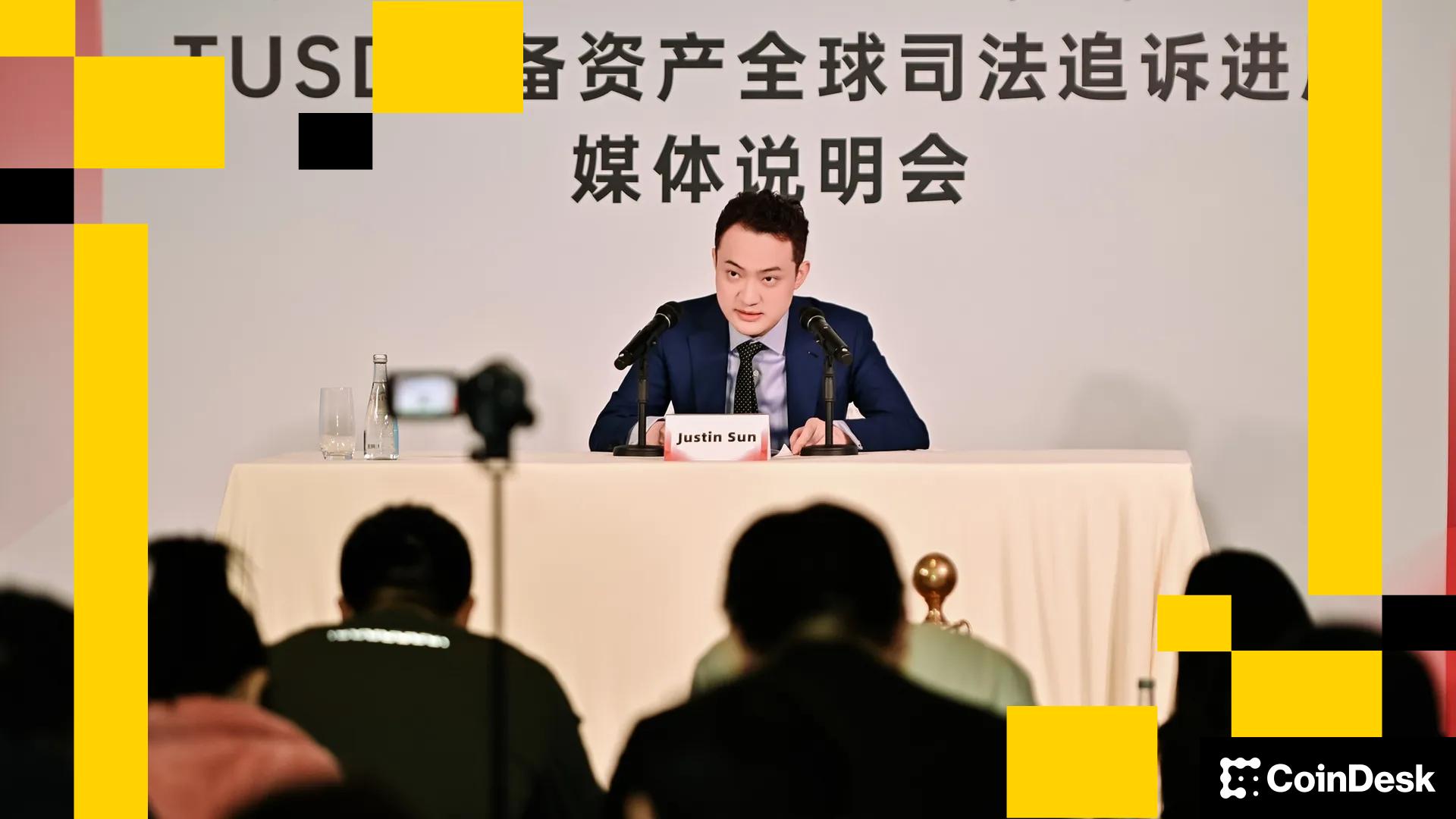
Justin Sun, founder of the Tron blockchain and adviser to TUSD issuer Techteryx, escalated his allegations at a Thursday press conference in Hong Kong, accusing First Digital Trust (FDT) — the fiduciary appointed to manage TUSD's reserves — and its CEO Vincent Chok of routing hundreds of millions of dollars in reserves into illiquid offshore vehicles without authorisation and fabricating transaction documents to conceal the transfers.
"We have evidence they have been fabricating all the transaction documents," Sun told CoinDesk in an interview.
Background: How the Dispute Unfolded
Techteryx acquired TUSD in 2020 and appointed FDT to hold and manage the reserves backing the token. Sun first disclosed a liquidity shortfall in TUSD reserves earlier this year, alleging that Hong Kong's trust regulations allowed FDT to redirect nearly half a billion dollars offshore without proper authorisation.
In court filings, Techteryx claimed the transfers were directed to Aria Commodities DMCC — not to the Aria Commodity Finance Fund, a Cayman Islands vehicle it says it had originally authorised — and that the funds became tied up in illiquid commodity and infrastructure deals that could not be redeemed. Aria has denied those allegations.
Both Techteryx and Aria acknowledge that the reserves ended up in Aria-linked entities. The central dispute concerns whether FDT was authorised to send the funds there and whether it understood the assets would be committed to long-term, illiquid trade-finance projects — arrangements considered inappropriate for stablecoin reserves.
Competing Accounts
FDT denies diverting the funds, saying it acted strictly on instructions from Techteryx or its representatives. The company argues the money became difficult to retrieve because Aria raised anti-money laundering (AML) and know-your-customer (KYC) concerns about Techteryx's ownership structure, not because FDT knowingly placed reserves into illiquid arrangements.
The directions from Techteryx that FDT has cited in its defence, Sun alleged, were fabricated.
Chok told CoinDesk that FDT had sought a court injunction to halt the press conference, describing Sun's remarks as "unproven and baseless defamatory claims." FDT is currently suing Sun for defamation.
"Sun presented no evidence to support his extraordinary claims other than sharing public information about normal proceedings in this saga," Chok said. On X, FDT stated it welcomed any steps that assist Techteryx in recovering its assets from Aria, adding: "Our position remains grounded in documented facts and the judicial record. We want to see the funds released and justice done through proper legal process."
Hong Kong's Trust Regulatory Gap
The case has drawn attention to structural weaknesses in Hong Kong's Trust or Company Service Provider (TCSP) framework, which licenses and oversees non-bank trust companies. Unlike banks or licensed securities intermediaries, TCSPs are not required to obtain prior regulatory approval for large transfers, face no capital requirements, and are supervised by the Companies Registry rather than financial regulators.
Sun argued the framework leaves client assets vulnerable. "Any owner of the trust can basically transfer their client's assets into any account he wants. You can just have one single transaction… and only one person can do that," he said. "The regulators need to close it immediately."
Legislative Council member Johnny Ng, an advocate for Hong Kong's Web3 sector, acknowledged in April that multiple suspected fraud cases involving trust companies had already been reported to his office, calling for the city to strengthen its regulatory framework for such entities.
Pressure on Regulators
The Dubai freeze order locks down the assets until Hong Kong courts resolve the underlying dispute, adding external pressure on local regulators at a particularly sensitive moment. Hong Kong is in the process of establishing a stablecoin licensing regime in which custodial controls are expected to be central to investor protection.
The asset freeze intensifies scrutiny of whether the TCSP regime is fit for purpose as the city positions itself as a regulated hub for digital assets. Sun indicated he expects further developments before the end of the year.
Source: Google News UAE — Dubai