Sharjah Police dismantle Dh3m fraud ring behind delivery and romance scams
Four African nationals arrested after Sharjah Police dismantled a cross-border fraud network that stole over Dh3 million via fake delivery and romance scams.
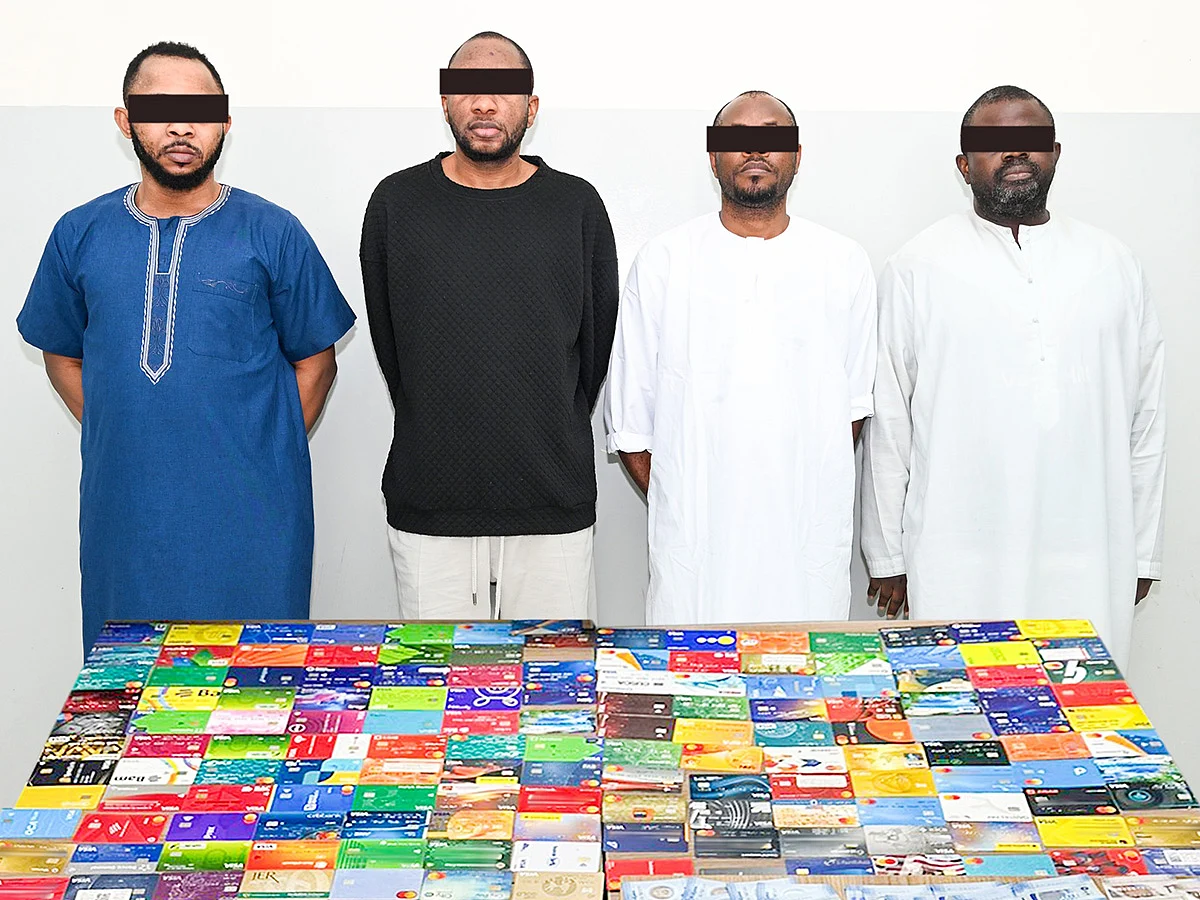
Sharjah fraud network used fake parcels and social media relationships to steal Dh3m
Sharjah Police have arrested four African nationals and dismantled an international fraud network responsible for stealing more than Dh3 million from victims in the UAE and abroad, gulfnews.com reported on Sunday.
The Criminal Investigation Department (CID) led the operation after receiving multiple reports that pointed to a recurring pattern of fraudulent activity. Investigators confirmed the suspects operated as an organised network, deploying at least two distinct methods to deceive victims.
Colonel Dr Khalifa Balhaj, Director of the CID, said one scheme centred on fake delivery scams. The suspects impersonated shipping and insurance companies, convincing victims they had parcels awaiting clearance and demanding payments for customs fees and insurance charges.
Investigations revealed the gang had also gained unauthorised access to data belonging to a legitimate insurance company in the shipping sector. Using real company information, they were able to target suppliers and clients with genuine business dealings, making their approach significantly more convincing.
The network operated across borders. One suspect directed operations from outside the UAE, selecting targets and coordinating other members. Inside the UAE, other members received funds and withdrew cash through ATMs. A specialised police team tracked the suspects and documented transactions, including the withdrawal of part of the stolen money in two instalments before it was handed to another member of the group.
A second scheme involved romance scams conducted via social media. The suspects created fake profiles using photographs and identities of women to draw victims into emotional relationships. Once trust was established, they fabricated scenarios — including travel plans, planned meetings inside the UAE, or emergencies — to justify requests for money transfers. Funds were moved through hard-to-trace channels, including prepaid SIM cards and indirect payment methods.
Colonel Balhaj said the cases illustrate the growing sophistication of fraud operations that combine social engineering with digital tools. He urged residents to avoid responding to unexpected or unverified financial requests, particularly those arriving via unknown accounts or suspicious messages.
Authorities advised the public to verify sources before making any payments, to refrain from sharing personal or banking details, and to report suspicious activity to police.
Sharjah Police stated that specialised teams are continuing to apply advanced digital forensic technologies to track and dismantle criminal networks, alongside broader preventive measures aimed at protecting the community.