DLP and FOD back gun crime action but warn Domestic Terrorism Bill ignores root causes
Opposition parties support tougher penalties but say Barbados' new bill does nothing to address gang recruitment, unemployment, or youth disconnection.
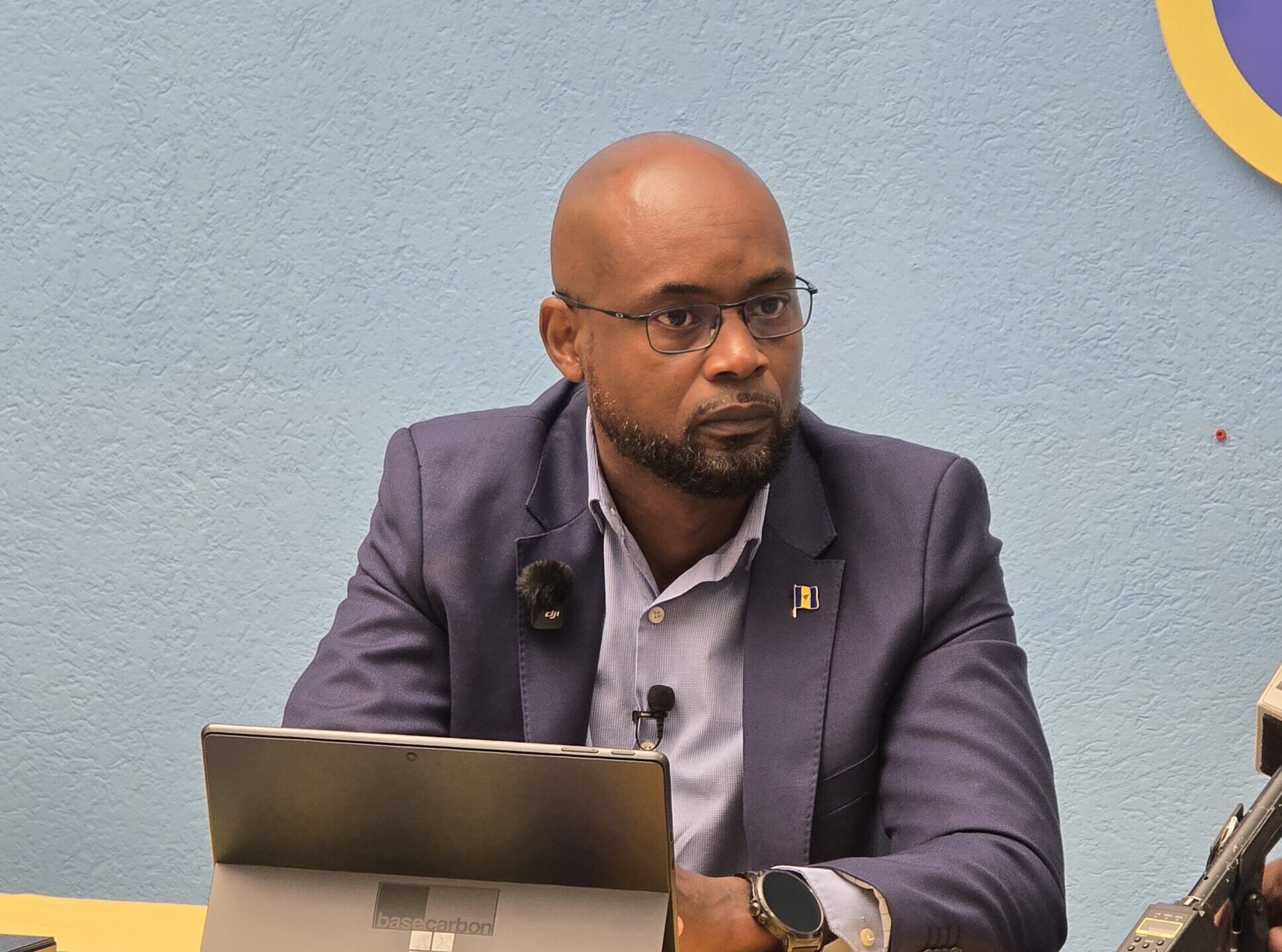
Opposition parties: Domestic Terrorism Bill strong on penalties, silent on prevention
Barbados Today reports that both the Democratic Labour Party and Friends of Democracy have endorsed firm action against violent crime, but cautioned that the Domestic Terrorism Bill, brought to Parliament on Tuesday, cannot replace investment in prevention, youth intervention and social services.
DLP spokesperson on legal and home affairs, Corey Greenidge, said the party supports holding violent offenders accountable, but warned that "accountability and window dressing are not the same thing, and Barbadians deserve to know the difference." He described the legislation as "the latest in a lengthening line of government bills that reach for harsher sentences while leaving the actual drivers of gun crime in Barbados untouched."
Greenidge catalogued a string of recent measures — the Bail Act, amendments to the Firearms Act, the Gun Court Act, the Witness Protection Bill and the Criminal Gangs (Prevention and Control) Act — arguing that all focused on what happens after a gun is fired, with no comparable attention paid to what happens before.
"Since during its second term until now with the surge in gun-related violent crimes, this government has not brought forward a single piece of legislation, nor committed a comparable level of public resources, to what happens before that gun is fired," he said.
He pointed specifically to the recruitment of teenagers into gangs, to border control failures and trafficking routes that supply illegal firearms, to unemployment and school dropout rates that gang leaders exploit, and to the absence of a credible framework for rehabilitating young offenders.
"A justice system built entirely on the back end, with nothing invested on the front end, is not a strategy," Greenidge said. "It is a public relations campaign with handcuffs attached."
Concerns over the definition of domestic terrorism
The DLP spokesman also raised substantive legal objections to how the bill defines domestic terrorism. He noted that the proposed definition does not require any political, religious or ideological motive — a distinction he considers fundamental to separating terrorism from ordinary violent crime.
Under the bill as drafted, "an argument between rival factions that turns into reckless public gunfire can be labelled 'terrorism' in the same breath as an act calculated to advance an ideological cause," Greenidge said.
He argued the government had "reached for the most alarming label available rather than the most legally precise one," and suggested that a "straightforward 'aggravated firearms offence' or 'reckless endangerment with a firearm' statute would achieve the same sentencing without the collateral consequences that come with the word 'terrorism'."
Greenidge also warned of wider economic and reputational implications: "That word is not cost-free. It is a designation that can shape how our tourism-dependent economy is viewed abroad, how our travel advisories are written, how our reinsurance and risk classifications are set, and how closely our financial system is scrutinised under FATF-adjacent frameworks built around counter-terrorism financing."
He further questioned the vagueness of the core offence, which turns on whether an act was committed "recklessly" or "with the intention of causing the public… to fear for their safety." Greenidge called these "elastic phrases that could, on a literal reading, capture an enormous range of conduct," and said that defendants facing penalties as severe as death or life imprisonment are entitled to a law "whose limits are set out clearly in black and white, not one that depends on how a charge happens to be framed on a given day."
FOD: proportionality and social investment must accompany tougher penalties
FOD spokesperson on criminal justice and legal affairs, Anya Lorde, acknowledged that the legislation showed the government was moving to strengthen the criminal justice framework and respond more effectively to violent crime. "A firm and proportionate response to violent crime is necessary, and serious efforts to ensure that the State has the tools required to protect the public are welcome," she said.
However, Lorde insisted that every new criminal offence and sentencing enhancement must be assessed against the specific problem it is intended to solve, the gap it is meant to fill and whether it is likely to produce a measurable improvement in public safety.
On the heavy penalties proposed in the bill, she said it was "particularly important that the legislation operates with clarity, proportionality and appropriate safeguards." She also cautioned against over-reliance on criminal law: "A tough response to crime, without corresponding investment in prevention and social intervention, risks treating the symptoms without addressing the conditions that allow violence to persist. I have said before, and will continue to say, that we cannot punish our way out of social problems."
Calls for social reform alongside legislative action
Both spokespersons called for greater attention to the social conditions driving crime. Lorde said criminal justice reform "must move alongside meaningful reform of our social services, stronger community interventions, support for families and young people, and appropriate responses to mental health, substance misuse, poverty and adverse childhood experiences."
Greenidge called for youth intervention and gang-exit programmes, investment in border security and trafficking interdiction, and a credible rehabilitation framework — arguing these represent the front-end investment that a series of back-end bills has so far failed to provide.
Source: Google News BB — Crime