Poll Shows Widespread Dissatisfaction With Government Response to Renovation Scams
Survey data indicates a majority of Canadians believe authorities are inadequately addressing contractor fraud, with Toronto police documenting 150 cases this year.
Poll Shows Widespread Dissatisfaction With Government Response to Renovation Scams
Fresh survey data reveals deep public frustration over how authorities handle fraudulent home improvement schemes across Canada. According to research by Nanos Research for CTV News, roughly four in ten citizens judge official efforts to shield property owners from dishonest builders as inadequate.
The findings highlight a growing crisis affecting households nationwide. One Brampton resident, Doreen Johnson, entrusted $28,000 to a firm that pledged to construct a basement entrance. The individual vanished after collecting the deposit, leaving the project untouched. Johnson described the experience as devastating and financially crippling.
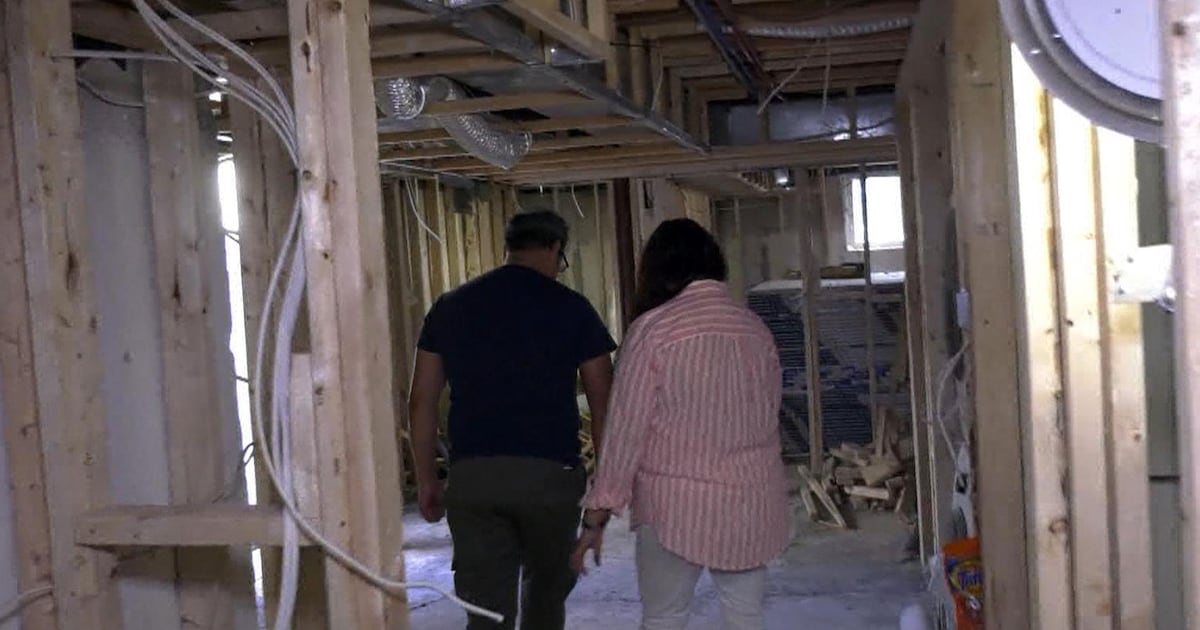
In Mississauga, spouses Gino and Cristabell Carletti encountered an even costlier ordeal. They engaged a business for an $85,000 basement conversion. Workers demolished the existing space, took payment, and never came back to rebuild. The couple now faces an unfinished home and uncertain next steps.
Law enforcement statistics underscore the scale of the problem. Detective David Coffey from Toronto's Financial Crimes division disclosed approximately 150 formal complaints about renovation deception have been filed this year. Yet prosecution remains challenging, as officers must establish deliberate criminal intent rather than mere incompetence.
"There is that blurry, gray line," Coffey noted, explaining the distinction between civil breaches and criminal conduct frustrates many victims seeking justice.
Industry representatives urge preventive measures. The Canadian Home Builders' Association recommends verifying past work, soliciting competing estimates, and insisting on detailed written agreements. Chief executive Kevin Lee stressed staggered payment schedules tied to visible progress, cautioning against advancing funds when no construction activity occurs.
Victims like Johnson and the Carlettis advocate for tighter oversight mechanisms, arguing current safeguards leave ordinary people exposed to substantial monetary losses.
Source: Google News CA — Crime (EN)