Durham Police bust 'criminal tourism' ring: 46 arrests, $2.6M in losses
Durham Region police linked 200+ incidents to an organized network of foreign suspects entering Canada to commit fraud and theft. Forty-six arrested, 1,442 charges laid.
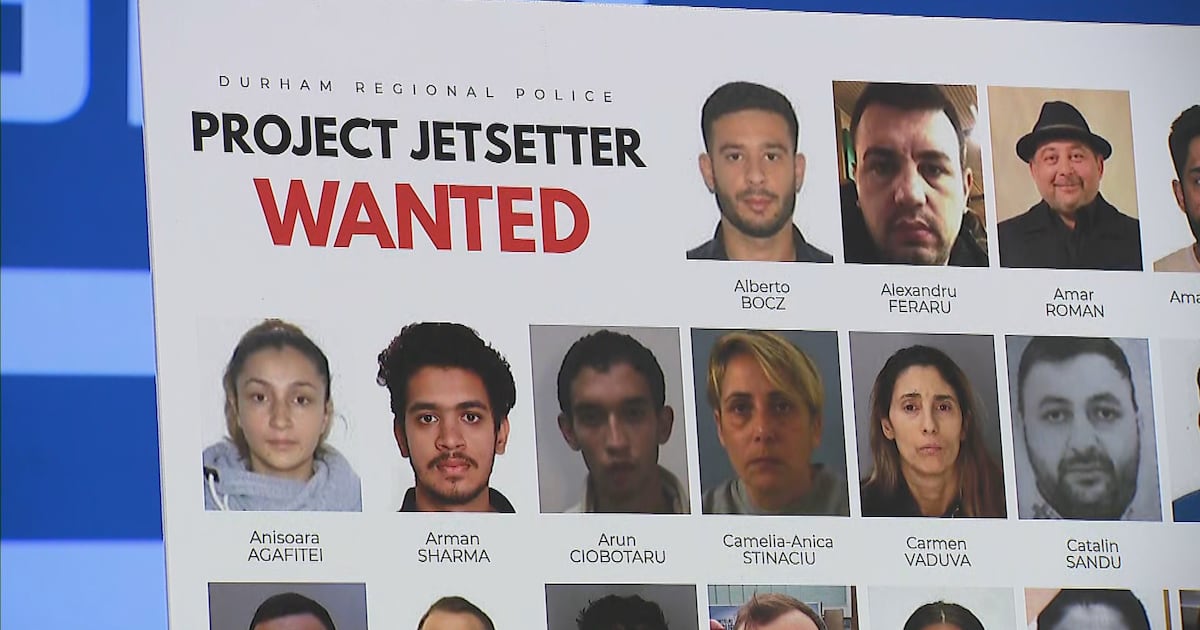
Durham Region police expose cross-border crime network behind over 200 incidents
Durham Region police have identified a structured network of foreign nationals who enter Canada legally and systematically commit financial crimes before leaving the country, cp24.com reports. The findings, unveiled Friday under the name "Project Jetsetter," tie more than 200 incidents to the same organized criminal network, with confirmed losses exceeding $2.6 million.
So far, 46 individuals have been arrested and collectively face 1,442 criminal charges. Police have issued at least 164 arrest warrants for suspects currently sought by authorities.
Suspects from Romania and India identified as majority
Detective Brad Chapman said the majority of identified suspects originate from Romania, with a smaller portion from India. The groups are highly mobile, moving between jurisdictions to commit offences before departing Canada.
"They travel quite frequently from jurisdiction to jurisdiction, they come here, they commit the criminal offences, and a lot of times they leave the country before we can identify who they are," Chapman said. He described "Project Jetsetter" as the culmination of multiple investigations spanning 2019 to 2026.
Vehicle fraud, staged collisions and retail theft among tactics
Chief Peter Moreira said investigators uncovered what he called "concerning patterns" of structured, repeatable, and deliberate criminal activity. Tactics include large-scale retail theft, vehicle and financing fraud, staged collisions, distraction-style thefts, and the illegal export of vehicles and goods.
One recurring scheme is the so-called "dirty oil" scam, on which CTV News has previously reported. Suspects contact private vehicle sellers and deliberately damage the car during a test drive — typically by introducing a substance into the tailpipe — in order to negotiate a sharply lower price.
In January, a couple from Paris, Ont., fell victim to the scam while attempting to sell their 2016 Hyundai Santa Fe for $7,000. Surveillance footage showed a prospective buyer placing a liquid in the tailpipe, causing the engine to smoke. Believing the engine had failed, the couple sold the vehicle for $1,000. In February, Ontario Provincial Police charged three individuals from the Greater Toronto Area following a similar report near Peterborough, Ont. Police have not confirmed whether either incident is connected to "Project Jetsetter."
Additional vehicle fraud involved odometer rollbacks to inflate resale value. Chapman noted that vehicles are "never" registered in a suspect's own name, complicating efforts to trace them. Financing fraud was also employed: suspects used fraudulent identities or documentation to obtain vehicles, which were then transferred to organized crime groups and often exported.
Seniors disproportionately targeted in distraction thefts
Moreira said seniors are being victimized at a disproportionate rate, sometimes without being aware they have been targeted. He described one method in which suspects approach an elderly person asking for directions, then offer a hug or gift — such as a necklace — while swapping the victim's genuine gold jewelry for a counterfeit.
Chapman said distraction-style thefts in the region have risen 268 per cent year-over-year, with many incidents occurring while seniors are gardening on their own property. A separate investigation linked to "Project Jetsetter" identified a group specifically targeting seniors in retail environments.
"These offenders use distraction techniques in retail settings to obtain bank cards and pin numbers, and then rapidly withdrew funds or made fraudulent purchases," Chapman said.
Activity extends across Canada, police warn
Although Durham Region led the investigation, Chapman said the criminal activity is not confined to the area. "We are seeing the same individuals, the same methods, and the same networks operating across the Greater Toronto Area and across Canada," he said. The groups are mobile and, in many cases, linked to a broader organized crime structure.
Moreira warned that the network is "adaptive" and will likely adjust its methods in response to what investigators revealed through "Project Jetsetter." He called for greater collaboration between provincial and federal policing agencies, particularly ahead of the FIFA World Cup and the summer months.
"It's critical that we continue to modernize and innovate, so that we can identify emerging trends and methods used by organized criminals," Moreira said.
Source: Google News CA — Crime (EN)