Canadian Experts Challenge U.S. Claims of Rising Fentanyl Flows Across Northern Border
Canadian officials and academic researchers dispute Washington's assertion that cartel pressure is redirecting fentanyl trafficking toward Canada, citing seizure statistics and separate North American supply networks.
Canadian Experts Challenge U.S. Claims of Rising Fentanyl Flows Across Northern Border
A senior American homeland security official has suggested that crackdowns along the southern frontier are forcing drug cartels to reroute fentanyl shipments through Canada. Markwayne Mullin, who heads the U.S. Department of Homeland Security, told reporters last week that authorities had confiscated sufficient quantities at the northern boundary to fatally dose 17 million people.
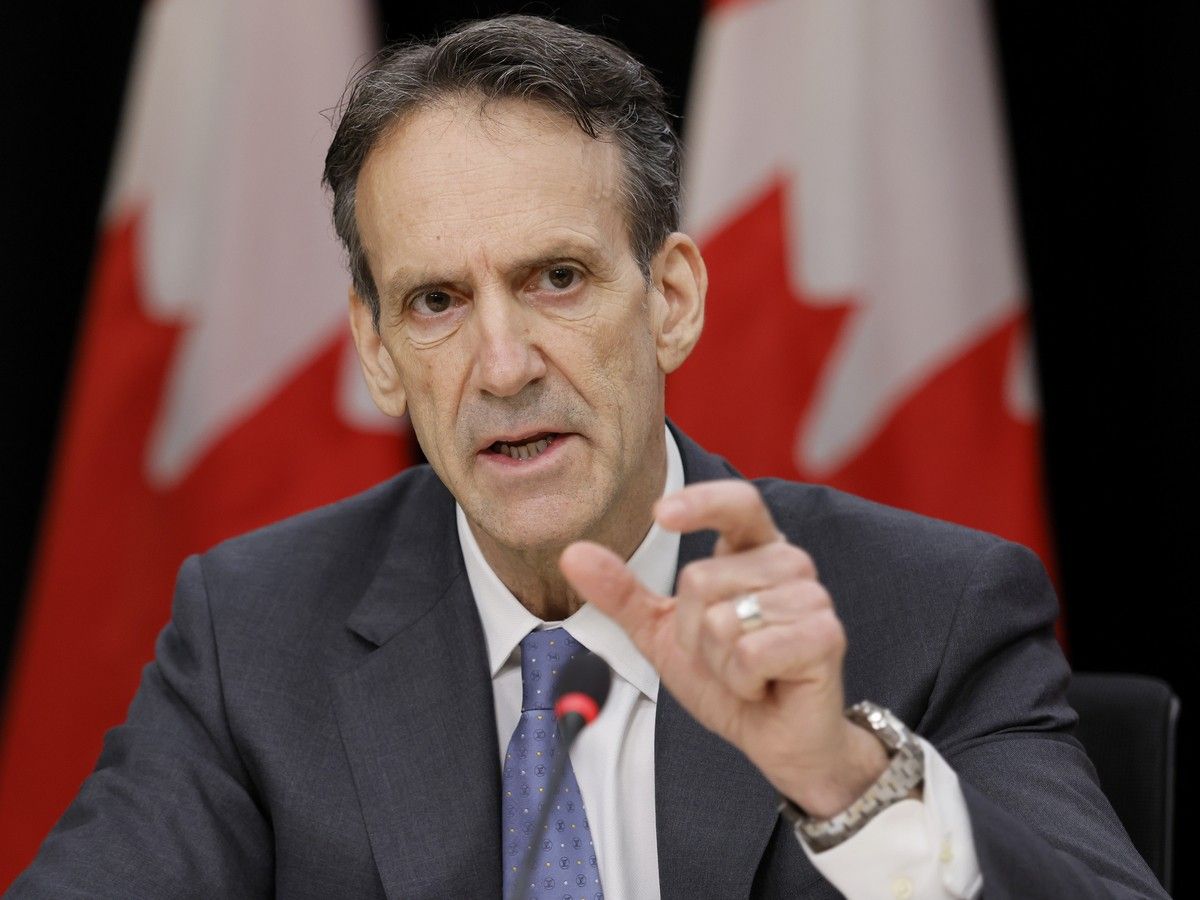
Ottawa's appointed fentanyl coordinator rejected that assessment. Kevin Brosseau pointed to official American customs figures: approximately 3 kilograms intercepted at the Canada-U.S. line since October 2025, versus over 3,000 kilograms at the Mexican border. In his view, the numbers do not support the narrative of a significant northward diversion.
Several independent specialists share that doubt. Mark Tyndall, a public health scientist at the University of British Columbia, called the notion impractical. Rerouting synthetic opioids through Canadian territory before smuggling them south again would add unnecessary logistical complications, he argued.
Jonathan Caulkins, who studies drug policy at Carnegie Mellon University in Pittsburgh, characterized cross-border movement between the two northern neighbors as negligible when set against the massive volumes entering from Mexico. He further noted that once precursor chemicals depart China, the production networks serving Canadian consumers and those supplying American users largely diverge.
According to Caulkins, the synthetic opioids causing fatalities in Canada are primarily manufactured domestically using chemical precursors imported from China. By contrast, substances flooding the American market are chiefly produced in Mexico. The two distribution systems, he explained, function autonomously after the initial raw materials leave their country of origin.
Both jurisdictions have recorded steep reductions in fatal overdoses since the final months of 2023. Canadian public health authorities logged 7,146 deaths linked to opioid toxicity during 2024, representing a 17 percent decrease from the prior year. Preliminary figures for 2025 show the toll dropping further to 5,630. South of the border, the Centers for Disease Control and Prevention documented a decline from 74,702 synthetic-opioid fatalities in 2023 to 48,422 the following year.
What explains the synchronized downturn remains unclear. Benedikt Fischer, a researcher at Simon Fraser University in Burnaby, suspects alterations in the composition and potency of street fentanyl may be the principal cause on the Canadian side. Regina LaBelle, who teaches addiction policy at Georgetown University, referenced a recent study in the journal Science suggesting that regulatory changes enacted by Beijing in 2023 disrupted access to precursor chemicals, delivering a supply shock to global markets.
LaBelle also warned against framing the crisis as purely an enforcement matter. She described military operations targeting smuggling vessels as symbolic gestures with little practical impact, emphasizing that the trade is driven by sophisticated transnational criminal enterprises rather than simple border vulnerabilities.
Source: National Post
Source: National Post Crime