Bread cartel: 149 fraud reports linked to $42.50 compensation payments
The distribution of bread cartel compensation payments is accompanied by a wave of phishing attempts. Canada's Anti-Fraud Centre has received 149 reports since March.
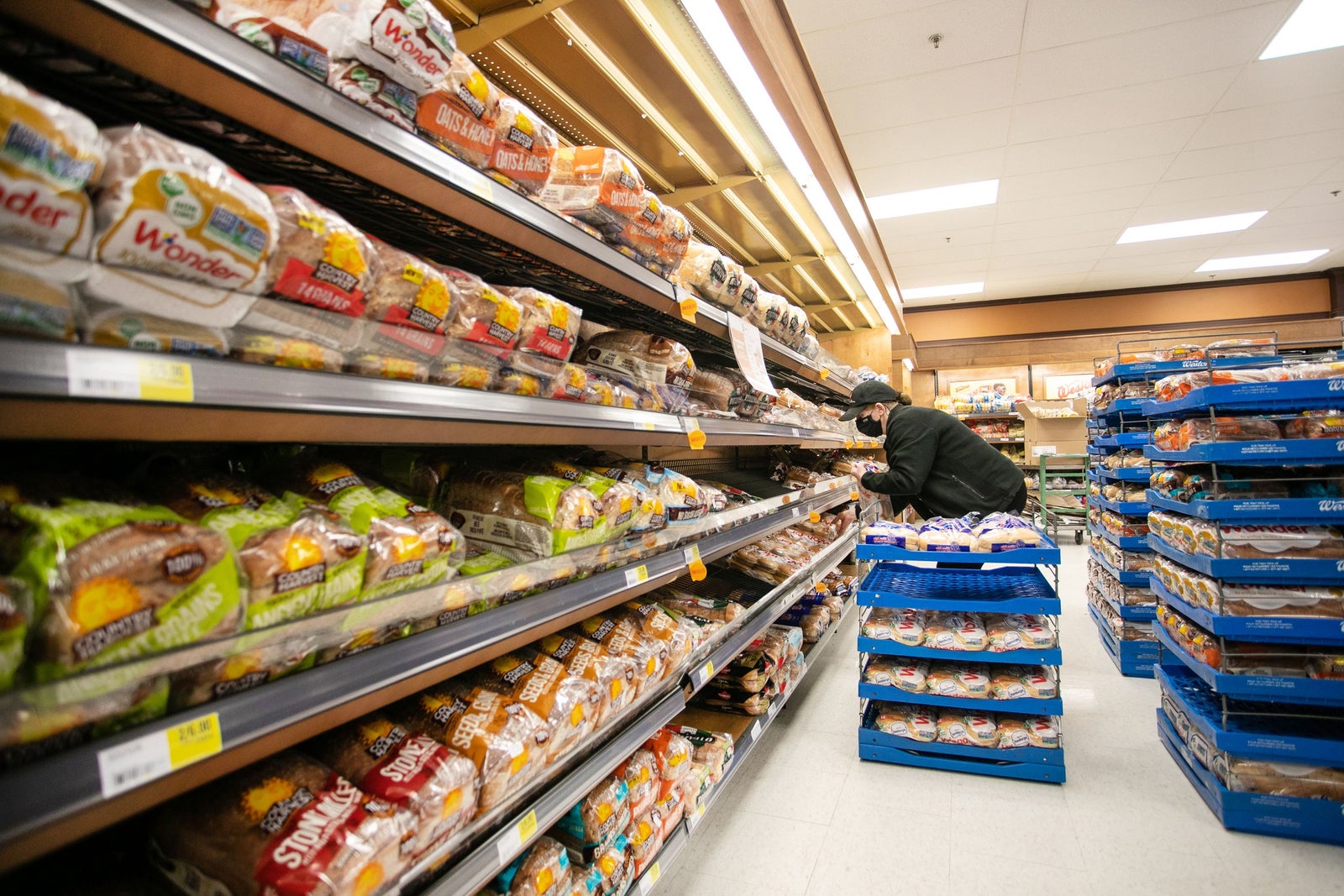
Bread cartel payments: caution in the face of phishing attempts
The distribution of compensation linked to the class action lawsuit over bread price-fixing began on Monday — and with it, a wave of fraud attempts. According to ledevoir.com, Canada's Anti-Fraud Centre (CAFC) had received 149 reports of phishing or fraudulent electronic transfers as of Wednesday since March.
The CAFC also reminds the public that "only 5 to 10 per cent of victims report fraud," a rate that is probably even lower in phishing cases specifically. Since Monday, however, no new reports have been recorded by the organisation.
Two amounts depending on claimant profile
The majority of people whose claims have been approved — claims had to be submitted before 12 December 2025 — will receive compensation of $42.50. Those who had received a $25 Loblaw gift card in 2018, as part of compensation granted by the company which had admitted its participation in the "bread cartel," will receive $17.50.
Interac transfers in fraudsters' sights
At the time of registration, claimants had to choose between a cheque or an Interac transfer. Cheques will be sent directly to mailboxes. It is the electronic transfer option that requires the greatest vigilance.
In Quebec, information to receive payment by Interac will be transmitted by email by the company Concilia, from the address [email protected]. Concilia specifies that it "will never contact claimants by SMS" and invites anyone receiving a message requesting personal or banking information to consider it suspicious.
Any text message related to the class action must be ignored. The CAFC confirms that phishing attempts have specifically travelled through this channel.
The "bread cartel" in brief
The term "bread cartel" refers to two major bakery wholesalers — Canada Bread and George Weston — as well as several grocery stores and retailers, including Loblaw, Walmart Canada, Sobeys, Metro and Tigre Géant. These actors maintained a price-fixing agreement on packaged bread for more than a decade, starting in 2001, allowing certain prices to rise by approximately 7 cents on average.
It was executives from Loblaw and George Weston who contacted the Competition Bureau after becoming aware of the alleged agreement involving the entire industry. Legal documents revealing the scheme were made public in 2015.
The agreement worked as follows: Canada Bread and George Weston met with retailers, who agreed to participate in the price increase on condition that their competitors did the same.
500 million distributed this week
Ten years after the first revelations, George Weston and Loblaw agreed to pay 500 million dollars to end the class actions. This sum is finally being distributed this week, in Quebec as in other provinces and territories of Canada.
Source: Google News CA — Québec (FR)