Child drug mules as young as seven caught up in Ireland's cocaine trade
Children as young as seven are being groomed as drug mules in Irish towns and cities, RTÉ News reports. Undercover footage shows minors openly dealing in Dublin.
Minors as young as seven recruited as drug mules in Ireland's cities
Children as young as seven years old are being groomed to transport and sell illegal drugs on the streets of Irish towns and cities, RTÉ News reports, following several weeks of undercover filming by the broadcaster's Prime Time programme.
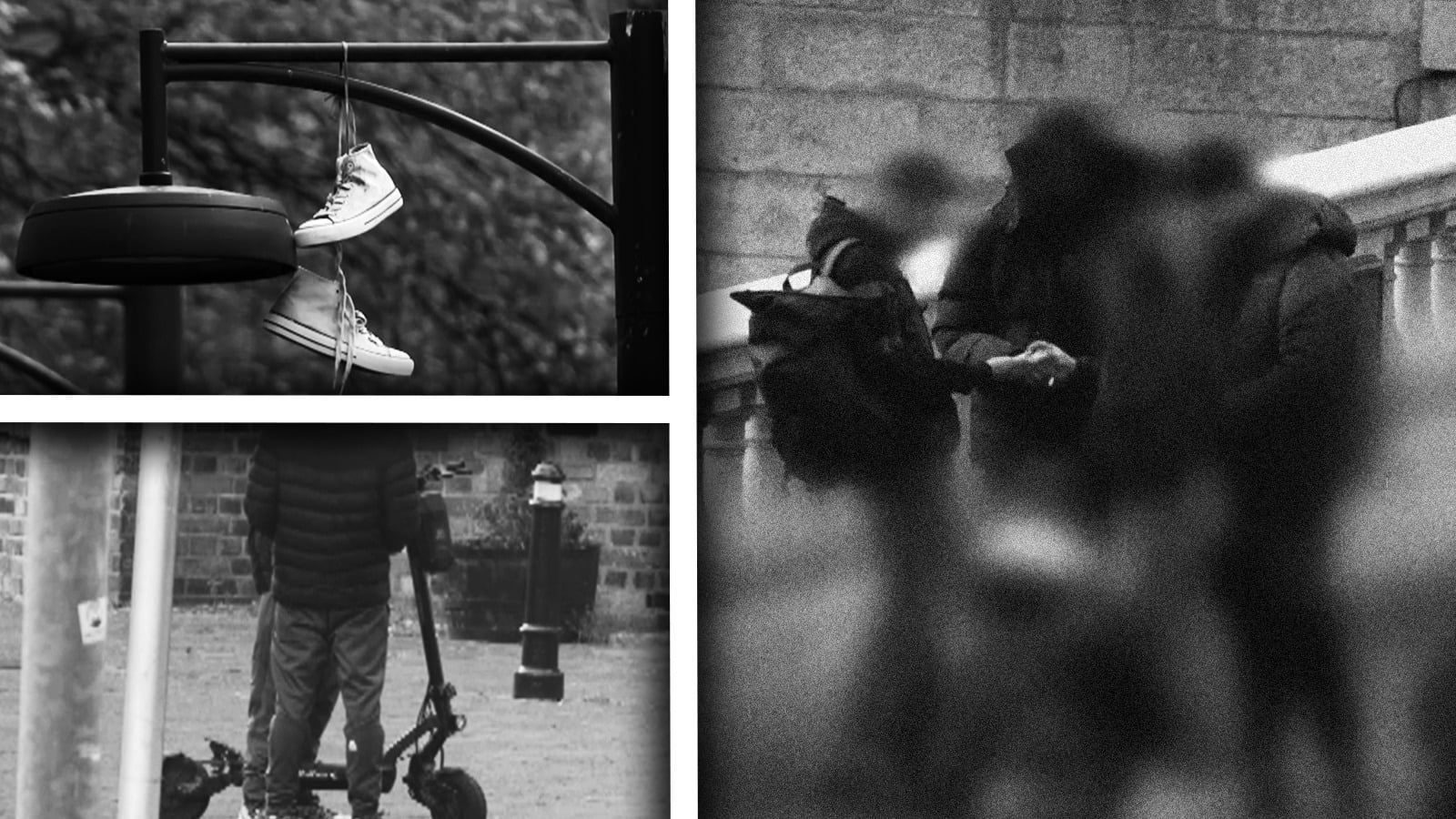
Footage gathered by Prime Time captured minors openly dealing drugs in parts of Dublin, including at O'Connell Bridge. On weekday afternoons, a group of teenagers was observed arriving by e-scooter at a corner in the inner city, where they sold drugs to passing buyers. Lookouts, described as "spotters", alerted the group whenever gardaí came into view on patrol.
"It's very troubling, particularly the age of them, because many of these young people are being groomed into serious criminality," said criminologist and community activist Trina O'Connor, who viewed the footage collected during the investigation.
Workers who support drug users and affected communities told Prime Time the problem is nationwide, with Dublin representing a particular concentration of the activity.
Children carrying kilograms of cocaine to school
A young man identified only as Jonathan, now in his late teens, described his own experience as a child drug mule and dealer over several years. He told Prime Time that children carrying drugs are effectively invisible to adults.
"When you see a child with a backpack at 9am, you would assume the child is in a uniform walking down the road to school," Jonathan said. "Instead, that child has two kilogrammes of cocaine in their backpack, and they're on the way to deliver it. No one will ever look at a child as a drug dealer or as a courier."
He described children as young as seven or eight — in third or fourth class in primary school — being sent out carrying bags filled with drugs, scales and other paraphernalia.
Paula Butterly, a Fine Gael TD for Louth, said school staff in the Drogheda area have raised the issue with her directly. "As a result of visiting schools, I've been made aware of the fact that children as young as seven are involved in drug muling, bringing drugs in their school bags as far as the school gates," she said. "And then at an older age, from nine and ten years old, being actually brought in to sell drugs."
Butterly described the targeting of children from vulnerable families as "hugely concerning".
Money as the primary lure
Jonathan grew up in a household where drug use was common. He said it was not the drugs themselves that drew him in, but the prospect of money.
"The drug that was used in my household most commonly was weed. Weed became tablets, became cocaine," he said. "Growing up looking at my mam taking drugs and seeing her go off the rails sometimes, it sort of made me steer clear of that. But the money aspect of it was enticing."
He described calculating the potential earnings from dealing. "I'd be looking at this drug, and I'd be saying to myself, 'I could make an awful lot of money off this. I could have a new bike, new clothes.' A couple hundred euro at that age, you feel like you're a millionaire."
Michael Guerin, an addiction counsellor based in Limerick with 20 years of experience, said the pattern is concentrated among young people from areas of socio-economic disadvantage. "It's almost a rite of passage, because it's an opportunity for 14 and 15-year-old young men to make money that they otherwise wouldn't have," he said.
A structured progression into the trade
Jonathan explained that recruitment typically begins with simple deliveries. A child is handed a bag and asked to drop it to a house or a car, earning between €100 and €150 per task.
"You would start off couriering, and you get trust. People would start to see your face and you know you're not stealing things. You build a name for yourself," he said.
From there, children can be brought into residential properties — including houses in suburban areas, Airbnb rentals and hotel rooms — to help weigh, cut and package drugs into individual deals. Jonathan said such locations are deliberately chosen to avoid suspicion. "No one's going to assume that that house is the one they're going to be using to chop up Class A drugs," he said.
After preparation, minors are then deployed onto the streets to sell directly to users.
E-scooters reshaping street dealing
Guerin told Prime Time that cocaine is typically sold for between €50 and €100 per gram, depending on quality. Crack cocaine sells for between €30 and €50 per rock, while counterfeit benzodiazepines go for around €30 per card. He noted that young people on e-scooters tend to deal primarily in crack cocaine and counterfeit benzodiazepines rather than powder cocaine.
The e-scooter has significantly changed how drugs are distributed, Guerin said. "They can travel at 60 kilometres an hour. That gives the person distributing the drugs a distinct advantage against the gardaí's conventional means of pursuit." Dealers also travel in small groups, with only one person in the group carrying drugs, allowing them to split up if pursued.
Garda response
An Garda Síochána told Prime Time it introduced a high-visibility policing plan in Dublin city centre in March 2025. Data from the plan up to March 2026 shows an average of 18 arrests per day in the area covered.
Source: RTÉ News