Ireland's 12-year parole threshold vs Northern Ireland's 31-year murder tariff explained
Stephen McCullagh received a 31-year minimum term for Natalie McNally's murder in Belfast. Ireland's system sets a far lower 12-year threshold before parole eligibility.
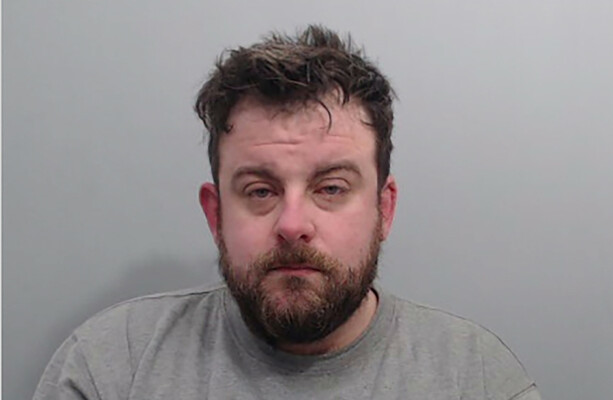
Ireland's minimum life sentence rules contrast sharply with Northern Ireland's tariff system
Stephen McCullagh was handed a life sentence for the murder of Natalie McNally at Belfast Crown Court on Wednesday, with Mr Justice Kinney setting a minimum tariff of 31 years before McCullagh can be considered for release by the Parole Commissioners. The case has drawn attention to a significant difference in how life sentences operate north and south of the Irish border, as TheJournal.ie reports.
In the Republic of Ireland, a prisoner serving a life sentence becomes eligible for parole consideration after a minimum of just 12 years in custody — far below the 31-year term imposed on McCullagh. That threshold does not mean release at 12 years, but it does mean the Parole Board must begin considering the case from that point.
McNally was killed in her home in Lurgan a week before Christmas in 2022.
How Ireland's parole system works in practice
Thomas O'Malley, Senior Counsel, member of the Inner Bar of Ireland and author of works on sentencing law, explained the distinction to TheJournal.ie.
"The answer is that here in Ireland, the mandatory sentence for murder is life imprisonment," O'Malley said. "A person given that sentence will not typically spend their entire life in prison. A life prisoner becomes eligible to be considered for parole after serving 12 years in custody."
In practice, however, O'Malley noted that release at that early stage is uncommon. "They are unlikely to be released at that point — the entitlement is merely to be considered. Most lifers will have served about 20 years before being conditionally released. They may be recalled to prison if they breach a term of their release."
Prisoners serving lengthy sentences are typically reviewed on several occasions over a number of years before the Board recommends any substantial concessions.
The Northern Ireland and England and Wales model
O'Malley outlined how the approach differs across the jurisdictions. In England, Wales and Northern Ireland, murder also carries a mandatory life sentence, but trial judges are additionally required to specify a minimum term the offender must serve before becoming eligible for parole consideration.
"The starting points for this purpose range from 15 years to 30 years, though a whole life order is also possible," he said. The 31-year tariff imposed on McCullagh sits at the upper end of that range.
Ireland currently has no equivalent mechanism requiring judges to set such a minimum term at the point of sentencing.
Proposed reform stalled in Oireachtas
Movement toward a comparable system in the Republic has been under discussion for over a decade. O'Malley traced the current reform effort back to a 2013 Law Reform Commission report on Mandatory Sentencing, in which a majority of commissioners favoured retaining the mandatory life sentence for murder while allowing trial judges to recommend a minimum period before parole eligibility.
Acting on that recommendation, the Government published the general scheme of a Life Sentences Bill in 2024. If enacted, the legislation would permit judges to recommend — though not order — the minimum term a person convicted of murder should serve before being considered for conditional release.
The critical distinction is that under the proposed bill, the judge's input would remain a recommendation rather than a binding order. The Parole Board would retain ultimate authority over any release decision.
As of now, the bill has not been enacted. It remains a government proposal and has not passed as Oireachtas legislation. No changes to sentencing rules can take effect without the relevant legislation clearing both houses.
The length of time actually served by life-sentenced prisoners in Ireland can vary considerably from case to case, depending on review outcomes and individual circumstances assessed by the Parole Board over the course of a sentence.
Source: TheJournal.ie