Maltese journalist murder: Five convicted in Daphne Caruana Galizia killing tied to organised crime
The 2017 assassination of Maltese investigative journalist Daphne Caruana Galizia, who exposed government links to organised crime through the Panama Papers, led to five convictions. The case, known as the 'mafia state' affair, forced Prime Minister Joseph Muscat to resign in 2019 under EU and inter
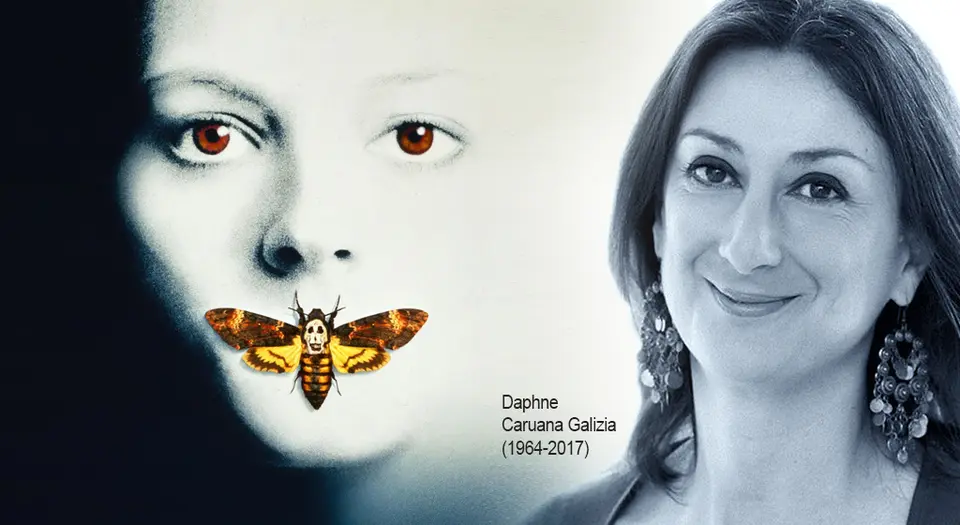
Maltese journalist murder: Five convicted in Daphne Caruana Galizia killing tied to organised crime
The 2017 assassination of Maltese investigative journalist Daphne Caruana Galizia remains a landmark case exposing the deadly intersection of organised crime, political corruption and media freedom in Europe. Galizia was murdered after uncovering major political and financial scandals involving the Maltese government, including the Panama Papers revelations and money laundering operations.
Five individuals have been convicted for their roles in the killing, including the two bombers who carried out the attack. However, the investigation continues as authorities search for additional suspects and the masterminds behind the assassination. The case has become widely known as the "mafia state" affair in Malta.
The fallout from Galizia's murder extended far beyond the criminal convictions. Prime Minister Joseph Muscat resigned in 2019 following sustained pressure from the European Parliament and international outcry over the government's alleged connections to organised crime. The journalist's work had exposed deep ties between the ruling administration and criminal networks.
The article also addresses broader concerns about threats against journalists, including Strategic Lawsuits Against Public Participation (SLAPP). These legal actions are designed to intimidate reporters and media organisations by burdening them with costly litigation, effectively forcing self-censorship. The European Union has attempted to counter such practices, though implementation remains uneven across member states.
A significant ruling from the European Court of Human Rights last year criticised Cypriot judges for violating Article 10 of the European Convention on Human Rights regarding freedom of expression. The court found that judges had wrongly insisted on dictating how journalists should phrase their reporting, undermining press freedom protections.
The piece, published by Philenews, argues that existing laws against defamation and false news are sufficient if properly enforced. Rather than new restrictions on speech, the author contends that police and judicial authorities must do their job investigating corruption exposed by the press, without themselves becoming part of the systems they should be examining.
Source: Philenews