Turks and Caicos records highest murder rate in Caribbean amid gang violence surge
The British Overseas Territory logged 48 homicides last year, giving it the worst per-capita murder rate in Latin America and the Caribbean. Gang violence and illegal migration from Haiti are driving the crisis.
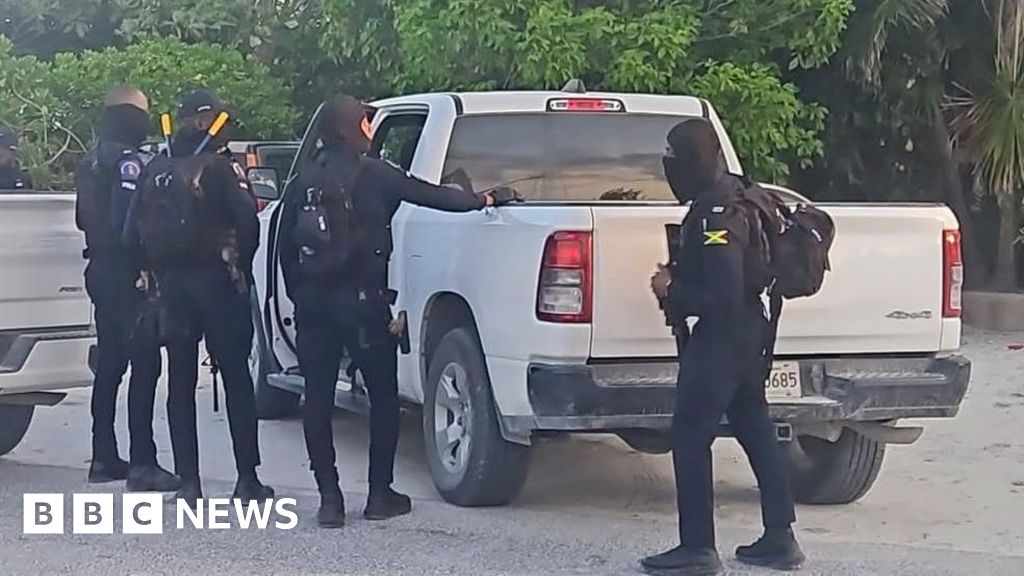
Turks and Caicos gripped by record homicide rate as gang violence escalates
Jacques Phanor no longer sleeps with his windows open.
The church pastor, who lives on the main island of Providenciales, told bbc.com that fear has become a fixture of daily life in the Turks and Caicos Islands. "People are very afraid," he said. "Some are even leaving. We all love the islands, the economy is good, but the crime environment is terrible."
Until a few years ago, the British Overseas Territory was known almost exclusively as a luxury Caribbean destination. Its beaches have repeatedly topped global rankings and attracted some of the world's wealthiest travellers. That reputation is now competing with a far grimmer one.
48 killings in a single year
Last year the archipelago recorded 48 homicides. With a population of fewer than 50,000, that figure gave it the worst murder rate per capita in Latin America and the Caribbean, according to one study cited by bbc.com. By mid-August this year, the territory had already logged 24 killings — including four deaths and nine injuries in the first mass shooting in its history, which took place in July at a local bar.
Premier Washington Misick described that attack as a "gangland-type slaying" and appealed to Haitian community leaders to help "keep these islands safe." He directly attributed much of the violence to migrants from Haiti, which lies roughly 90 miles to the south, and which has been engulfed by gang-led turmoil.
"You know who these violent criminals are, you know how guns are getting into the country," Misick charged.
Haitian migration at the centre of the debate
The question of Haitian migration sits at the heart of Turks and Caicos' crime crisis — and its social tensions. Jacques, who was born in Haiti and moved to the territory 28 years ago before gaining citizenship, acknowledges that most of those killed this year held Haitian nationality. His own family was held at gunpoint last December by a man who had entered the country illegally by boat.
But local reporter Wilkie Arthur pushes back against placing the blame squarely on Haitians. "A lot of gang members have legal status here, and there's also a number of local boys involved," he said. "Blaming it all on Haitians is not a good representation of the truth."
The Haitian Heritage Association has called for a "united front" in addressing the violence while condemning what it described as "hateful narratives" directed at Haitian people by some members of the public.
Legal limbo fuelling gang recruitment
Analysts and community figures point to the territory's citizenship laws as an aggravating factor. Children born in Turks and Caicos cannot easily obtain legal status if neither parent holds it. The result, Jacques says, is a generation of young people of Haitian origin who finish school without valid documents and few legitimate options.
"They have no proper documents so the gangs recruit them, feed them so they become loyal to them, and then the gangs just get bigger," said Wilkie. "Every graduating year, a lot of the kids don't have proper documents. Some are very bright and take their education seriously, but what do they do if they want to eat and survive?"
Jacques describes the territory's closeness to Haiti as "both a blessing and a curse." The islands need migrant labour to sustain their rapid development, he said, but Haiti's instability is spilling across the water. When parents are deported, children are often left behind with friends or church members. "A lot of kids fall through the cracks," he said.
Wilkie speaks from direct experience of life on the margins. An ex-convict who served 11 years for the armed robbery of a jewellery store, he has since his release in 2023 been working to steer young men away from crime. "Many people don't even want to be in gangs, they just can't find work," he said. "We need to empower them so they won't have to rob someone for a couple of dollars."
Curfews, demolitions and deportations
The government has responded with a package of measures. Temporary curfews have been imposed, alcohol licensing controls tightened, and police have been granted expanded search powers. Deportation operations have intensified, with Jacques describing officers picking up Haitian migrants "on every corner, every street, on the road, at workplaces."
In August, authorities bulldozed more than 220 informal homes in settlements that police said were harbouring criminals.
Tourism — the foundation of the economy — has not yet shown signs of being dented. Nearly two million visitors arrived in 2024, a record, and the sector brought in $250 million (£186 million) during the first half of the 2024–2025 financial year. Officials estimate tourism accounts for at least two-thirds of economic activity. But fears persist that sustained violence could ultimately put that at risk.
A regional pattern
Turks and Caicos is not an isolated case. A 2024 United Nations report documented an "intensification of organised crime and lethal violence" across the Caribbean. The report identified surging drug production in South America — much of it transiting through the Caribbean en route to the United States and Europe — and widespread firearm availability as key drivers of rising homicide rates. Jamaica, St Lucia and Trinidad were named as particular areas of concern.
The same report noted, however, that only a small fraction of the Caribbean's hundreds of gangs were actively involved in cross-border drug and weapons trafficking. Most, it concluded, remained locally focused — protecting territory rather than running regional operations.
Source: Google News KN — Crime