Trinidad and Tobago records lowest murder toll in a decade: 369 killings in 2025
Trinidad and Tobago registered 369 murders in 2025, a 42% drop from 2024's 626 — the lowest figure since 2014. PM Persad-Bissessar and the TTPS hailed the milestone.
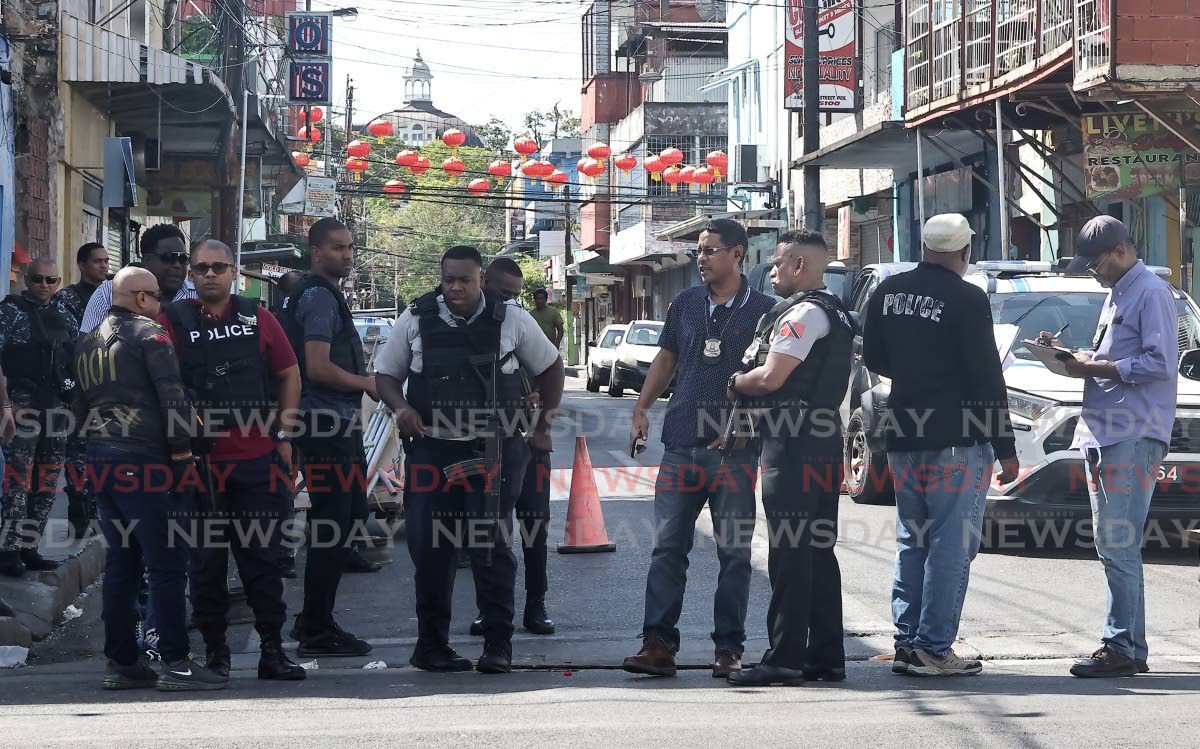
Trinidad and Tobago murder toll drops 42% to lowest level since 2014
Trinidad and Tobago recorded 369 murders for the year ending December 31, 2025 — a 42 per cent decline compared to the 626 lives lost to violent crime in 2024, and the lowest annual murder figure the twin-island nation has seen since 2014, newsday.co.tt reports.
Data from international statistics platform Statista indicates the second-lowest toll since 2014 was registered in 2020, when 393 murders were recorded — a year marked by national lockdowns and states of emergency linked to the covid19 pandemic, meaning 2025 surpasses even that figure by 24 fewer killings.
PM and Commissioner credit focused police strategy
Prime Minister Kamla Persad-Bissessar marked the milestone in a post on X on December 31, commending Commissioner of Police Allister Guevarro and the Trinidad and Tobago Police Service (TTPS).
"I promised that my government would act decisively to reduce crime, and we have delivered on that commitment," she wrote. "Our national murder rate will be down by 42 per cent — the largest decline in our nation's history and one of the most significant drops globally this year."
At the Commissioner of Police's end-of-year award and commendation ceremony at the Police Administration Building in Port of Spain on December 31, Guevarro commended officers for what he described as a year of demonstrated character.
"Whether through tactical precision, investigative brilliance, community engagement, or quiet diligence behind the scenes, you have each contributed to the safety, stability, and integrity of Trinidad and Tobago," he said.
Serious and violent crime also down
Murders were not the only category to show significant declines. According to a TTPS media release issued on December 31, serious reported crimes fell by eight per cent, violent crimes by 15 per cent, larceny of motor vehicles by 21 per cent and fatal road traffic accidents by 22 per cent.
Detection rates also improved. The murder detection rate rose from 15 per cent to 20 per cent, while the detection rate for national serious reported crimes climbed from 29 per cent to 36 per cent. Police also seized 673 illegal firearms and more than three tonnes of marijuana during the year.
Under state of emergency (SoE) powers — declared on July 18 — the TTPS executed 12,574 operations, targeted 3,723 priority offenders and conducted over 82,000 searches.
Minister of Homeland Security Roger Alexander, in a message shared on his social media pages on January 1, called the data "a clear and encouraging trend toward a safer Trinidad and Tobago."
"Behind every number is a life protected, but we are not complacent. One life lost is still one too many," Alexander said. "As we enter 2026 we do so with momentum, investing in new technology and community programs to keep our borders and streets safer."
Deputy Commissioner: results driven by evidence-based policing
Speaking to newsday.co.tt on January 1, Deputy Commissioner of Police — administration Junior Benjamin attributed the results to deliberate, strategy-led police work rather than to the SoE alone.
"It was a purpose-driven effort by the leadership to carry the police service to a place where it has never been before," Benjamin said. "The results were not something that came by accident but through strategic direction — evidence-based, intelligence-led, technology-driven solutions to crime."
Benjamin acknowledged that the SoE, which is expected to end in January, provided operational advantages — officers could act without waiting for warrants and were able to issue detention orders against individuals identified as sources of criminal activity — but he was clear that those powers complemented existing police work rather than replacing it.
"It was not the fact that people were restrained. It was the hard work of the police given all the other benefits that came with the SoE," he said.
He also pointed to growing public cooperation as a factor in the improved detection rates.
"The more they trust us, the more we are able to get information and capitalise on that," Benjamin said. "We may even see an increase in the detection rate in the next coming year."
Legislation and training to fill the gap after SoE
With the SoE set to conclude, Benjamin said the TTPS is preparing new tools to maintain momentum. Officers are currently being trained to improve customer service and to make use of the Administration of Justice (Indictable Proceedings) Act (AJIPA), which replaces preliminary inquiries with initial hearings and sufficiency hearings, streamlining case processing through the judicial system.
Better training and updated legislation, he said, will allow the service to remain nimble in responding to criminal intelligence once the expanded emergency powers are no longer in effect.
Source: Google News TT — Port of Spain