Trinidad and Tobago declares second state of emergency in two months over gang violence
T&T reimposed a state of emergency Tuesday, citing planned attacks on police and 63 killings already recorded this year. Tourism leaders warn of economic fallout.
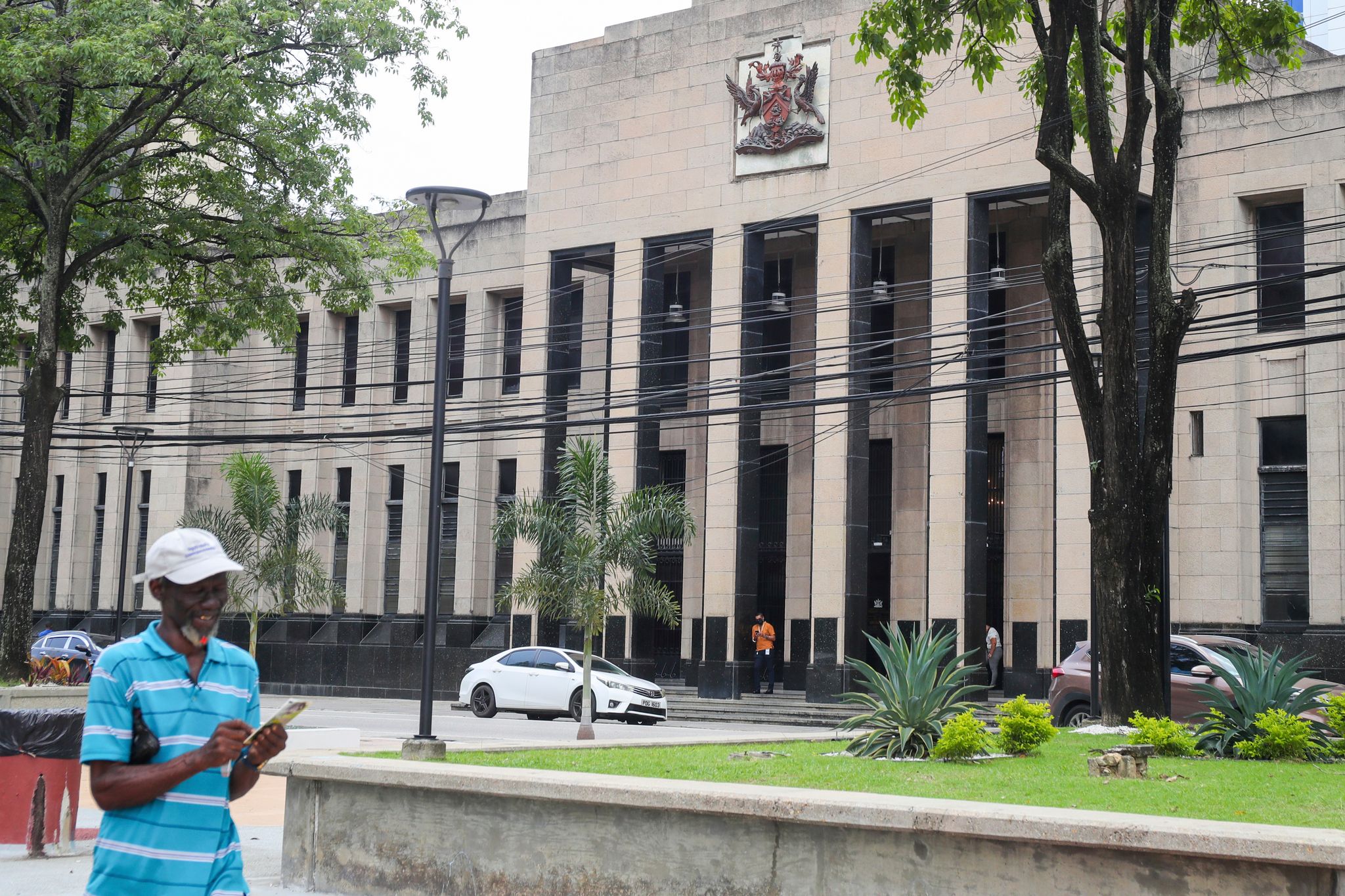
Second state of emergency declared in Trinidad and Tobago amid gang shootings
Trinidad and Tobago has declared a new state of emergency, just weeks after the previous one lapsed, as the government struggles to contain persistent violent crime, newstimes.com reports. The declaration, made on Tuesday, marks the country's second such measure in roughly two months.
Prime Minister Kamla Persad-Bissessar cited credible intelligence of planned attacks against law enforcement officers as the primary justification for reimposing the emergency. The measure grants authorities expanded powers, including the ability to make arrests and conduct searches without warrants.
The twin-island nation has now spent approximately 10 of the last 14 months under a state of emergency, with the most recent one having ended on January 31.
Persad-Bissessar said the National Security Council had noted that ongoing crime had resulted in "multiple deaths due to mass shootings" and warned that continued reprisal shootings between criminal gangs, "if left unchecked, would endanger public safety." The current declaration carries an initial duration of up to 15 days, with the option for government extension. No curfew has been announced.
Trinidad and Tobago has recorded 63 killings so far this year — one fewer than the tally for the same period last year.
The decision has drawn sharp criticism from the tourism sector. Reginald Mac Lean, president of the Tobago Hotel and Tourism Association, said the move "really isn't good for tourism." Mac Lean added that the state of emergency arrives "at a time when we should be capitalising on what is happening in the rest of the world, to encourage people to come to our shores" — a reference to ongoing conflicts in Ukraine and the Middle East that he suggested could otherwise redirect visitors to the Caribbean.
The main opposition has also condemned the measure. Opposition leader Pennelope Beckles accused the government of repeatedly reaching for authoritarian tools rather than addressing root causes. "This government has demonstrated time and again that it prefers authoritarian measures over sound, strategic crime management, and once again, it has chosen to restrict the freedoms of citizens rather than address the systemic problems of crime in Trinidad and Tobago," Beckles said in a statement.
Source: Google News TT — Crime