State of emergency in Trinidad and Tobago: gang violence forces government to act
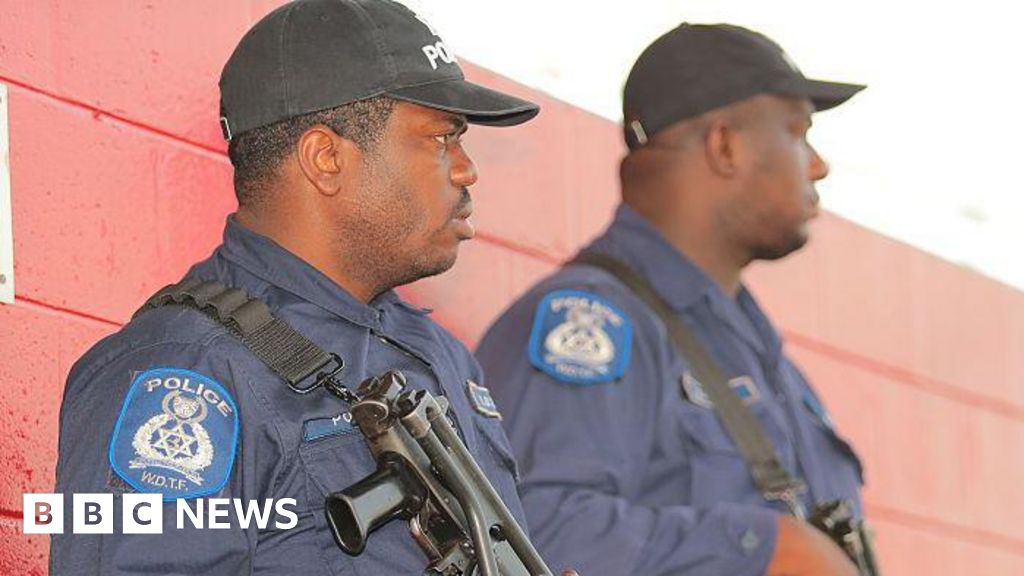
Faced with an unprecedented wave of killings — more than 620 homicides in a single year for a population of 1.5 million — the government of Trinidad and Tobago has declared a state of emergency in an attempt to regain control of the security situation.
State of emergency in Trinidad and Tobago: gang violence forces government to act
The Republic of Trinidad and Tobago has reached a decisive turning point in its fight against organised crime by instituting a state of emergency. The decision, reported by BBC News, comes from President Christine Carla Kangaloo, acting on the advice of Prime Minister Keith Rowley, whose government has been under pressure for several weeks to stem the bloody spiral gripping the country.
A homicide rate among the most alarming in the region
The security situation in this small Caribbean archipelago has become critical. The number of murders recorded since January has exceeded 620, an unprecedented figure for a country with no more than 1.5 million inhabitants. This statistic places Trinidad and Tobago among the most dangerous territories in Latin America and the Caribbean.
Behind these figures lies the reality of organised crime: mafia networks linked to international drug trafficking are responsible for the majority of executions. The U.S. State Department emphasises that the country's geographical position, its porous border with Venezuela and its direct logistical connections to Europe and North America make it a prime corridor for the transportation of illicit drugs.
Bloody Sunday in Laventille
The weekend provided a tragic illustration of this reality: in the impoverished neighbourhood of Laventille, five people lost their lives, shot dead inside a small shop. According to investigators, these murders would constitute an armed response to the killing of a high-ranking gang leader committed the previous day.
New police powers, without a curfew
The state of emergency paves the way for a series of coercive measures: police officers are now authorised to detain any individual suspected of criminal activities, and can access premises — public or private — without prior judicial procedure. The Prime Minister clarified that the objective is to neutralise individuals posing a danger to public order, particularly those who illegally use firearms. In contrast, no restrictions on nighttime movement have been announced.
Carnival and elections in the background
The state of emergency raises questions about the future of Trinidad Carnival, an emblematic event that mobilises tens of thousands of international tourists each year and culminates in a grand parade on the two days preceding Ash Wednesday in early March. Increased security measures could dampen the enthusiasm of revellers.
The political context adds a layer of complexity: general elections must take place before August 2025. Rowley's People's National Movement (PNM), which has led the country for a decade, faces a serious challenge from the United National Congress led by former Prime Minister Kamla Persad-Bissessar.
Source: Google News TT — Crime