UK High Court Freezes $40M in Assets of Nigerian Oil Trader After Debt Evasion
A UK High Court has issued a worldwide freezing order against Alhaji Abdulrahman Musa Bashar and Ultimate Oil and Gas over $40M in unpaid fuel debts. Businessday.ng reports the order locks assets across Nigeria, the UAE, UK, and France.
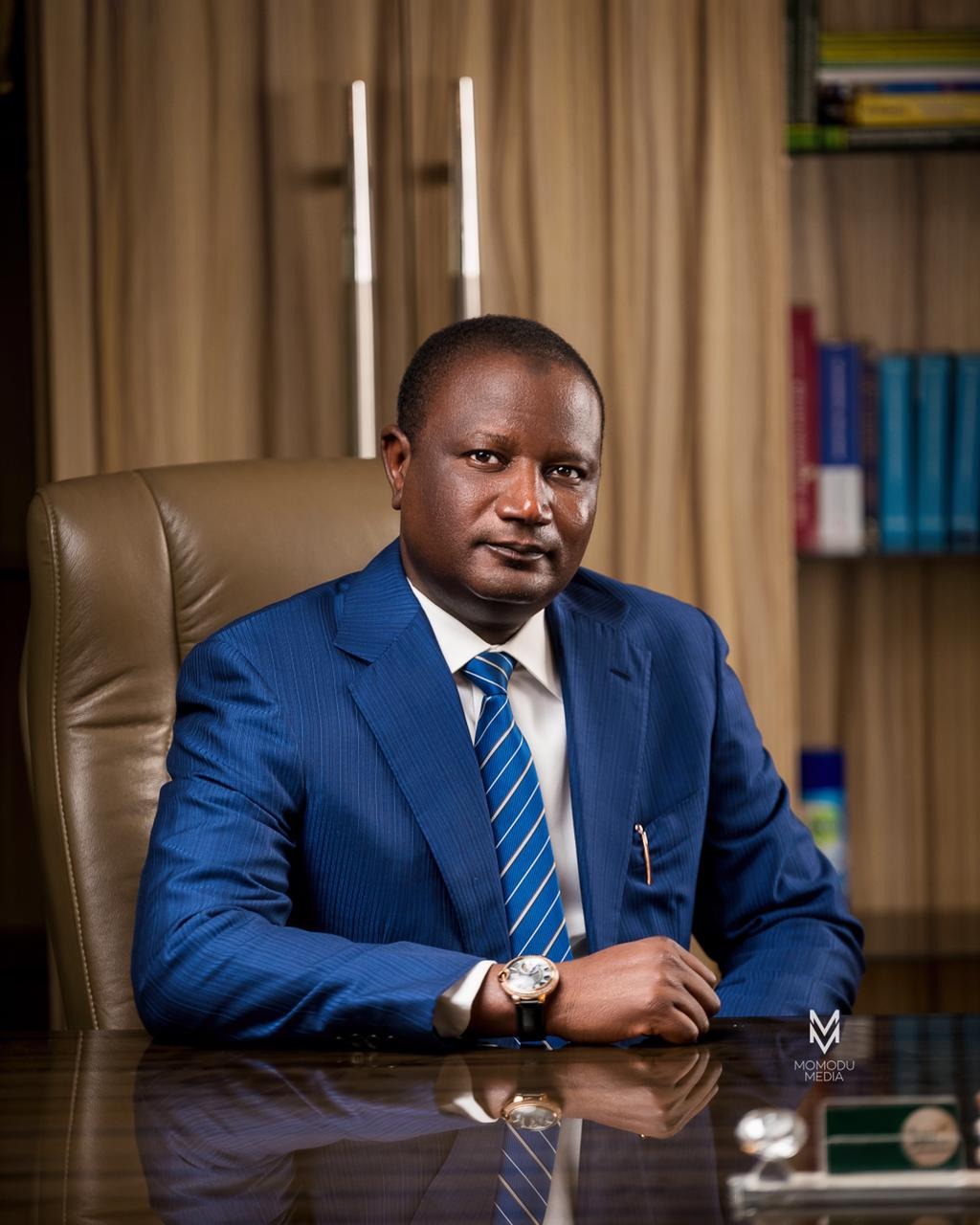
UK Court Locks Down $40 Million Linked to Nigerian Oil Firm's Unpaid Fuel Contracts
A UK High Court issued a worldwide freezing order in March 2026 against Nigerian oil trader Alhaji Abdulrahman Musa Bashar and his company, Ultimate Oil and Gas FZCO, blocking access to approximately $40 million in assets held across Nigeria, the United Arab Emirates, the United Kingdom, and France, businessday.ng reports.
The order prevents Bashar and Ultimate Oil — the trading arm of the Rahamaniyya group of companies — from selling, transferring, or otherwise dealing with any assets globally, covering luxury property, vehicles, and business interests.
Unpaid Fuel Contracts at the Root of the Dispute
The case stems from a series of contracts concluded between 2022 and 2023, under which Dubai-based Petrichor Energy FZCO supplied gasoil and Jet-A1 aviation fuel to Ultimate Oil and Gas. Ultimate Oil received the cargoes but repeatedly failed to make full and timely payment, leaving Petrichor to pursue recovery through simultaneous court and arbitration proceedings.
By the time the March 2026 judgment was delivered, approximately $40 million remained unresolved.
A February 2025 judgment had already found Bashar personally liable for $32.7 million under a personal guarantee and Ultimate Oil and Gas liable for a further $7.5 million. Despite those rulings, neither defendant satisfied the debt.
Reversal of an Earlier Refusal
The March 2026 freezing order represents a significant reversal. In November 2024, the court had declined an earlier application for a worldwide freeze, finding that payment default and dishonoured cheques alone — however serious — did not automatically demonstrate a risk of asset dissipation sufficient to justify such a remedy.
What changed between the two decisions was Bashar's own conduct.
The court found that the totality of the evidence — real property sales without applying proceeds to the debt, repeated failures under structured payment agreements, prior contempt convictions, undisclosed holdings exceeding $41 million, and direct threats to hide assets — created sufficient risk of dissipation to warrant the extraordinary order.
Property Sales and Hidden Assets
Following the February 2025 judgment, Bashar sold UAE properties worth $3.8 million without directing any of the proceeds toward the outstanding debt. The court noted the timing of those sales: they occurred close to the judgment date and during ongoing payment negotiations, which the judge treated as evidence of deliberate asset dissipation rather than ordinary commercial activity.
Bashar's initial August 2024 asset disclosure listed approximately $170 million in holdings while he simultaneously claimed an inability to pay — a contradiction the court found significant. That disclosure also failed to include a Nigerian property valued at $21.3 million, bringing undisclosed assets to more than $41 million.
A Phone Call That Clinched the Order
The pivotal moment in the case came on 15 March 2026, when Bashar called Petrichor's managing director and demanded acceptance of a revised payment proposal. When the managing director pushed for a substantial payment in March rather than further deferrals, Bashar responded that he would "default on payment obligations" and begin to "dispose of assets" to make any pursuit of him impossible.
The court treated that statement as direct evidence of intent to frustrate enforcement — the clearest indication yet that Bashar could not be trusted to honour payment obligations or court-supervised structures voluntarily.
Structured Payment Plan Also Failed
In April 2025, the parties had entered a fresh payment agreement based on structured instalments. By January 2026, Ultimate Oil and Gas should have paid ten instalments totalling 45.7 million dirhams. It had paid only 8.7 million, leaving a shortfall of 37 million dirhams. Bashar was granted three separate grace periods to cure defaults and exhausted all three without achieving full compliance.
The court cited this pattern as further evidence of systemic evasion rather than isolated financial difficulty.
Fuel Cargo Blocking Recovery
Adding a further complication to Petrichor's recovery efforts, the original fuel cargo — gasoil and Jet-A1 — remains held in storage tanks at the Rahamaniyya Depot in Lagos and the Koko Depot in Nigeria. At spot market prices, the value of those products could go a considerable way toward satisfying the judgment debt. However, Bashar's entities have denied Petrichor any right to resell or access the cargo, effectively preventing the creditor from using the one physical asset most directly linked to the original transaction.
Prior Contempt History
Bashar is not unfamiliar with English courts. In 2020, an England and Wales High Court judge sentenced him to ten months in prison for contempt — a history the court took into account when assessing the credibility of his compliance with any future obligations.
The judgment consolidates proceedings that have spanned arbitration in Dubai, civil litigation in London, and criminal proceedings in the UAE, reflecting the multi-jurisdictional complexity that has characterised the dispute from the outset.
Source: Google News UAE — Dubai