Met officer Martyn Blake faces no misconduct hearing after Chris Kaba shooting
Firearms officer Martyn Blake, acquitted of murdering Chris Kaba in 2022, is set to avoid misconduct proceedings after Home Office rule changes. The Kaba family have three weeks to challenge the decision.
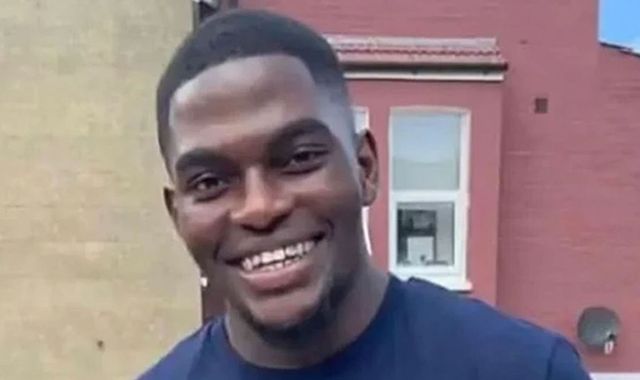
Met officer cleared of Kaba murder set to escape misconduct hearing under new rules
Firearms officer Martyn Blake, who fatally shot 24-year-old Chris Kaba in Streatham, south London, in 2022, is unlikely to face a gross misconduct hearing, radioroyal.org reports. The Independent Office for Police Conduct (IOPC) confirmed it is dropping disciplinary proceedings against Blake — also identified in proceedings as NX121 — following changes to Home Office regulations governing such hearings.
The Kaba family have been given three weeks to challenge the decision.
Blake was acquitted of murder by a jury at the Old Bailey. The IOPC had initially indicated he would face a gross misconduct hearing, but the watchdog now says new rules require it to apply a lower burden of proof — bringing misconduct hearings into line with the standard used in criminal courts.
The legal shift at the centre of the dispute
The core change concerns the defence of "honestly held belief". In criminal proceedings, a defendant who killed or harmed someone while genuinely believing there was a threat to life can rely on that belief as a defence — a position Blake used successfully at trial.
For police misconduct hearings, however, a higher standard had applied for several years: an officer's belief also had to be "reasonable", not merely honestly held. That requirement stemmed from a Supreme Court judgment in July 2023, in which judges ruled that the civil test — including reasonableness — was the correct standard for gross misconduct cases. The court concluded that disciplinary processes were partly concerned with examining "the reasonableness of mistakes", adding that "citizens should not feel that unreasonable mistakes by the police are left unchecked".
The Home Office has now moved to align both processes, arguing that officers operating under extreme pressure should be permitted to make "genuine mistakes" without facing separate disciplinary jeopardy after being acquitted in a criminal court.
IOPC director of strategy and police Andrew Johnson said the watchdog had "carefully considered the law change and its stated intent to address the perceived unfairness and lack of proportionality of the civil law test". Johnson added: "We believe this position provides consistency across impacted cases and it is fair to officers who are facing potential dismissal for misconduct, which if it occurred now, would not amount to misconduct under the law."
Relief for officers, frustration for campaigners
The development has been welcomed by firearms-carrying police officers, who have argued that the previous framework exposed them to years of legal uncertainty simply for acting in the line of duty. Metropolitan Police Commissioner Sir Mark Rowley has described the length of such proceedings as "inhumane", noting that Blake's case has remained unresolved for nearly four years and that another firearms officer's case took a decade to conclude.
Officers in the Met's firearms unit, MO19, have told Sky News — which spent several months embedded with the unit for a documentary titled Firing Point, due to air later this year — that their primary concern is the risk of imprisonment for decisions made in split seconds. They have also raised fears that being named during a trial allows criminal associates of those they have shot to identify and target them and their families. Legislation on officer identification is also being amended, so that names would only be made public upon conviction.
Campaigners take a sharply different view. Temi Mwale, who represents the Kaba family, told Sky News: "We already have very little accountability, and they are going to make it so we have close to no chance of ever holding any officer accountable for any action ever again. If, for example, there are just a few bad apples, which they love to tell us, surely you would want to have very robust processes to get those people out." Critics of the honestly held belief standard have described it as a "get off free card".
The circumstances of the shooting
Blake shot Kaba in Streatham on 5 September 2022 after Kaba used his car to ram his way through a police stop. Kaba, who was 24 and whose partner was pregnant at the time, was unarmed. The case prompted significant public debate about the use of lethal force by police and the adequacy of existing accountability mechanisms.
Process questions remain
Beyond the specifics of the Blake case, there is broad acknowledgement that the multiple parallel processes — inquests, criminal trials, and gross misconduct hearings — take too long and leave officers and victims' families in prolonged uncertainty.
Rowley and the commissioner's office have pushed for reform on those grounds. The IOPC's decision to drop the case against Blake is expected to be contested by the Kaba family within the three-week window they have been given.
Source: Sky News