Ruth Ellis granted posthumous royal pardon 70 years after UK's last female execution
King Charles has granted a conditional posthumous pardon to Ruth Ellis, hanged in 1955. Her family says she was a victim of sustained domestic abuse by the man she shot dead.
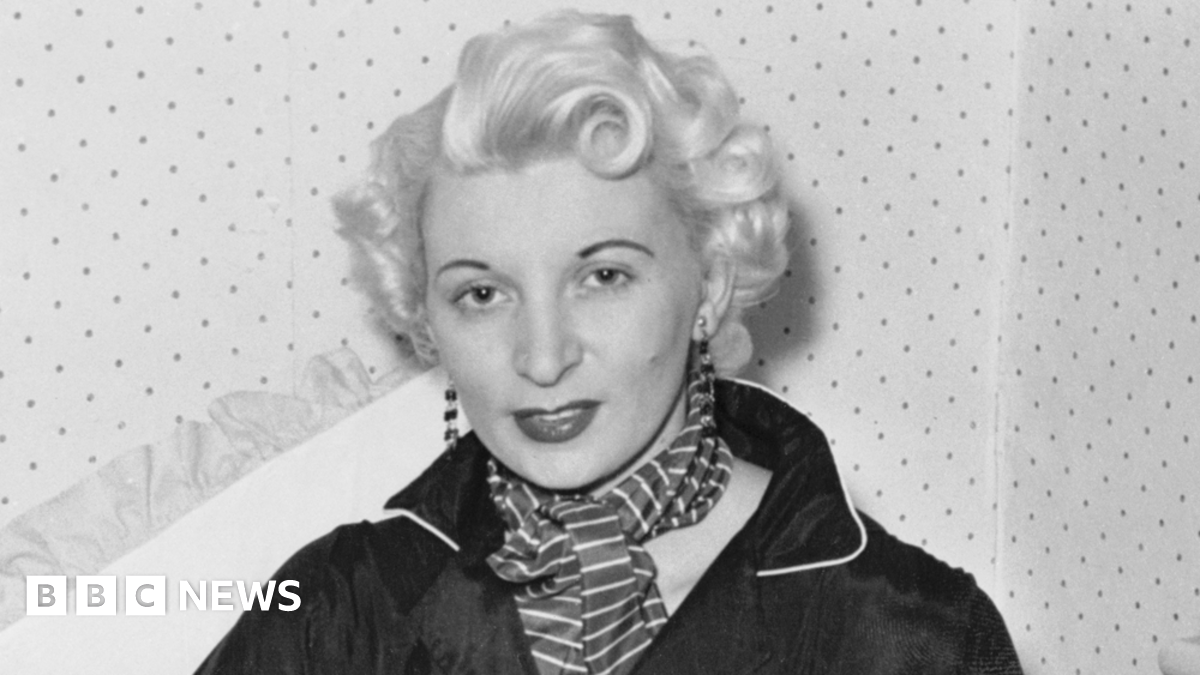
Royal pardon for Ruth Ellis, hanged at Holloway Prison in 1955
Ruth Ellis, the last woman to be executed in the United Kingdom, has received a conditional posthumous pardon granted by King Charles, BBC News reports. Deputy Prime Minister David Lammy announced the decision to MPs in the House of Commons on Wednesday.
Ellis was hanged at Holloway Prison in London on 13 July 1955, having been convicted of murdering her lover, racing driver David Blakely. She shot him outside The Magdala pub in Hampstead following what her family describes as a prolonged pattern of physical and emotional abuse.
Lammy told the Commons: "While the pardon does not claim she was innocent of killing David Blakely, it replaces the death penalty with a sentence of life imprisonment to recognise a profound injustice in this exceptional case."
He added that he hoped the decision would bring "a measure of peace to Ruth Ellis' family, who have carried the weight of what happened to her for over 70 years."
A relationship marked by abuse and infidelity
Ellis, a nightclub hostess originally from Rhyl, Denbighshire, had been in a turbulent relationship with Blakely that involved infidelity on both sides. During the relationship, Blakely punched Ellis in the stomach during an argument, causing a miscarriage. Ellis also underwent an abortion — a procedure that was illegal in the United Kingdom at the time.
At her trial, the judge instructed the jury to disregard the fact that Ellis had been "badly treated by her lover" as a potential defence. The case was heard two years before legal reforms introduced diminished responsibility as a recognised defence in English law.
Labour MP Pam Cox raised the matter in Parliament on behalf of Ellis's grandchildren, who watched proceedings from the public gallery. Cox described the case as "a haunting reminder of a time when our justice system ignored the realities of domestic abuse and coercive control."
Family: 'Shame that was never ours to bear'
Ellis's granddaughter Laura Enston welcomed the royal pardon but said the damage done across generations could not be undone.
"Ruth was a victim of sustained and brutal abuse. Her children — our mother and uncle — never recovered," Enston said. "My uncle took his own life. My mother's trauma left her unable to be the parent we needed."
She continued: "The shadow of Ruth's execution has fallen across two generations. We have carried shame that was never ours to bear."
Enston said she nonetheless felt justice had been done after seven decades, and expressed hope that Ellis's story would serve as a lasting reminder that the justice system "must reckon with the abuse that drives women to the edge — and must never be afraid to acknowledge when it has got things wrong."
Government response
Minister for Victims and Tackling Violence Against Women and Girls Catherine Atkinson paid tribute to Ellis's grandchildren for pressing the case forward. "I want to thank her grandchildren for their determination in bringing this case forward, and for making sure her story was finally heard," Atkinson said.
The conditional nature of the pardon means it stops short of an outright exoneration. Lammy was explicit on this point, stating that the Crown is not asserting Ellis was innocent of shooting Blakely. Rather, the pardon formally acknowledges that applying the death penalty in her circumstances amounted to a profound injustice — one the government has now placed on the record after more than 70 years.
Source: BBC News