Record 1,279 cocaine deaths in UK as street purity surges past 80 per cent
Cocaine deaths rose 14% to 1,279 in 2024, a 13th consecutive annual increase, as street purity soars. Experts warn users face unknown overdose risks.
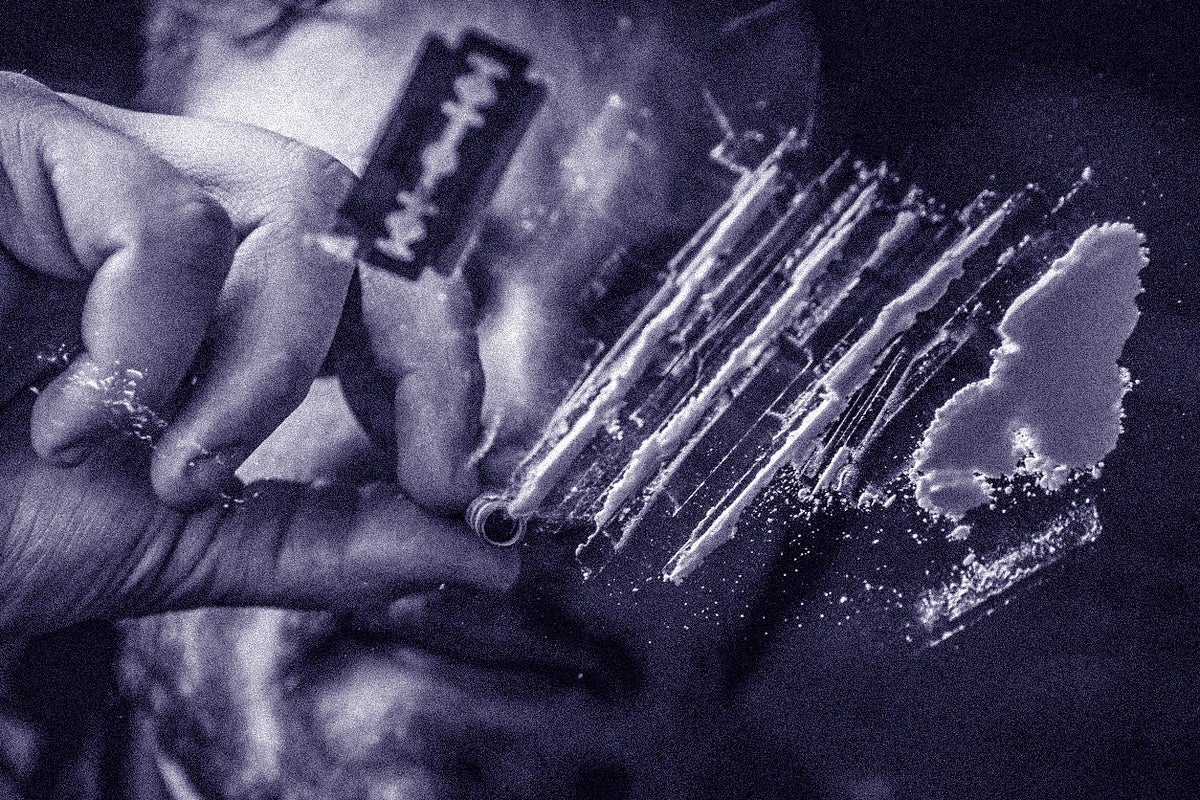
'Ultra-strength' cocaine found at Cheltenham Festival as UK deaths reach record 1,279
The number of cocaine-related deaths in the United Kingdom rose 14 per cent last year, from 1,118 in 2023 to 1,279 in 2024, marking the thirteenth consecutive annual increase, The Independent reports in an exclusive investigation into the drug's surging purity.
Samples collected by The Independent at the Cheltenham Festival in March — an event attended by more than 200,000 people this year — have shed light on what experts are calling a "health scandal". Using test wipes on toilet surfaces across the venue on Gold Cup day, journalists gathered a dozen samples and sent them to Kingston Analytical Services Toxicology (KAST) at Kingston University for analysis.
Cocaine was detected in almost every sample. Three were selected for nuclear magnetic resonance spectroscopy (NMR) testing, the most precise available method. Two of those three — including one taken from a baby-changing facility at the Best Mate Enclosure — registered at 85 per cent purity.
Dr Arijac Durrant, a postdoctoral researcher at Kingston University who carried out the testing, said: "Here are two samples of high-quality cocaine which is above what we usually see at street level. I'm not a medical expert, but I would suggest a heightened risk of an overdose for someone taking this drug who is used to taking a lower purity substance."
A spokesperson for the Jockey Club, which runs the Cheltenham Festival, said the organisation was "extremely disappointed" and described illegal drug use as a wider societal problem at many major events.
From 32 per cent to above 80 per cent in a decade
The UK government does not publish routine figures on cocaine purity. The National Crime Agency estimated average purity at "user level" was between 32 and 38 per cent in 2013. Peter Cain, a drug science adviser at Eurofins Forensic Services — which tests drugs seized by police forces — told The Independent that purity levels reached around 75 per cent during the Covid pandemic and have since climbed above 80 per cent over the past five years.
The European Union Drugs Agency reported last year that average cocaine purity across half of its member states had risen to between 66 and 81 per cent.
Experts attribute the increase to record cocaine production in South America, combined with more diverse supply routes through eastern Europe, which has flooded the UK market. Greater supply has reduced the financial incentive to dilute the product before sale.
"It's a buyer's market," Cain said. "Users are getting a stronger product and they're paying less, and this is at a time everyone else is paying more for beer and other things."
Former drugs tsar calls for urgent government action
Mike Trace, who served as deputy drugs tsar under Sir Tony Blair's government and is now chief executive of the Forward Trust drug and alcohol support charity, described The Independent's findings as "highly concerning" and called on ministers to act.
"Higher, unpredictable purity is the biggest risk factor," Trace said. "If somebody buys white powder off their dealer on a Friday night and says, 'right, well I generally think I get this much of a hit off that substance,' and if they're used to getting that much of a hit on 30 per cent pure substance, but if what they bought this Friday was 60 per cent substance, they're in trouble."
Harry Sumnall, professor in substance use at Liverpool John Moores University and a government drug policy adviser, described cocaine above 85 per cent purity as "ultra strength" and echoed concerns over the findings. "What The Independent has found is an indication that we have a robust high-purity cocaine market," he said.
The NHS states that cocaine use can cause heart attacks, strokes and seizures, and that combining the drug with alcohol further raises the risk of a fatal overdose.
Hospital admissions for cocaine and crack cocaine use — the most recent data available, from 2017–18 — had already tripled over the preceding decade.
Deaths across England and Wales
Among those who died over the past decade was Lucy White, a third-year criminology student at the University of the West of England in Bristol, whose death was attributed by a coroner to a cardiac arrest caused by the class A drug. Her sister, Stacey Jordan, has since called for changes in drugs education.
Last year, Emily Rose Browning, a 24-year-old teacher in Cardiff, died of a cardiac arrest hours after taking cocaine on a night out, an inquest heard, according to the BBC. In the same year, Lindsey Strickland, 41, died after a cardiac arrest following a night out with friends in Salford.
Political and funding context
Warrington North MP Charlotte Nicols warned in November that the Home Office was "fundamentally incapable" of dealing with drug deaths, accusing it of showing "hostility" towards any solution that did not involve further criminalisation.
Figures from the National Audit Office show a 40 per cent reduction in real-terms spending on adult drug and alcohol treatment between 2015 and 2022, despite a ten-year drugs strategy launched by the Conservative government in 2021.
Trace has called on the government to establish a drug-checking programme in towns and cities, enabling users to test the purity of substances before taking them. "Cocaine deaths have been rising every year and we're not taking it seriously enough," he said. "It's become a health scandal that we need to fix quickly."
Source: The Independent