High Court to rule on release of wife killer Glyn Razzell from prison
The High Court is set to deliver its verdict on whether convicted wife killer Glyn Razzell can be freed on licence. Linda Razzell's family say they "will not feel safe" if he is released.
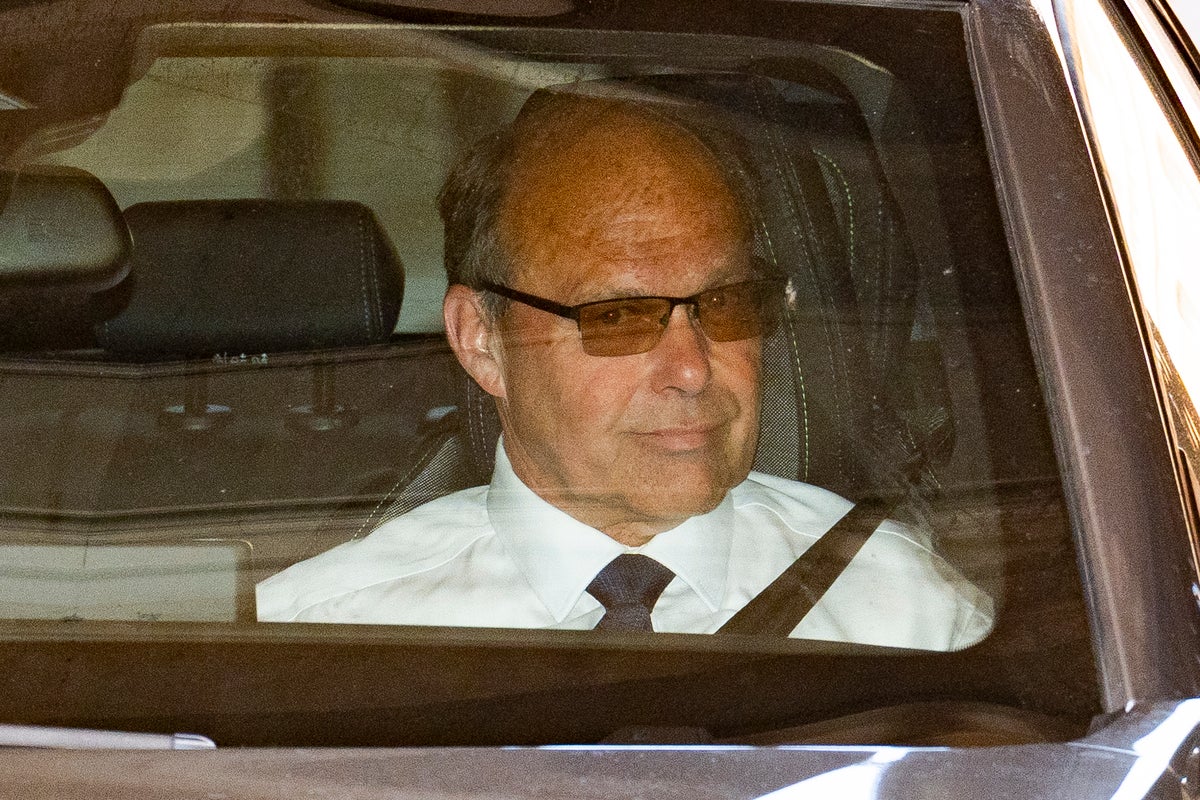
High Court decision due on Glyn Razzell's parole release
Glyn Razzell, convicted of murdering his estranged wife Linda in 2002, is awaiting a High Court ruling on whether he can be freed from prison, The Independent reports. Mrs Justice Cheema-Grubb is due to hand down her decision at 10.30am on Friday.
Razzell was sentenced to life with a minimum term of nearly 16 years in 2003. Linda Razzell, a mother of four, vanished on her way to work at Swindon College in Wiltshire during divorce proceedings between the couple. Her body has never been recovered.
The Parole Board ruled on three separate occasions from 2019 that Razzell should remain in custody. In April, however, it reversed course and decided he could be released on licence. The Ministry of Justice (MoJ) subsequently referred that decision to the High Court, arguing at a two-day hearing earlier this week that it should be overturned.
Razzell, who attended the London hearing in person, is opposing the bid to block his release. His barrister, Matthew Stanbury, submitted in written arguments to the court: "There is no, or no sufficiently cogent, basis for departing from the panel's decision."
Linda Razzell's cousin, Julie Westmore, told the court that she and her family "will not feel safe" if Razzell walks free. Westmore also expressed concern that "all hope of ever finding Linda's remains will be lost" should he be released.
The Parole Board's April ruling acknowledged "serious doubts" about Razzell's honesty and identified a "very significant" risk in the context of relationships, though it characterised that risk as "not imminent." The board concluded he would comply with licence conditions because he was "strongly motivated not to return to custody."
The board's deliberations included consideration of Helen's Law, named after Helen McCourt, who disappeared on her way home from work in 1988. The legislation requires the Parole Board to weigh a killer's refusal to disclose where a victim's body was hidden.
Tristan Jones KC, appearing for the MoJ, argued that the Parole Board's decision "loses sight of the fact that he has not been honest or transparent," and that proposed licence conditions "cannot fully address the risks" Razzell poses.
Under the legal framework governing such referrals, the MoJ may challenge a Parole Board release decision if it believes that freeing the prisoner would undermine public confidence in the parole system. The High Court must also be satisfied that continued imprisonment is no longer necessary for public protection.
Razzell, from Crewkerne in Somerset, has consistently denied responsibility for his wife's killing.
Source: The Independent