Louisville's Police Reform Stalls as Officers Kill Katelyn Hall During Mental Health Call
Louisville pledged to continue police reform after Trump's DOJ withdrew. A year on, results are mixed — and a woman was shot dead during a mental health crisis.
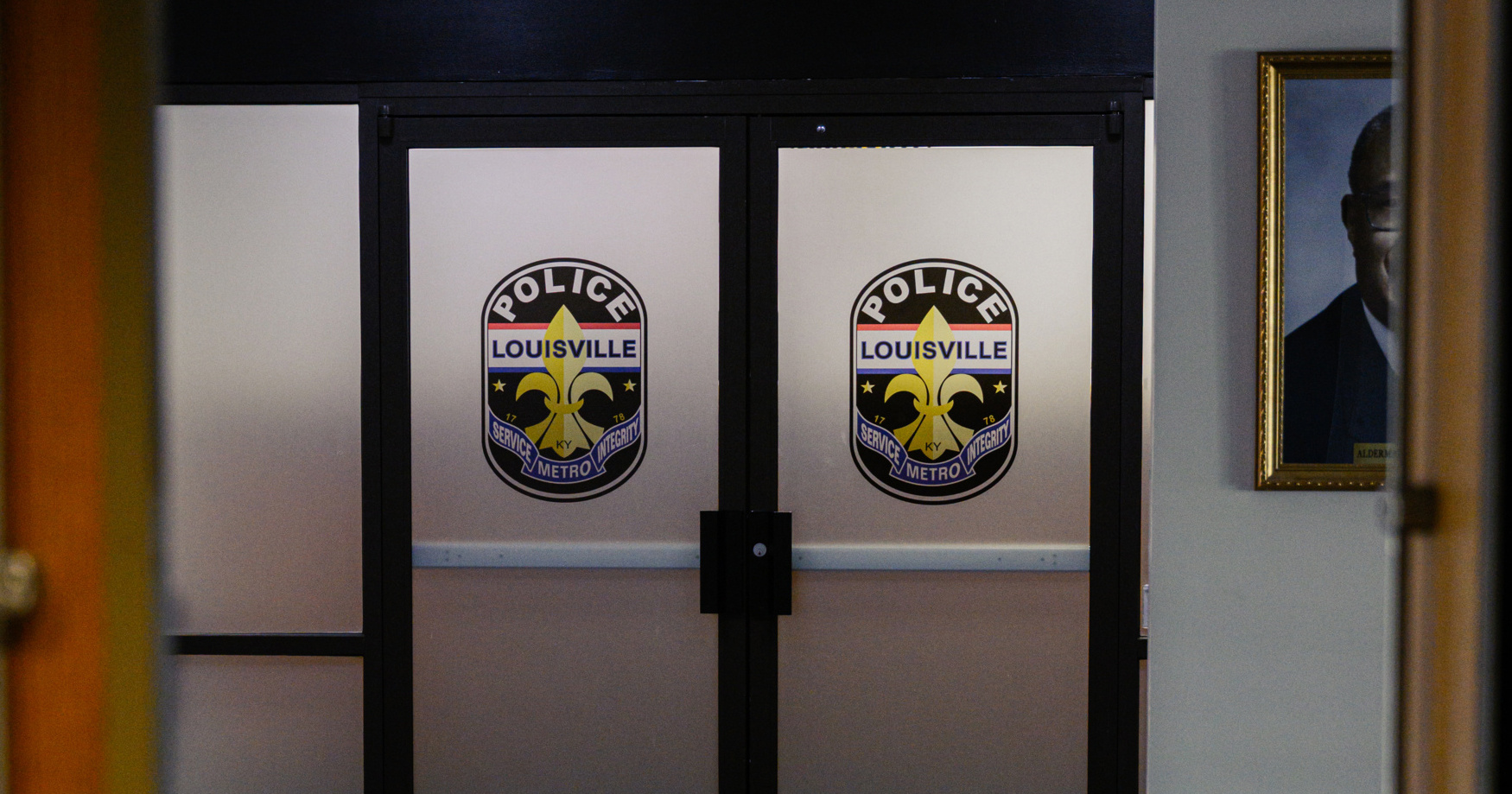
Louisville's self-directed police reform under scrutiny after fatal shooting
One year after Louisville, Kentucky pledged to pursue police reform on its own terms — following the Trump administration's decision to abandon federal oversight — community leaders and civil rights advocates say progress has been uneven, according to an investigation by propublica.org.
The city's reform effort was launched in May 2024, when the Justice Department withdrew from federal efforts to hold troubled police departments accountable across the country. Officials dropped lawsuits against two cities for unconstitutional policing and retracted findings of abuse in several others. Where some jurisdictions welcomed the move, Louisville's mayor chose a different path.
Mayor Craig Greenberg announced that the city would press ahead with a reform plan modelled on the agreement previously negotiated with the Biden administration, and would hire an independent monitor to track progress. "I made a promise to our community," Greenberg said, "and we are keeping that promise."
Pattern of misconduct predating the withdrawal
The stakes were not abstract. In 2023, federal investigators found that Louisville Metro Police Department officers routinely discriminated against Black residents, used police dogs inappropriately, and failed to adequately respond to people in mental health crises. The findings came in the wake of national scrutiny that began in March 2020, when plainclothes officers fatally shot Breonna Taylor — a 26-year-old Black medical worker — during a no-knock raid on her apartment, a case that, alongside the killing of George Floyd in Minneapolis, triggered a broad national reckoning over race and policing.
By December 2024, the city and the DOJ had announced the details of a consent decree — a court-supervised agreement setting improvement benchmarks — and Greenberg pledged to "aggressively implement police reform."
But police records obtained by propublica.org tell a more complicated story. Two years after the DOJ published its initial findings, and while the Greenberg administration was charting its reform roadmap in early 2025, officers were still engaging in the same problematic practices flagged by federal investigators. In particular, police officials were failing to conduct thorough reviews of officers' use of force.
Mental health response: pilot progress, structural gaps
On one front, the city has expanded a pilot programme that diverts certain mental health calls away from uniformed officers and routes them to mental health specialists instead. Yet a review panel created specifically to evaluate the department's mental health practices overall held its first meeting only in March — nearly a year after it was announced — and is not scheduled to issue recommendations for another twelve months.
"What we do as a city, we make things look good on paper, but then in the application of it, it plays out so differently," said Shameka Parrish-Wright, a Louisville city council member and mayoral candidate seeking to unseat Greenberg later this year. "What plays out on the ground in day-to-day interactions is different."
Katelyn Hall shot dead in her own apartment
The human cost of those gaps came into sharp focus in March, when 28-year-old Katelyn Hall was shot and killed by Louisville police officers inside her own apartment while she was experiencing a mental health crisis. Mental health experts told propublica.org that the incident reflects the exact practices the Justice Department had flagged more than three years earlier.
Police Chief Paul Humphrey pushed back on that characterisation. The department responded to 3,200 mental health calls last year, Humphrey said, and "only about eight resulted in any injury to anyone." The shooting remains under investigation.
In the aftermath of Hall's death, Mayor Greenberg's office is exploring options for pairing mental health professionals with officers on high-risk calls — a model that, critics point out, was explicitly recommended by the Justice Department back in 2023. Currently, the city deploys either mental health workers or police to such calls, but does not send them together on critical incidents, including those where a weapon is reported to be present.
Greenberg declined multiple interview requests. His press secretary, Matt Mudd, defended the city's record in an email to propublica.org: "The Louisville Metro Police Department is in a much better place than it was three years ago. That work is ongoing, and we are partnering closely with the community to ensure progress continues."
Chief Humphrey offered a similar assessment, telling propublica.org that police reform under federal oversight typically takes years. "I think we're going at a really good clip," he said.
No court order, no enforcement
Without a federal court order, the city's reform commitments carry no legal weight. Ed Harness, Louisville's first-ever inspector general — charged with investigating police misconduct — put the central question plainly.
"There's no enforceability by law," Harness said. "Now whether reform can happen voluntarily, with compliance and supervision by elected leaders, kind of is the question that will be answered in Louisville."
The city now stands as a national test case: can a municipality deliver meaningful, lasting police reform without the compulsion of federal oversight and judicial accountability? For residents like those who knew Katelyn Hall, the answer is not yet clear.
Source: Google News MT — Crime (en)