Arizona Supreme Court rejects appeal, fake elector case returns to grand jury
The Arizona Supreme Court denied AG Kris Mayes' appeal, forcing the fake elector case against Meadows, Giuliani and others back to a grand jury.
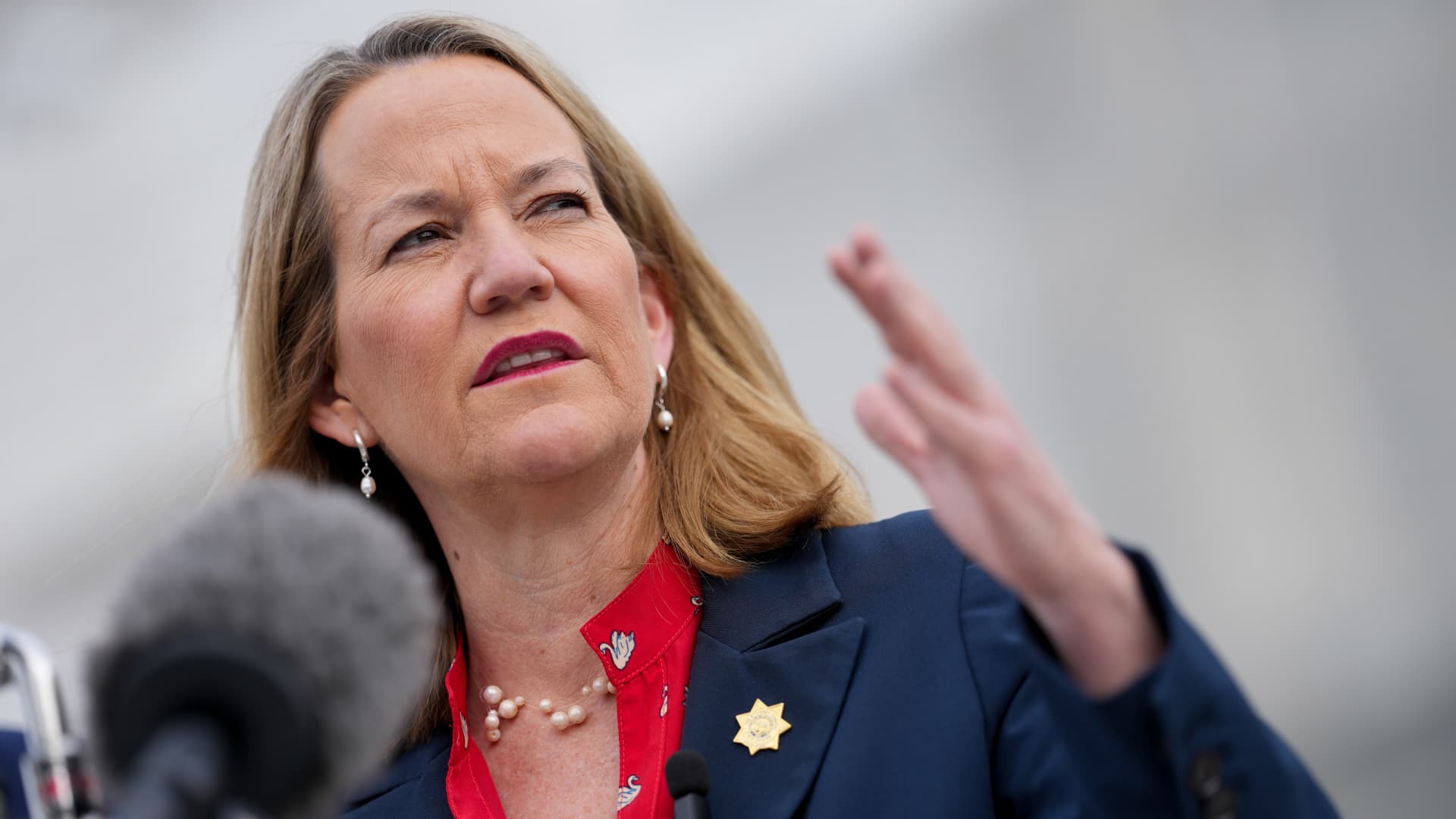
Arizona's fake elector case heads back to grand jury after Supreme Court ruling
The Arizona Supreme Court has denied a prosecutor's appeal seeking to keep the state's fake elector case on its current course, cnbc.com reported Thursday. The ruling sends the case — involving former White House chief of staff Mark Meadows, former New York City Mayor Rudy Giuliani and 16 others — back before a grand jury.
Democratic Attorney General Kris Mayes, who filed the charges, said her office will present the case in its entirety to a new grand jury rather than drop the prosecution. Her office declined to comment further on the court's decision.
The setback comes after related prosecutions elsewhere have collapsed. Courts in Michigan and Georgia dismissed comparable cases, and a federal special prosecutor dropped charges against former President Donald Trump in late 2024 for allegedly conspiring to overturn the 2020 election. Active fake elector cases now remain only in Arizona, Nevada and Wisconsin.
A Phoenix judge ruled in May that the original grand jury had not been shown the text of the Electoral Count Act — a 19th-century law governing the certification of presidential elections that defendants cited in their defense. Defense attorneys argued the law permitted multiple slates of electors to be sent to Congress when results were in dispute. Congress amended the statute in 2022 to clarify that each state may submit only one slate, signed off by the governor.
Mark L. Williams, an attorney for Giuliani, welcomed the ruling and questioned whether Mayes' office would follow through on its pledge to re-present the case. "In my mind, the whole thing is meritless," Williams said. "Mr. Giuliani has done nothing wrong." No movement has occurred at the trial court level since mid-May 2025.
Former President Joe Biden carried Arizona in 2020 by 10,457 votes.
Mayes filed the case nearly three and a half years after the election, naming 18 defendants on complicated conspiracy charges. Two were former Trump aides, five were lawyers who worked for Trump, and 11 were Republicans who submitted a document falsely asserting Trump had won the state. Three defendants have already resolved their cases, including one who pleaded guilty to a misdemeanor.
The remaining defendants have pleaded not guilty to charges of conspiracy, fraud and forgery. Several said they signed the electoral certificate only as a contingency, in the event Trump prevailed in ongoing court challenges and a new slate of electors was needed before Congress' January 6 deadline to count electoral votes.
The case has been slowed by a dozen dismissal motions filed by defense attorneys. The original judge recused himself in late 2024 after an email emerged in which he urged fellow judges to speak out against attacks on Kamala Harris' presidential campaign. His replacement subsequently ordered the case sent back to a grand jury — the order at the center of Thursday's Supreme Court decision.
Source: ABC News US