U.S. Supreme Court Blocks Alabama Nitrogen Gas Execution
The Supreme Court rejected Alabama's emergency request to execute Jeffery Lee via nitrogen hypoxia after a lower court deemed the method potentially unconstitutional.
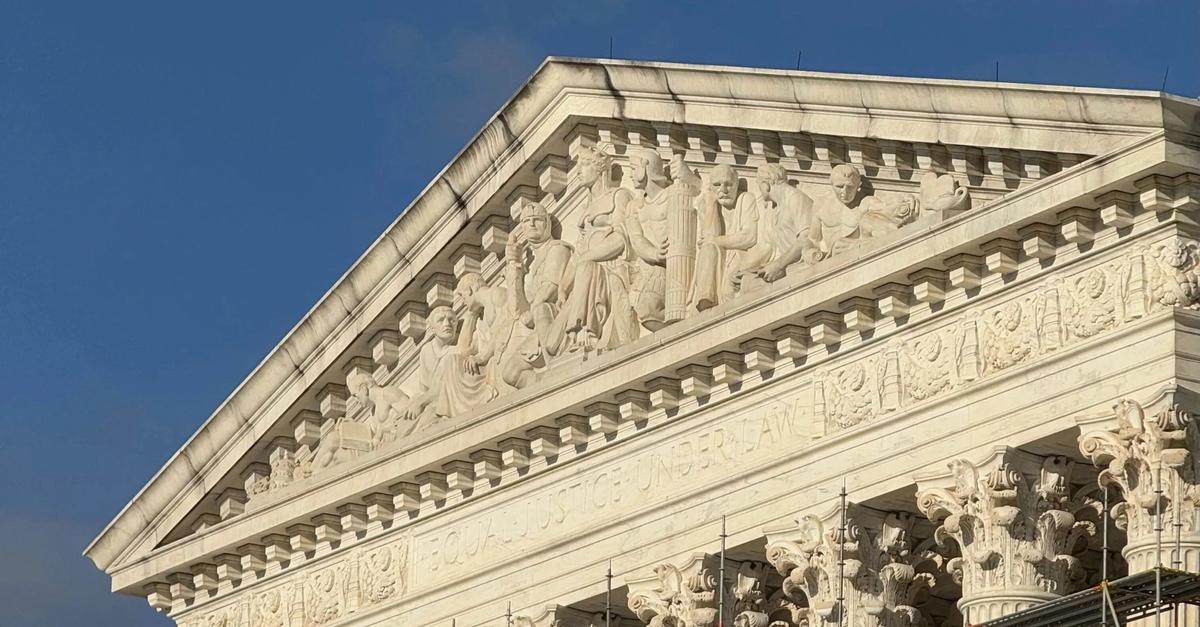
U.S. Supreme Court Blocks Alabama Nitrogen Gas Execution
Justices at the nation's highest court stopped Alabama from carrying out a planned execution using nitrogen gas on Thursday night, following lower court rulings that blocked the method.
State attorneys had asked the justices to set aside a district court order preventing them from putting Jeffery Lee to death via nitrogen hypoxia. The procedure had been set for Thursday evening.
In a short order released just after 9 p.m. EDT, the Supreme Court rejected the state's plea without giving reasons. Three justices on the right — Clarence Thomas, Samuel Alito, and Neil Gorsuch — stated they would have approved Alabama's request and let the execution move forward.
The matter came before the justices after a federal trial judge prohibited the state from using the nitrogen gas approach, finding it was "likely unconstitutional." Alabama had sought urgent relief from the Supreme Court to reverse that ruling before the scheduled time of death.
The legal fight centers on whether nitrogen hypoxia — a technique that substitutes pure nitrogen for breathable air, leading to death through oxygen loss — breaches constitutional bans on cruel and unusual punishment. Alabama has been developing this protocol as an option instead of lethal injection.
Lee was found guilty and given a death sentence for capital murder. The particulars of his conviction were not at issue in the emergency filing; instead, the court battle dealt solely with how the state intended to enforce the sentence.
With the court's refusal, Lee's execution stays blocked while legal objections to the nitrogen gas approach work through lower courts.
Source: SCOTUSblog
Source: Google News MT — Crime (en)