George Santos threatens NPR reporter after federal Kalshi trading probe story
NPR reporter receives violent threat from ex-congressman George Santos after publishing story on federal investigations into his Kalshi prediction market trades.
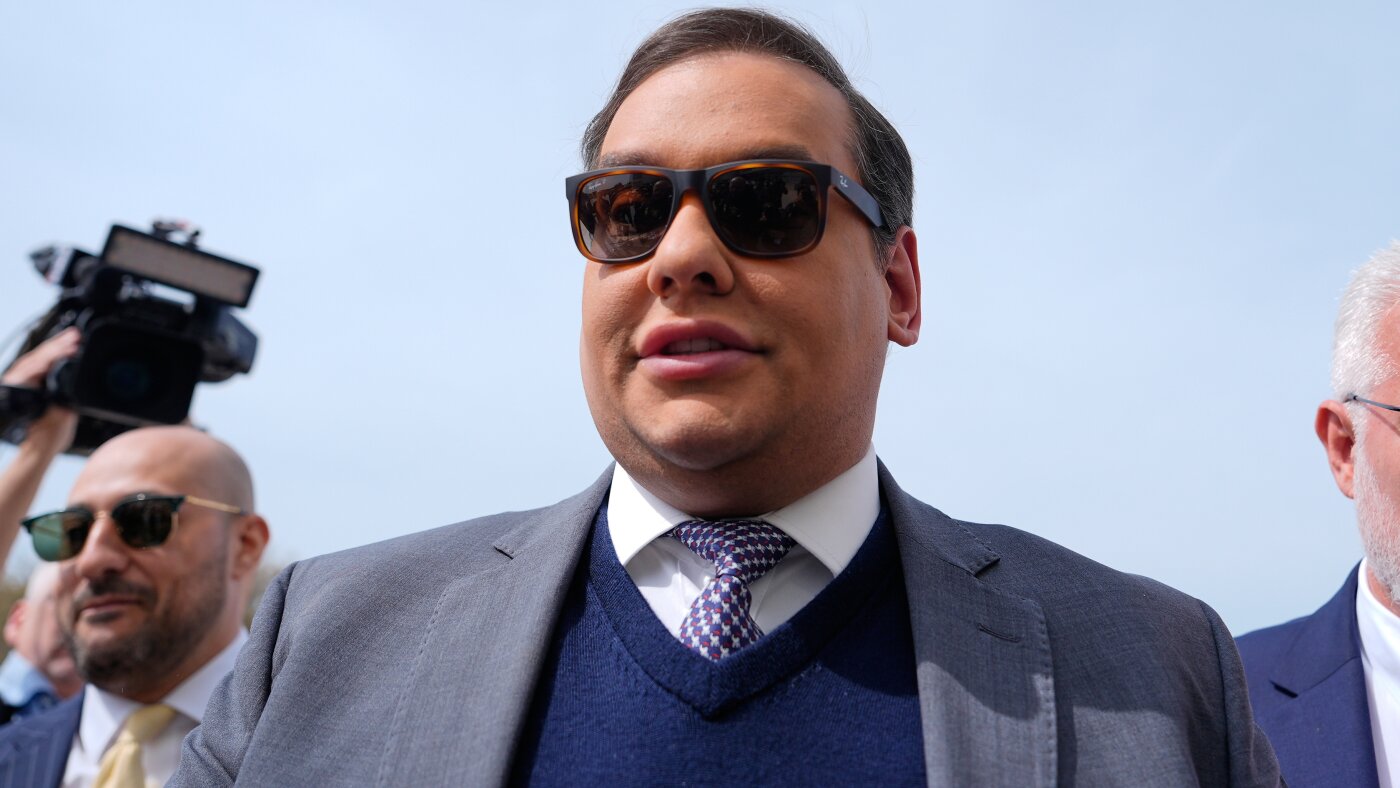
George Santos threatens NPR journalist after Kalshi insider trading investigation report
An NPR reporter received a violent threat from former U.S. Representative George Santos days after publishing a story revealing that federal authorities had opened investigations into his trading activity on the prediction market platform Kalshi, NPR reported.
The call came at 5:37 p.m. on a blocked number. Santos, who was expelled from Congress and later had his prison sentence commuted by President Trump, was described as "boiling with rage."
Federal investigations into Kalshi trades
The NPR story at the centre of the dispute revealed that the Justice Department and the Commodity Futures Trading Commission had launched investigations into Santos's trading behaviour on Kalshi. Officials at the company had detected that Santos was placing bets against his own attendance at Trump's State of the Union address in February — at the same time as he posted a video on X telling followers how eager he was to attend.
Three sources confirmed to NPR that Kalshi referred the matter to federal authorities in the Southern District of New York and in Washington.
The phone call and the threat
Santos disputed the reporting, insisting his lawyers had been "calling the Department of Justice all day" and could find no investigation. He declined to name his legal team, responding to the question with: "I'm George f*cking Santos, of course I have a legal team."
He then attacked the reputation of NPR. What followed, according to the reporter, went beyond the usual invective.
"This story is going to get you a gun in your face," Santos said.
The reporter asked him to clarify the remark. Santos did not elaborate. He had called from a blocked number; the reporter traced his mobile number through a public records search and sent him a text message. Santos responded in writing: "I NEVER SAID 'this story would get a gun in your face, I said 'it'd blow up in your face."
He went on to call the reporter "an insane person" and "a clown."
Pre-emptive denial on X
Before the reporter had publicly disclosed the contents of the call, Santos had already posted on X to deny it had ever happened, claiming the journalist "was now making things up."
"I've interacted with hundreds of reporters in my life… not once was I ever threatening or aggressive… sassy? Sure but aggressive and threatening? NEVER!" Santos wrote.
In the same post, Santos claimed the reporter had demanded he disclose his lawyers' names "or else," adding "only God knows what that means." The reporter acknowledged asking for the lawyers' names but said the "or else" framing was a fabrication.
Santos was, the reporter wrote, "front-running his denial of his violent threat before I ever publicly confronted him for doing it."
Why the reporter chose to publish
NPR noted that threats against journalists are common, often arriving from online trolls or aggressive PR handlers, and that it can be difficult to judge how seriously to take them. The reporter said he weighed whether reporting on the confrontation would simply give Santos the attention he thrives on — particularly since Trump's commutation of his prison sentence restored both his freedom and his active presence on X.
The decision to publish was driven by Santos's mischaracterisation of the exchange and his rapid attempts to reframe the record before any public account emerged.
Further fallout
Since NPR published the investigation story, the Associated Press reported that Polymarket — a rival prediction market that had paid Santos to promote its content on social media — had cut ties with him.
Santos is also listed on Cameo, the platform where public figures record personalised video messages for a fee, and is currently advertising a 55% discount, bringing the price to $150 per video.
Source: Google News MT