Bakersfield Bank Hostage Standoff Ends with FBI Killing Bomber Suspect
Anthony Scott Searles-Harris took 10 hostages at a Chase Bank in Bakersfield before FBI agents fatally shot him. His former defense attorney says he could have ended it peacefully.
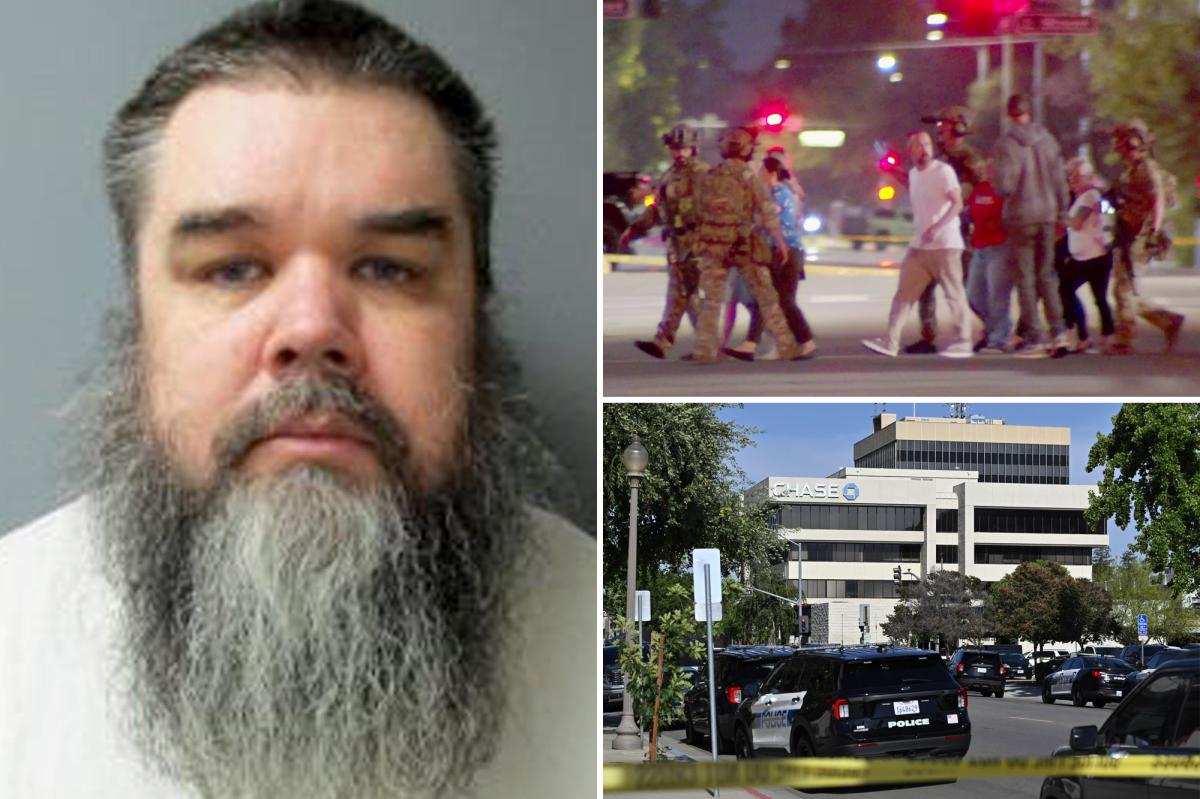
FBI Kills Bomb-Strapped Suspect After Hours-Long Bakersfield Bank Standoff
According to NY Post Metro, law enforcement negotiated for hours with Anthony Scott Searles-Harris — a man who had strapped what he claimed was a bomb to himself and seized ten hostages inside a Chase Bank in downtown Bakersfield — before FBI agents moved in and fatally shot him in front of the captives.
Searles-Harris, 41, walked into the bank and announced he was carrying a bomb, then barricaded himself inside along with the hostages. A witness reported that he told those present it was a "bad day to be at the bank."
Among the first calls Searles-Harris made was a request to speak with his former defense attorney, Arturo Revelo. Law enforcement drove Revelo from his home in Tehachapi to the scene at roughly 97 miles per hour. He was positioned in the command center for several hours but was repeatedly denied access to his former client.
Revelo said Searles-Harris believed he had been part of a conspiracy that contributed to his conviction on sex crimes charges. The suspect was convinced that exculpatory evidence had been withheld during his trial. Revelo described him as a "narcissist" who also requested to speak with one of his victims — a woman who, now an adult, urged him to surrender. Searles-Harris refused.
A box of legal defense documents was delivered to the suspect in exchange for a promised release of hostages, but Searles-Harris did not follow through. The hostages — employees of the Kern County Superintendent of Schools — remained inside. He eventually released two of them and engaged police in conversations about food and water, but negotiations broke down.
At that point, Revelo said, the FBI assumed command. He believes his former client had deliberately targeted a bank because federal law enforcement would be compelled to intervene — and that Searles-Harris wanted the FBI specifically because he knew they would kill him.
The risk of a tactical entry was significant. Searles-Harris had told the hostages he was holding a "dead-man's switch" that would detonate the explosives strapped to him and some of the captives if he were killed. The FBI, however, assessed the bombs as likely not real and proceeded. Agents breached the building and shot Searles-Harris dead in front of the remaining hostages. All captives were released unharmed.
"He was having a breakdown, and yeah, he was right," Revelo said. "The FBI was going to come in and kill him."
Revelo believes Searles-Harris orchestrated the entire episode to draw public attention to his criminal case, end his own life, and, in his words, "to make a symbol of his death."
The attorney was sharply critical of how the FBI handled the final moments, calling the agents involved a "death squad" and arguing they were too aggressive. Despite his personal dislike of his former client, Revelo said the outcome left him with regret and recurring nightmares.
"I've been looking at his ugly face time and time again as I go to sleep," he said.
Revelo repeatedly asked law enforcement to allow him to speak directly with Searles-Harris, believing he could have persuaded him to surrender peacefully. Those requests were denied throughout the standoff. The reason was never explained to him.
"It was a complicated story there," he said. "I could have walked him out. But they wouldn't let me."
Source: NY Post Metro