AI fraud: FBI reports €820 million in damages across more than 22,000 cases
The FBI recorded approximately €820 million in damages from AI-enabled fraud in more than 22,000 cases in 2025. Older people and social media users are particularly affected.
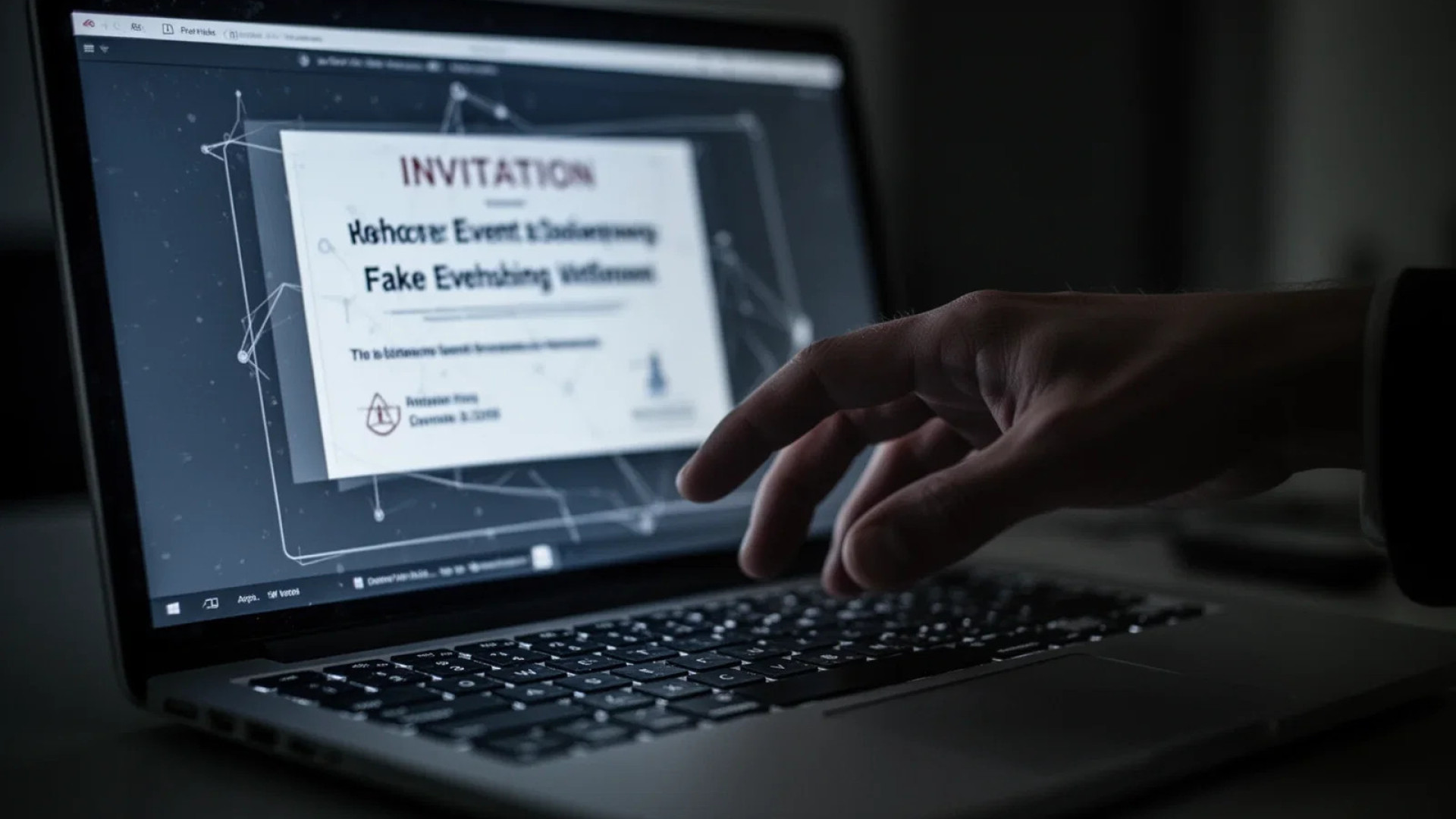
FBI report: AI-enabled fraud causes billions in damages
The FBI has registered damages of nearly €820 million from AI-enabled fraud in 2025 across more than 22,000 reported cases. As boerse-express.com reports, the US consumer protection authority FTC is also sounding the alarm in the face of the growing wave of fraud.
One widespread method: fraudsters send emails with links to supposed party invitations. The fake messages imitate well-known services such as Evite, Paperless Post or Punchbowl with deceiving authenticity. Those who click on the link land on a fake login page and unknowingly give away their access credentials. Since December 2025, security experts have identified more than 80 fraudulent domains set up specifically for such campaigns – primarily targeting Google and Microsoft accounts.
Industry representatives point out that legitimate invitation services never ask for a password to view a digital card. Providers such as Paperless Post and Evite advise carefully checking sender addresses and checking logos for inconsistencies.
Older people particularly in the crosshairs
The financial consequences of individual fraud cases are substantial. In one documented case, a victim lost around €5,000 after falling for a fake invitation. The FTC warns: anyone who has given away access credentials risks not only the loss of their account, but also direct money outflows.
Older people are particularly badly affected. Data from 2024 show that travel fraud alone caused damages of around €250 million. For those aged 70 to 79, the average loss per case was around €900. The authorities' warning comes at a strategically relevant time: between late May and early July, the number of fraud attempts rises noticeably, as criminals exploit the travel season for fake holiday offers and holiday rentals.
Voice cloning technology and digital romance fraud
Particularly insidious is the use of voice cloning technology. In a case from Syracuse, a mother was deceived by the imitated voice of her son and lost several thousand euros as a result. Romance fraud is also increasingly becoming digitalised: the US Department of Justice uncovered an operation in which AI video platforms were deliberately deployed. Between July 2024 and April 2026, this resulted in damages exceeding €13 million – more than 130 victims were systematically deceived.
Social media as main attack vector
Social networks rank among the most commonly used attack vectors. Facebook users alone lost approximately €725 million through fraud schemes in 2025. In investment fraud via social media, the damage amounted to as much as €1 billion.
Recommendations from authorities
Authorities recommend three basic measures: never click on links in unsolicited emails. Enable two-factor authentication. And in the case of unusual requests for money or data – even from supposedly known persons – call back directly, but do not use the number from the suspicious message.
Source: Google News AT — Crime (de)