ICE detained Chilean ex-DINA agent Armando Fernández Larios in Florida, then released him
U.S. immigration agents arrested former Chilean secret police officer Armando Fernández Larios in Miami in October 2025, but freed him in March 2026 after he sued for unlawful detention.
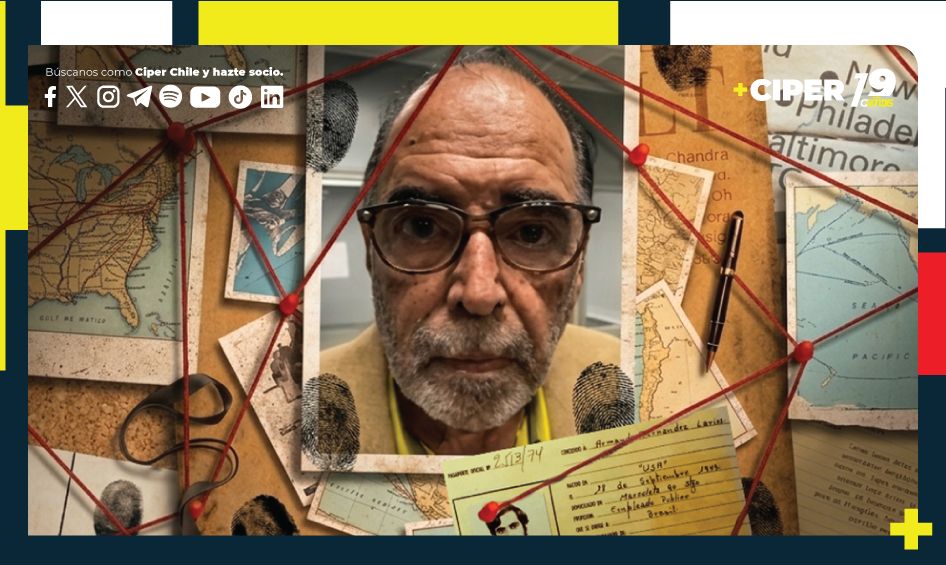
ICE detained Chilean ex-DINA agent Armando Fernández Larios in Florida, then released him
In late October 2025, officers from U.S. Immigration and Customs Enforcement (ICE) quietly arrested Armando Fernández Larios, a former operative of Chile's secret police, at his home in Florida. He was held at the Krome detention center near Miami. The case only became public when his name appeared on the Department of Homeland Security's "worst of the worst" list, part of a Trump administration publicity push beginning in January 2026.
Despite listing "homicide" as the basis for detention, ICE released Fernández Larios on 19 March 2026 after he filed a lawsuit claiming unlawful detention. On 30 March, U.S. District Judge Cecilia Altonaga dismissed the suit as moot because he was already free.
Fifty years earlier, Fernández Larios had participated in the plot to murder exiled Chilean diplomat Orlando Letelier in Washington, D.C. On 21 September 1976, a car bomb killed Letelier and his colleague Ronni Karpen Moffitt. At the time, Fernández Larios was a 26-year-old agent of the Dirección de Inteligencia Nacional (DINA), the secret police of General Augusto Pinochet's military regime.
In his lawsuit, Fernández Larios argued that the U.S. government had breached a 1987 plea agreement. Under that deal, he pleaded guilty to being an accessory after the fact in the Letelier-Moffitt killings and agreed to testify truthfully. In exchange, the Justice Department recommended a reduced sentence and promised not to deport him to Chile or assist in his extradition.
He claimed that ICE's attempt to remove him violated that agreement. Rather than contest the suit, authorities simply released him.
Court records and declassified documents were published by the National Security Archive's Chile Documentation Project.
Source: CIPER Chile
Source: Google News CL — Crime