Uruguayan Narcotics Figure Marset Denies U.S. Charges, Trial Pushed to 2027
Sebastián Marset, described as the suspected head of a Uruguayan trafficking organization, rejected four federal accusations in a Virginia courtroom and will stand trial next year.
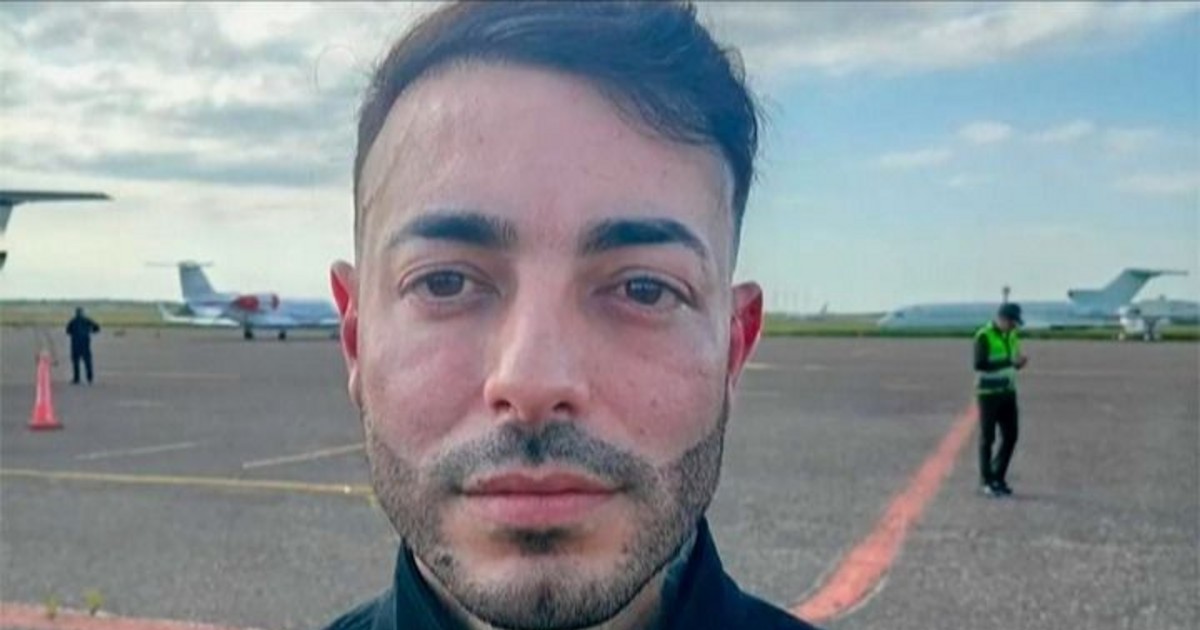
Uruguayan Narcotics Figure Marset Denies U.S. Charges, Trial Pushed to 2027
On Wednesday, Sebastián Marset—an Uruguayan man accused of leading a major cocaine network—stood before the Eastern District of Virginia and denied all charges against him. The judge reset the trial for 11 January 2027.
Santiago Moratorio, who represents Marset, spoke with El Deber after the hearing. He said his client appeared at both the procedural status conference and the arraignment, where he refused to accept the U.S. government's allegations.
The court session followed an expanded indictment filed by federal prosecutors. What began in 2024 as a single count of money-laundering conspiracy has grown into four separate offenses. Marset now stands accused of plotting narcoterrorism, conspiring to possess cocaine aboard a vessel under American jurisdiction, laundering money, and conspiring to launder assets. A conviction on all counts could mean life behind bars.
Lead prosecutor Anthony T. Aminoff had sought a March 2027 start, telling the judge he still needed to secure visas for Belgian and Colombian officers who helped build the case starting in 2021. Marset’s counsel Robert Feitel pushed for November 2026, but the government warned that foreign witnesses could not be processed that quickly.
Judge Rossie D. Alston split the difference, choosing mid-January 2027 and budgeting at least a fortnight for what he called a complicated matter. Aminoff explained that overseas witnesses would need interpreters, sworn document translations, and in some cases official clearance from their home countries before they could take the stand—factors he said made the hearing unusually demanding to organize. Feitel, himself a former federal prosecutor, voiced frustration, saying he had managed international drug prosecutions without such long adjournments.
Court records allege that from 2018 until his arrest in Santa Cruz de la Sierra on 13 March 2026, Marset coordinated shipments of cocaine originating in Bolivia, Peru, and Colombia and bound for European markets. The group supposedly relied on planes, boats, conventional banks, and digital currencies to shift illegal earnings. American authorities argue that some of those profits moved through U.S.-based correspondent banks on their way back to South America to buy more product, giving the United States legal grounds to prosecute.
The updated filing from Aminoff’s office links Marset to the PCU, which officials in Washington associate with drug smuggling, financial laundering, and acts they classify as terrorism under domestic statutes. The network allegedly sourced cocaine in the Andean region and sent it chiefly to Portugal, Spain, the Netherlands, and Belgium, routing through Brazilian, Paraguayan, and Uruguayan harbors. Prosecutors claim individual loads topped ten metric tons and that covert craft were used for maritime transport.
The indictment also describes sophisticated money movements. Revenue from European sales allegedly flowed through American correspondent institutions before landing in Bolivia and Peru to fund fresh narcotics purchases. Cryptocurrency—specifically Tether (USDT)—reportedly featured in these transfers, and Uruguayan outlets have noted Marset’s own admission to holding roughly four million dollars in virtual coins.
With the plea entered, the litigation now advances toward its next stage, set to begin when the court convenes on 11 January 2027 to address the quartet of charges facing the man identified as the alleged founder of the so-called First Uruguayan Cartel.
Source: El Deber
Source: El Deber