Mistrial in Palisades Fire Arson Case: Jury Deadlocked on Jonathan Rinderknecht
A judge declared a mistrial after jurors failed to reach a unanimous verdict against Jonathan Rinderknecht, accused of sparking the deadly Palisades fire. Prosecutors plan to retry the case.
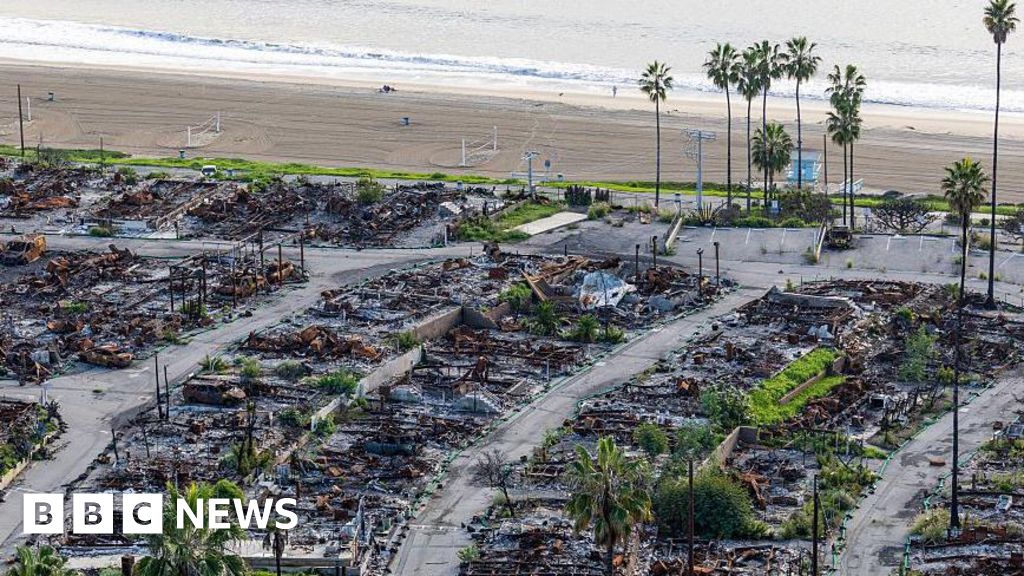
Jury deadlocks in Palisades fire arson trial; mistrial declared
A Los Angeles judge declared a mistrial Thursday in the case against Jonathan Rinderknecht, 30, who was accused of deliberately igniting the blaze that grew into the Pacific Palisades fire — the deadliest wildfire in Los Angeles history — killing 12 people and destroying more than 6,000 buildings, bbc.com reports.
Jurors informed the court after two days of deliberations that they could not reach a unanimous verdict on the three arson-related charges. Prosecutors said they intend to retry the case.
Speaking on Friday, one of Rinderknecht's attorneys described the mistrial as "a pretty resounding indication of what the jury felt about this case," adding that the jury was not convinced beyond a reasonable doubt, according to US media.
Rinderknecht, a dual French and US citizen and former Uber driver who once lived in the affluent Pacific Palisades community, was arrested in October and pleaded not guilty. He faced up to 45 years in prison if convicted.
US Attorney Bill Essayli maintained confidence in the prosecution's case after the mistrial. "The evidence is strong that Jonathan Rinderknecht is responsible for igniting the fire on January 1, 2025, which eventually became the Palisades fire," Essayli wrote in a post on social media.
Prosecutors alleged that Rinderknecht lit a small brush fire on New Year's Eve 2024, which came to be known as the Lachman fire. Fire officials believed they had extinguished the blaze, but it smouldered underground for six days before extreme Santa Ana winds rekindled its embers near a hiking trail overlooking the coastal neighborhood.
The Palisades fire was one of several that ignited back-to-back across the Los Angeles region in January, leaving 31 people dead in total and destroying approximately 16,000 structures.
Prosecutors argued Rinderknecht was motivated by revenge, anger, and loneliness — having nowhere to go for the holiday. They presented geolocation data from his iPhone, security camera footage showing his car's location, and witness testimony from passengers who had ridden with him.
Evidence allegedly recovered from his digital devices included a ChatGPT-generated image depicting a city on fire. Prosecutors contended that Rinderknecht used the AI tool like a diary, chronicling a fascination with fire before traveling to the area. They also alleged he held "a deeply entrenched belief that the wealthy were destroying the world" and deliberately targeted the upscale neighborhood.
Defense attorney Steve Haney rejected that account, arguing that Rinderknecht did not start the fire and had in fact reported it to authorities when he observed it break out.
Rinderknecht had been charged with destruction of property by means of fire, arson affecting property used in interstate commerce, and timber set afire. With prosecutors signaling their intent to retry, a second trial date has yet to be announced.
Source: NYT US News