San Francisco Officers Denied Immunity in Fabricated Evidence Case After 32-Year Wrongful Imprisonment
A federal appeals panel ruled two SFPD inspectors cannot claim qualified immunity after coercing a witness to wrongly convict Joaquin Ciria of murder in 1990.
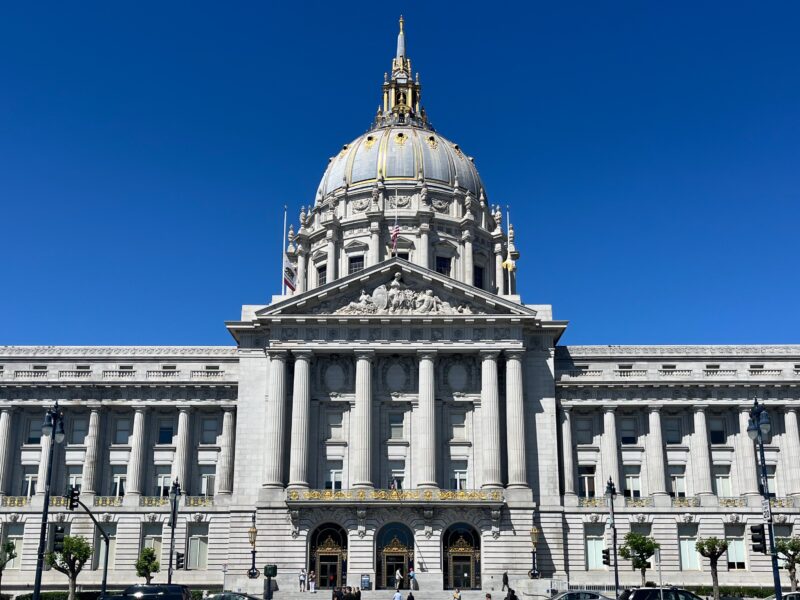
Ninth Circuit rules SFPD inspectors face trial over framed murder conviction
Two San Francisco Police Department inspectors accused of fabricating evidence to secure a murder conviction cannot shield themselves behind federal qualified immunity, a Ninth Circuit appeals panel ruled Friday.
In a 2-1 decision, the court found it was clearly established that Inspectors James Crowley and Arthur Gerrans violated Joaquin Ciria's due process rights by deliberately manufacturing false evidence against him. Ciria was 29 years old when he was charged and convicted of first-degree murder in the 1990 shooting death of his friend Felix Bastarrica. He was not exonerated until 2022, at the age of 61, after spending more than three decades in prison.
According to Courthouse News Service, the San Francisco District Attorney's Innocence Commission determined that Crowley and Gerrans threatened to charge George Varela — an accomplice to the actual shooter and the prosecution's star witness — with murder unless he identified Ciria as the gunman. Varela complied, and his testimony became the central pillar of the case against Ciria.
No physical evidence, no eyewitness, no probable cause
Senior U.S. Circuit Judge Richard A. Paez, writing for the majority, said no officer needs a directly analogous case to understand the unlawfulness of charging someone with first-degree murder "principally on the basis of a single coerced and false statement, particularly when the only other available evidence is rumour and a weak match to a generic physical description."
Paez noted that no physical evidence connected Ciria to the killing, no witness placed him at the scene, and no eyewitness identified him as the shooter. He added that investigators were aware of at least one other individual who matched the shooter's description but chose not to pursue that lead.
"Any reasonable officer would know that threatening a young witness and offering him a story that insulates him from liability to get him to falsely implicate a suspect violates the accused suspect's due process rights," Paez wrote.
The panel further found the legal standard at the time gave the defendants "fair warning" that they lacked probable cause to arrest and charge Ciria. Even in 1990, Paez wrote, it was "beyond debate" that feeding a witness a fabricated narrative constituted a violation of constitutional rights. Senior Circuit Judge Mary M. Schroeder, a Jimmy Carter appointee, joined Paez in the majority opinion.
Dissent: rights not clearly established in 1990
U.S. Circuit Judge Eric D. Miller dissented, arguing the defendants should be entitled to qualified immunity. Miller acknowledged that the officers may have violated Ciria's constitutional rights but contended that Ciria could not demonstrate those rights were clearly established at the time of the 1990 investigation — the legal threshold required to strip officers of immunity protection.
Ciria's legal team eyes trial and compensation
Ciria sued the city in 2022 following his exoneration, alleging that officials deprived him of his civil rights by fabricating evidence "despite obvious evidence of his innocence." His attorney, George Harris of the Norton Law Firm, told Courthouse News the legal team was pleased with the ruling and is moving towards trial.
"We look forward to presenting our case and seeking some compensation for Mr Ciria's 32 years of wrongful imprisonment," Harris said.
San Francisco City Attorney David Chiu's communications director, Jen Kwart, told Courthouse News the city was disappointed by the ruling and was reviewing the decision to determine any appropriate next steps.
Source: Courthouse News Service