Trump dismantles Biden-era gun trafficking crackdown, ATF veteran warns of future crime surge
The Trump administration has reversed Biden's "zero tolerance" firearms dealer policy, pulling ATF agents off trafficking cases. A 21-year ATF veteran warns the consequences will take years to surface.
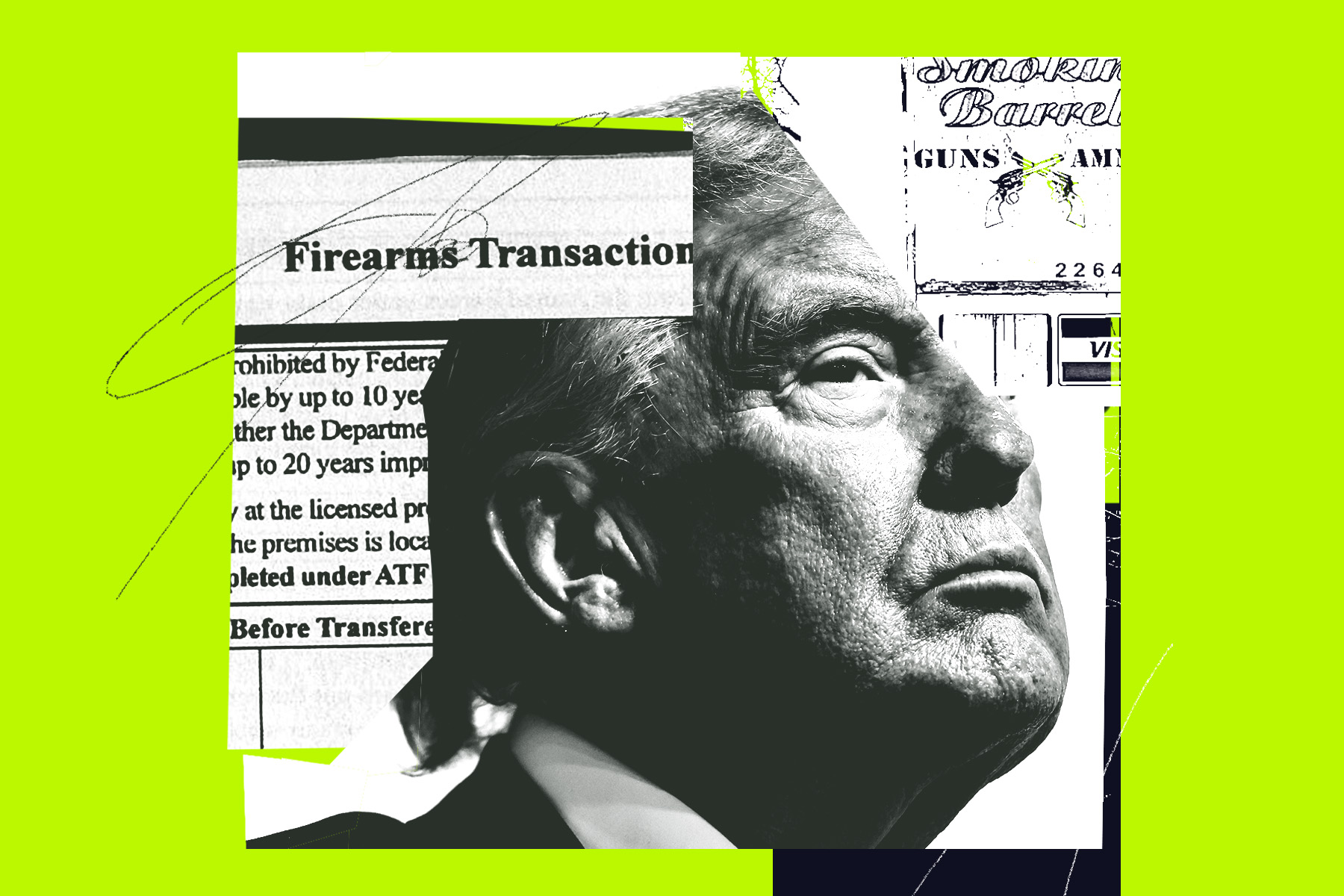
Trump rolls back ATF gun trafficking enforcement, former inspector sounds alarm
A veteran federal firearms inspector who spent two decades tracking illegal gun sales has warned that the Trump administration's dismantling of Biden-era anti-trafficking measures will fuel violent crime — though the full impact may not emerge for years.
According to propublica.org, Marianna Mitchem joined the Bureau of Alcohol, Tobacco, Firearms and Explosives (ATF) after watching her high school soccer opponents at Columbine High School become victims of the 1999 massacre the following day. She rose to associate assistant director for industry operations before leaving the agency last spring, after 21 years. She has since joined Everytown, the gun-safety organisation founded by Michael Bloomberg.
"Just because no one is watching the trafficking pipelines right now doesn't mean guns aren't flowing through it. It just means they're not being intercepted," Mitchem told ProPublica.
From 'zero tolerance' to open door
In June 2021, the Biden administration introduced what became known as the "zero tolerance" policy: firearms dealers found to be wilfully violating the law would lose their licences without exception. The measure targeted a well-documented pattern — data had long shown that a disproportionate share of guns used in shootings originated from a small fraction of licensed dealers, and that trafficked weapons were far more likely to end up at crime scenes.
The policy produced measurable results. Licence revocations climbed from fewer than 50 per year in 2019, 2020 and 2021 to a record 181 in 2023. Attorney General Merrick Garland also directed federal prosecutors to prioritise gun violence cases, and in 2022 Congress added a firearms trafficking conspiracy charge to the federal criminal code — a significant new prosecutorial tool.
The Trump administration moved swiftly to undo those changes after taking office. It repealed the zero-tolerance policy and went further, inviting dealers whose licences had already been revoked to reapply for new ones. Hundreds of ATF agents were reassigned to immigration enforcement duties. Prosecutions for gun trafficking were scaled back. The White House declined to comment on the policy shifts, referring questions to the ATF and the Department of Justice.
The pipeline problem
Criminologists and former enforcement officials warn that the consequences of pulling back on trafficking enforcement are not immediate. Research cited by ProPublica shows that the typical "time to crime" for trafficked firearms ranges up to roughly three years — meaning that any beneficial effect of the Biden-era crackdown is still working its way through the system, while any harm from the current rollback lies ahead.
"As you walk away from that, and you don't have your focus on that anymore, that pipeline is going to be flowing, and we are going to start to see the violent crime impact from that over time," Mitchem said.
Estimates place the total number of firearms in the United States at close to 400 million. Of the 2.3 million guns traced from crime scenes between 2017 and 2023, half had been purchased within three years of being recovered, and 87% were found in the possession of someone other than the original legally authorised buyer. An Everytown analysis of ATF data found that licensed stores sold roughly 1.3 million guns to traffickers during that same period — weapons that were subsequently recovered at crime scenes.
A political no-man's-land
The ATF has long operated in an uncomfortable political space. Conservative politicians who favour tough-on-crime rhetoric frequently face tension when it comes to gun trafficking: pursuing dealers and traffickers requires enforcing gun laws that many conservatives regard as sacrosanct. Liberals, meanwhile, generally support tighter enforcement but can be conflicted by a broader preference for less punitive approaches to lawbreaking.
The homicide rate did fall further in 2024, but criminologists caution against complacency. The decline follows a broader trend that includes pandemic-era social recovery and improved police-community relations following the 2020 murder of George Floyd — factors that researchers say contributed alongside the anti-trafficking enforcement push.
Mitchem, who described the Biden years as a period of "incredible progress on trafficking, on violent crime," said the reversal prompted her departure from the agency she had served since the early 2000s. Her warning is direct: the absence of surveillance does not mean the flow of illegal weapons has stopped.
"We are going to start to see the violent crime impact from that over time," she said.
Source: Google News MT — Crime (en)