Top Court Curtails Digital Dragnet Used to Track Suspects Near Crime Scenes
The Supreme Court has tightened rules around a law enforcement technique that scoops up location records from tech firms to find people present when offenses occur, returning a Virginia holdup matter to trial judges for further constitutional review.
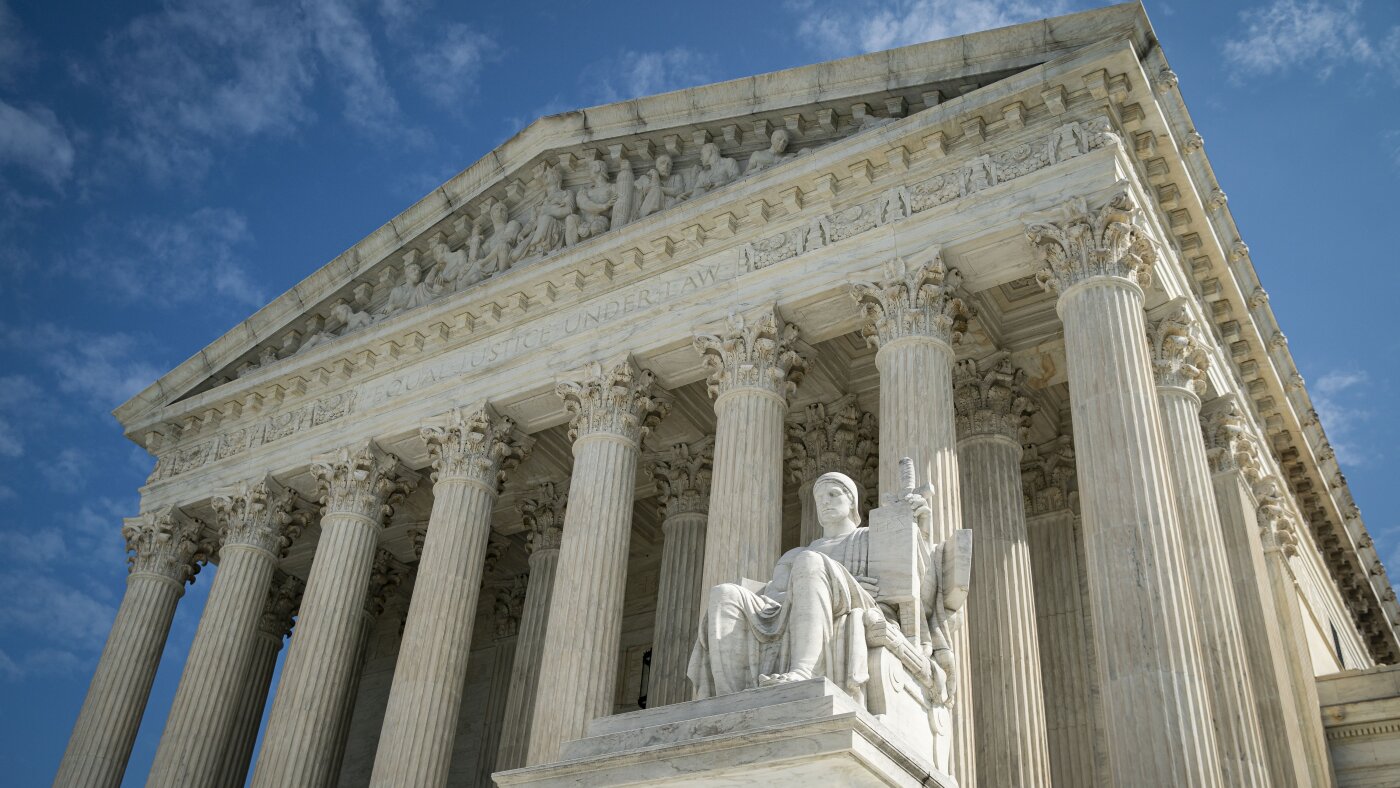
Top Court Curtails Digital Dragnet Used to Track Suspects Near Crime Scenes
Federal judges have tightened oversight of a policing method that pulls cellphone location archives from Silicon Valley databases to catch perpetrators.
By a 6-3 margin, the justices returned a Virginia holdup prosecution to trial-level judges to weigh whether the digital sweep satisfied constitutional limits against arbitrary official intrusion, NPR reported.
The matter began near Richmond, where an armed thief made off with $195,000 from a financial branch. With the investigation stalled after sixty days, detectives secured judicial approval to demand that a major search firm comb its archives for handsets inside a virtual perimeter drawn around the target building during a two-hour window bracketing the offense.
The firm first flagged nearly two dozen account holders inside the zone. After pushing back, it handed over a trio of names. Officers visited one residence and recovered a weapon resembling the one on surveillance recordings plus cash totaling just under six figures. The occupant, Okello Chatrie, later pleaded guilty and received conviction.
Counsel for the accused argued the tactic tramples safeguards because it lets agents cast a net over masses of innocent bystanders before forming any basis for suspicion. Millions of customers had their movements scrutinized despite no connection to wrongdoing.
Prosecutors responded that consumers freely surrender whereabouts to corporations, stripping that information of shielding under the nation's foundational charter.
Writing for the prevailing side, Justice Elena Kagan declared that constitutional barriers against unwarranted state penetration of personal affairs remain vital in the modern era.
Justice Samuel Alito objected, denouncing the outcome as reckless grandstanding on privacy issues.
The decision stops short of prohibiting location-based warrants entirely. Instead, district tribunals must now assess whether each request clears the threshold of reasonableness demanded by the Fourth Amendment.
Source: NPR National