Supreme Court Lets Excessive Force Case Against Ex-LAPD Officer Move Forward
The nation's highest court refused to stop a lawsuit against a former Los Angeles police officer over a 2020 fatal shooting, setting up a jury trial.
Supreme Court Lets Excessive Force Case Against Ex-LAPD Officer Move Forward
The nation's highest court refused on Monday to stop a lawsuit against a former Los Angeles police officer over a 2020 fatal shooting, setting up a jury trial.
The justices turned down an appeal from city lawyers, though two conservative members of the bench publicly objected. The case will now proceed to trial after more than six years of legal wrangling.
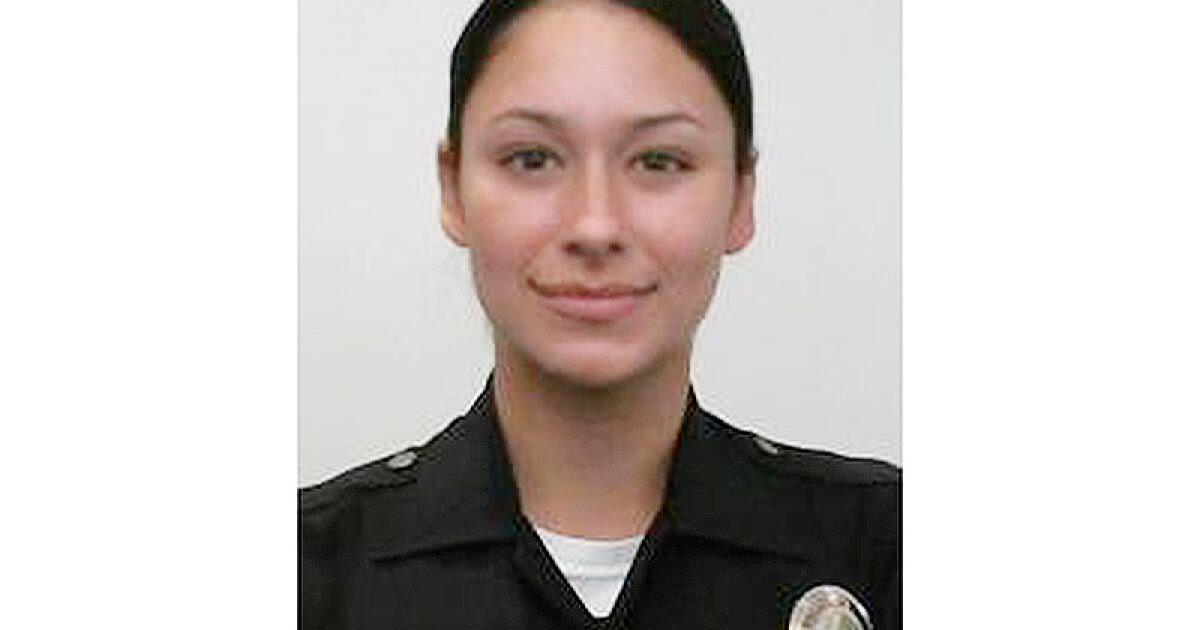
The incident occurred in April 2020, when a man crashed his pickup into several automobiles near downtown Los Angeles. He exited his vehicle holding a blade while apparently under the influence of stimulants. A female officer on the scene repeatedly commanded him to drop the weapon as he advanced toward her.
A federal appeals panel in California ruled last year that the officer acted properly with her initial volley but may have crossed a line with her final shots after the suspect had already fallen. The divided 6-5 decision held that a brief gap between rounds gave her time to reassess whether the man still posed a danger.
The majority opinion noted that legal precedent has long held that once a suspect is downed, an officer cannot keep firing absent clear signs of continued peril. A jury could reasonably conclude that shooting a prone individual armed only with a bladed tool constituted unconstitutionally excessive force, the panel found.
Five judges disagreed, arguing that the officer made a reasonable snap judgment during a volatile, dangerous encounter. They emphasized that reviewing recorded footage years later in slow motion does not capture the pressure officers experience in real time.
The city's legal team had asked the Supreme Court to reverse the appeals ruling, contending that judges should evaluate the entire situation from the viewpoint of a reasonable officer in the moment rather than parsing individual seconds of video.
The case now heads to a jury, which will weigh whether the officer is protected by qualified immunity—a doctrine that typically shields law enforcement from personal liability unless they clearly breach established constitutional standards.
A prominent law school dean represented the deceased man's relatives and successfully argued that factual disputes should be resolved by jurors, not judges.
Source: Los Angeles Times
Source: Google News MT — Crime (en)