U.S. Supreme Court halts Alabama nitrogen execution at eleventh hour
The Supreme Court blocked Alabama from carrying out a nitrogen gas execution after a lower court ruled the method likely unconstitutional.
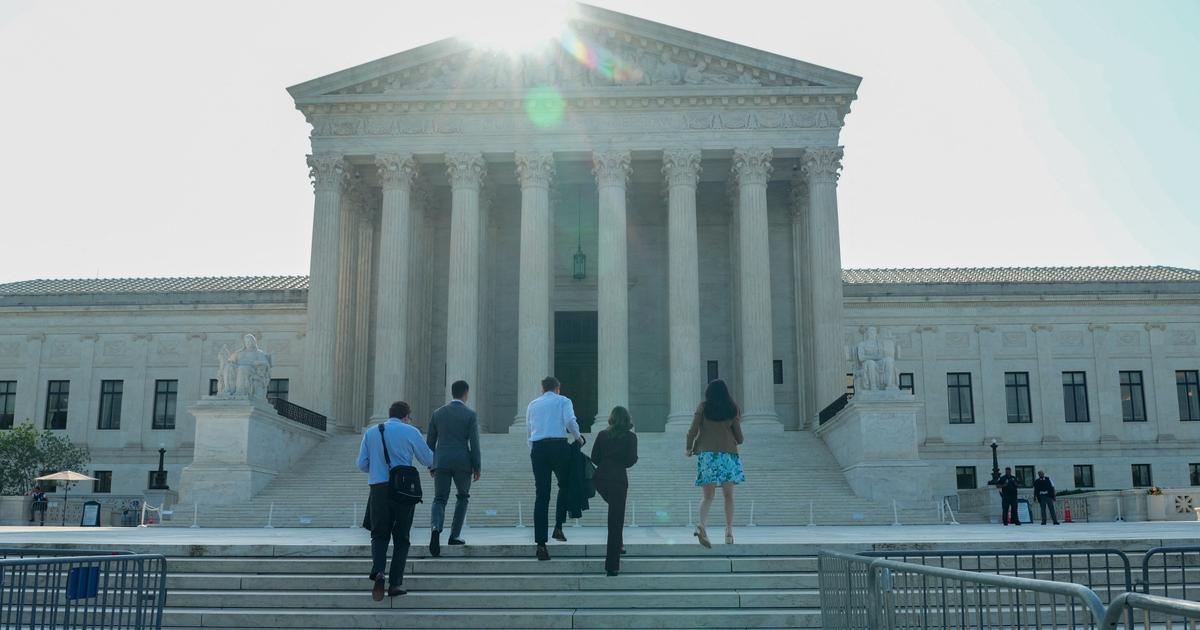
U.S. Supreme Court halts Alabama nitrogen execution at eleventh hour
The United States Supreme Court intervened Thursday evening to stop the state of Alabama from putting a prisoner to death by nitrogen inhalation, a method a federal court had previously deemed likely unconstitutional.
Jeffery Lee, 49, had been scheduled to die for the 1998 killings of two people during a home invasion. The technique involves forcing pure nitrogen gas through a mask placed over the condemned person's face, causing death by suffocation.
A federal court had ruled against the use of nitrogen on Tuesday. Alabama appealed that ruling to the Supreme Court. In an unsigned emergency order issued Thursday night, the nation's highest court stated: "The application for stay or vacatur... presented to the Court is denied." No reasoning was provided, which is standard practice for decisions made on an emergency basis.
United Nations experts have condemned nitrogen inhalation as cruel and inhumane. Last year, five prisoners were executed using this method across the United States, out of 47 total executions recorded nationwide. Alabama carried out five executions in 2025, tying with South Carolina and Texas. Florida led all states with 19 executions.
Lethal injection remains the most widely used method, accounting for 39 of last year's executions. The death penalty has been abolished in 23 of the 50 U.S. states. Three additional states currently observe a moratorium. President Donald Trump is a vocal supporter of capital punishment, advocating its broader application for the "worst crimes." Source: Le Figaro
Source: Google News LU FR