Golden Gate Bridge Shutdown Protesters Face Up to 15 Years in Prison
Seven activists who blocked the Golden Gate Bridge for four hours in 2024 are on trial in San Francisco, facing felony charges and up to 15 years in prison.
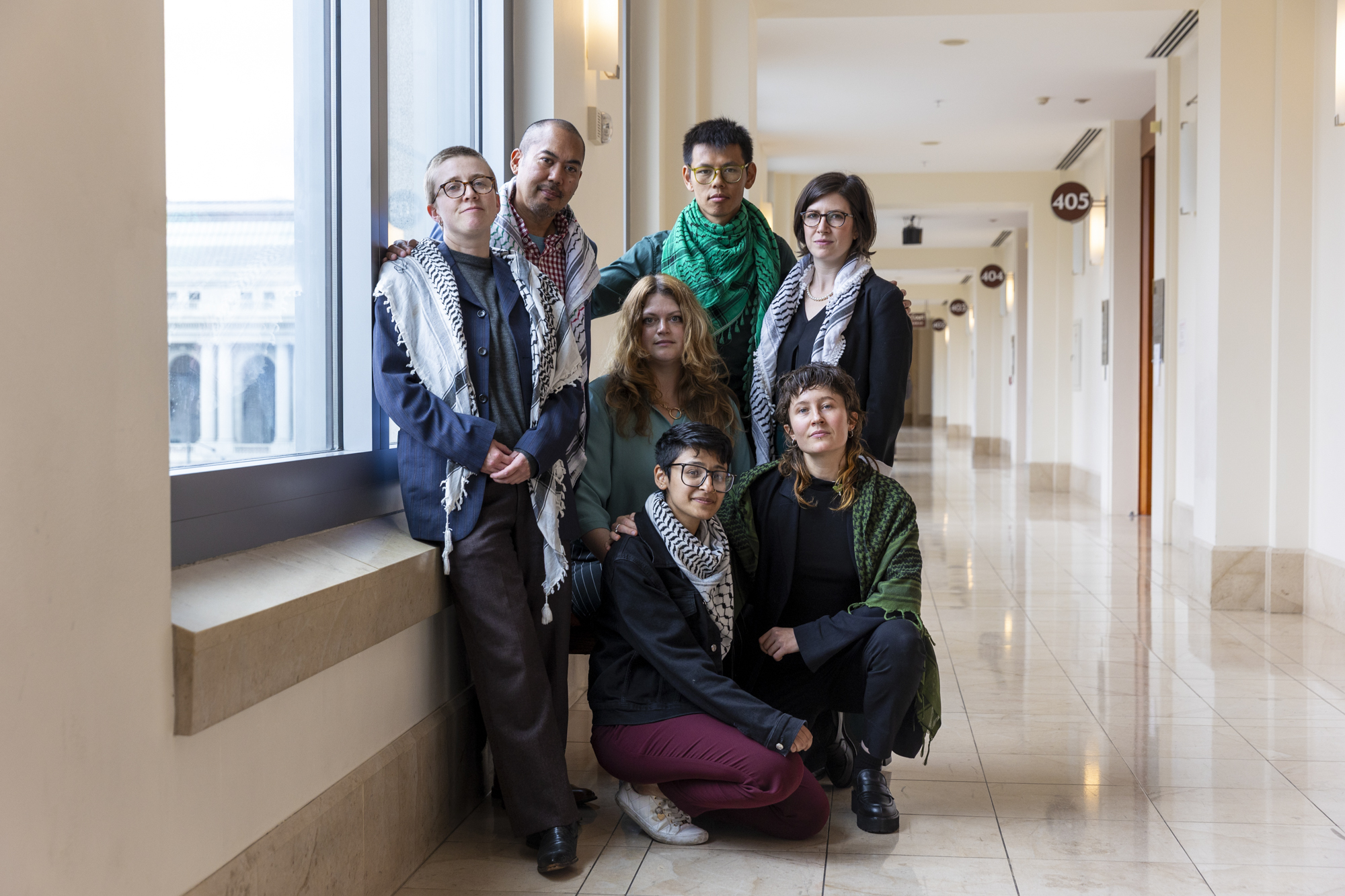
Golden Gate Bridge Blockade Trial: Activists Invoke Necessity Defense
Seven pro-Palestinian activists who shut down the Golden Gate Bridge for four hours in April 2024 took the stand in San Francisco on Friday, arguing their actions were legally justified to prevent greater harm, kqed.org reports. The defendants face felony conspiracy charges and multiple misdemeanors that could result in sentences of up to 15 years in prison.
Conrad de Jesus, one of the seven defendants, testified publicly for the first time about his role in the April 15, 2024, protest. "I believed that it was an emergency; we needed to act very quickly," he told the court. De Jesus said he had already attended marches and written to his U.S. representative before concluding that more disruptive action was necessary.
The demonstration brought southbound traffic on the bridge to a standstill when protesters chained themselves to parked vehicles and to each other across the lanes. The action was part of a coordinated multi-city effort that also disrupted traffic on Interstate 880 in Oakland and included similar protests in San Diego, Seattle, Philadelphia, San Antonio, Chicago and Tallahassee, Florida.
Prosecution: A Clear Violation of the Law
The San Francisco District Attorney's Office contends the defendants deliberately planned to block traffic and trap commuters. Assistant District Attorney Angela Roze pressed de Jesus during cross-examination about a call he received the day before the protest, in which a contact told him where to meet the following morning. She sought to establish a record of conspiracy by showing that participants coordinated their roles in advance.
Sara Cantor, who faces the steepest sentence of the group — up to 15 years — for serving as the protest's "police liaison," testified that the demonstrators finalized their target during a planning meeting in West Berkeley the night before the action. Roughly 50 people attended, including all defendants except de Jesus, and participants volunteered for specific roles. The remaining six defendants each face up to 14 years.
Witnesses called earlier in the week described being stranded on the bridge for hours, missing work shifts and going without access to bathrooms or water. Regina Schneider testified she had been driving from Marin County to San Francisco for a doctor's appointment and was left anxious and short of breath while sitting in traffic.
Defense: Necessity and Exhausted Alternatives
Defense attorneys are pursuing a necessity defense, which requires showing that the activists believed they faced a real, specific and imminent threat; had no reasonable alternative available; did not create a greater danger than the one they sought to avoid; and did not contribute to or cause the threat in the first place.
De Jesus testified that at the time of the protest, Israel was debating whether to invade Rafah, a city in southern Gaza where roughly one million displaced Palestinians had sought refuge. "We knew there were talks in the Israeli government to attack Rafah, and we knew it was a good time to take action," he said. He added that while he understood commuters' frustration, he believed the disruption was justified "because it was to prevent a greater evil. I believed that, in doing so, we would be saving lives."
Cantor said she believed the coordinated day of action had the potential to be more impactful than any individual protest and described herself as a "lightning rod" in the operation. "It felt important for me to try to keep people safe, and I knew as a white woman, I am typically treated with respect by the police," she testified.
Harsher Charges Than Prior Bridge Protests
The felony conspiracy charge is among the most serious ever brought against activists involved in comparable demonstrations. By contrast, dozens of pro-Palestinian protesters who blocked westbound traffic on the Bay Bridge in November 2023 faced only misdemeanor charges and reached a plea agreement with the San Francisco DA's office that allowed them to avoid jail time.
Defense attorneys asked a judge last year to downgrade the felony charges to misdemeanors, arguing that the defendants had been overcharged and targeted for their political beliefs. The judge rejected that request and allowed the charges to stand.
Of the broader group, which calls itself the "Golden Gate 26," charges against 19 other participants have been dropped or dismissed over the past year and a half. Sixteen defendants' cases were dismissed outright. The seven remaining defendants are now the focus of the ongoing trial.
The case centers on a fundamental legal question: whether sincere belief in the urgency of a political crisis can justify actions that restricted the movement of thousands of commuters on one of the country's most heavily traveled bridges.
Source: NYT US News