How Drug Cartels Infiltrated the British Virgin Islands' Political System
A long-running investigation reveals how narcotics networks exploited post-hurricane chaos to embed themselves within the highest levels of government in the British Virgin Islands.
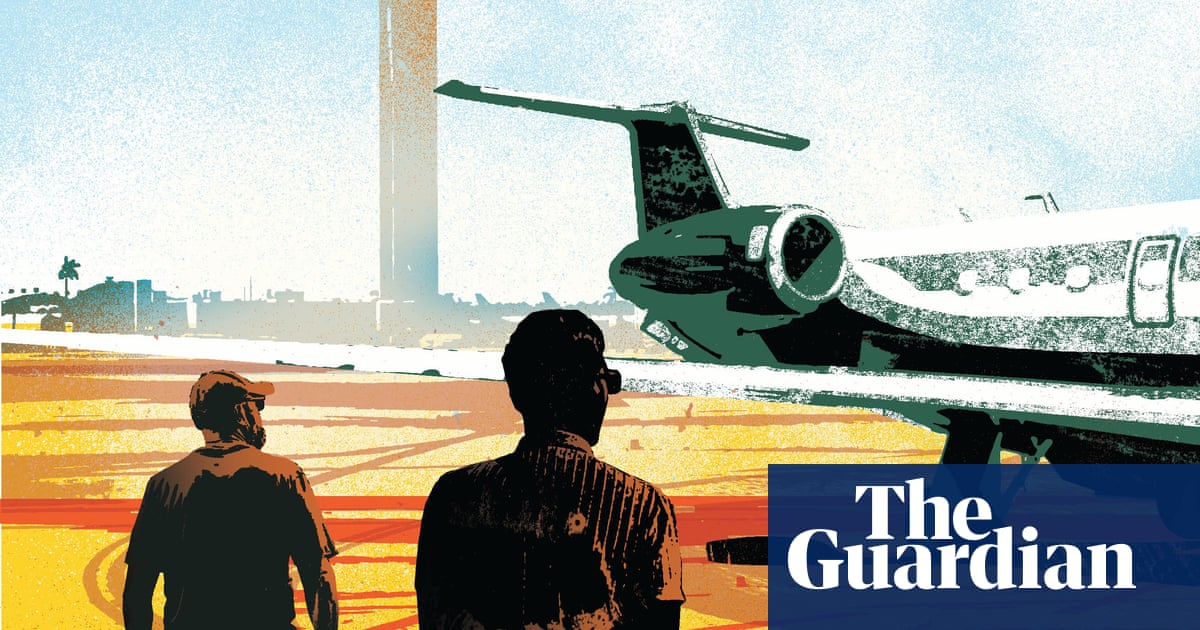
How Drug Cartels Infiltrated the British Virgin Islands' Political System
The British Virgin Islands, a tiny Caribbean territory dependent on Britain, found its political foundations shaken when narcotics organizations managed to penetrate its leadership ranks following one of the most destructive Atlantic storms on record.
In September 2017, Hurricane Irma slammed into Tortola, the territory's most populous island, flattening roughly 80 percent of structures and displacing approximately half of the 30,000 residents. The financial toll exceeded the islands' entire economic output. Rebuilding efforts became mired in conflict between local elected officials and Augustus Jaspert, the British-appointed governor who had arrived merely two weeks before the disaster.
According to a detailed account published by The Guardian, British authorities insisted that reconstruction funds be monitored by an independent body to guard against graft. Several ministers viewed this as an infringement on their autonomy, and the resulting deadlock meant impoverished islanders waited longest for assistance.
Frustration with the sluggish recovery produced a dramatic political shift in February 2019. Voters handed a sweeping victory to the Virgin Islands Party under Andrew Fahie, who campaigned on a platform of independence from British oversight. Fahie, a physically imposing figure with a shaved head and goatee, projected an image of religious conviction and populist energy at public gatherings.
What Jaspert did not anticipate was that Fahie's tenure would prove more damaging than the hurricane itself. The new premier's administration became entangled with drug trafficking interests, culminating in Fahie's arrest during a US Drug Enforcement Administration sting in 2022. Federal agents caught him agreeing to protect cocaine shipments through BVI waters in exchange for payments.
The territory's vulnerabilities made it an attractive target for criminal networks. Its position along established Caribbean trafficking corridors, combined with weak institutional oversight and post-disaster administrative breakdown, created openings that narcotics groups systematically exploited. The constitutional tension between locally elected leaders and London's representative provided additional cover for corrupt dealings.
Seven years after Irma, evidence of the storm's unequal aftermath remains visible in Road Town, where a ruined apartment complex still stands opposite government offices. The physical scars of the hurricane have faded more slowly than the political wounds it exposed, as the territory grapples with how criminal elements managed to operate from within its highest offices.
Fahie's downfall has intensified debates about the BVI's constitutional relationship with Britain and whether stronger safeguards are needed to prevent future infiltration of government by organized crime. The case has drawn international attention to how natural disasters can accelerate governance failures that traffickers are quick to exploit.
Source: Google News VG — Crime