Convicted felon Brett McClafferty seeks VI Senate seat despite federal eligibility ban
St. Thomas businessman Brett McClafferty, with felony convictions in Ohio, confirmed under oath he plans to run for the Virgin Islands Legislature. Federal law bars convicted felons from the seat.
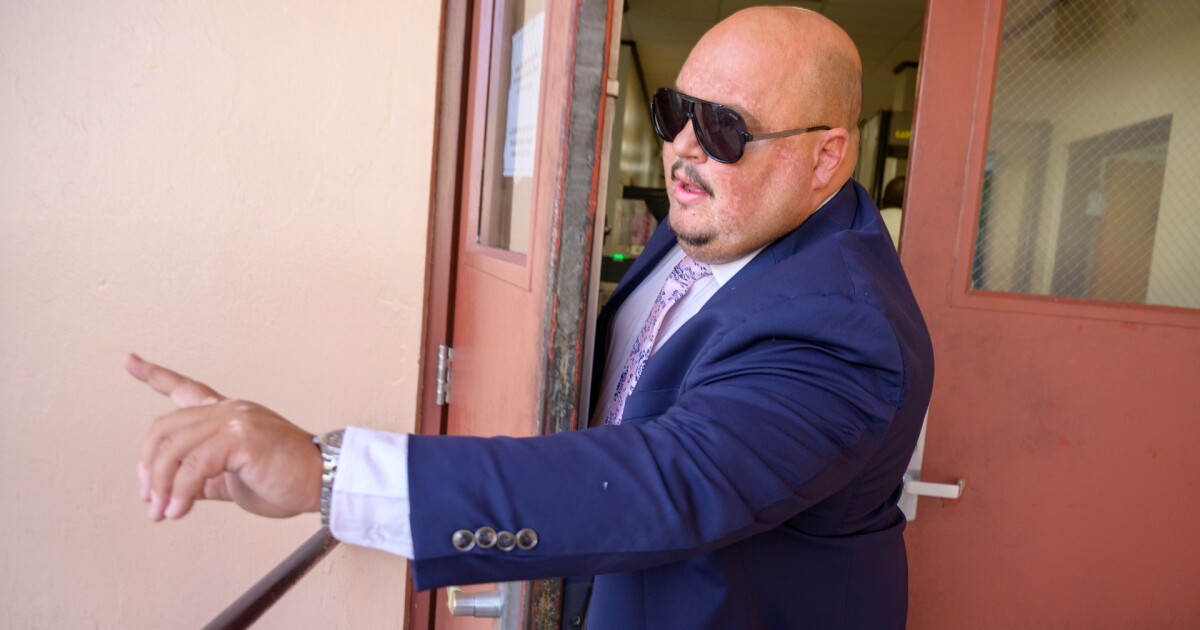
St. Thomas businessman with felony record eyes Virgin Islands Senate seat
St. Thomas businessman Brett "Mac" McClafferty confirmed under oath during a Superior Court hearing that he intends to run for a seat in the Legislature of the Virgin Islands, newsfeed.wtjx.org reports. McClafferty, 37, previously served more than three years in prison following multiple felony convictions across several northeast Ohio counties and currently faces fraud charges in the Virgin Islands. Under the Revised Organic Act of 1954 — the territory's governing federal statute — convicted felons are barred from holding legislative office unless their civil rights have been restored through a pardon.
Four days before the hearing, McClafferty posted a video to the popular Facebook group "What's Going on St. Thomas." In the footage, he holds a DJ microphone and a drink while standing among what appear to be young Latino men. "My name is Mac McClafferty. I'm running for Senate, and I'm gonna promise you one thing: I will be a senator for the people of Español — of people that are Spanish, whether it is the Dominican Republic, whether it is Puerto Rico, whether it is Venezuela," he says in the video. The post carries the captions "I think people forget Italians are also Latin" and "¡Te cubro la espalda!" — Spanish for "I've got your back."
Federal law sets clear eligibility threshold
Section 6(b) of the Revised Organic Act of 1954, codified in Title 48, Section 1572(b) of the U.S. Code, states that no person convicted of a felony or a crime involving moral turpitude is eligible to serve in the Virgin Islands Legislature unless pardoned. Based on that provision, McClafferty would require a pardon from Ohio's governor before he could legally take office.
Supervisor of Elections Caroline Fawkes said her office relies on local records when reviewing candidate eligibility, adding that verifying convictions from outside the territory presents a practical challenge. "If we do not know, then some people may slip in under the radar," Fawkes said. She noted that the Elections System of the Virgin Islands receives criminal records only from Virgin Islands courts. Fawkes said candidates must swear under oath on nomination petitions that the information they provide is truthful, meaning disclosure of past convictions largely depends on the candidate. She added that Elections System officials could examine the matter if they became aware of a felony conviction.
Ohio court record spans multiple counties
Court records detail a series of convictions across northeast Ohio. A Geauga County grand jury indicted McClafferty in 2015 on charges including engaging in a pattern of corrupt activity, forgery, and grand theft. He later pleaded guilty to passing bad checks, a fourth-degree felony, and was placed on probation.
After prosecutors alleged he violated probation, a Portage County Court of Common Pleas jury found him guilty in 2018, in an unrelated case, of two counts of forgery and one count of theft — all fifth-degree felonies. The court imposed consecutive one-year prison sentences for the forgery convictions. When the Geauga County court subsequently addressed his probation violation, it added an 18-month sentence to run concurrently.
In Summit County, Ohio, McClafferty pleaded guilty to grand theft and possession of cocaine. The court ordered him to serve one year on the grand theft charge and seven months on the cocaine charge, with both sentences to run consecutively to each other and to sentences imposed in three other counties.
Ponzi scheme allegations and recent arrest in the Virgin Islands
Since relocating to St. Thomas, McClafferty — describing himself as a private equity investor — has been named as a defendant by more than a dozen plaintiffs across multiple local and federal civil lawsuits. The suits allege he operated a Ponzi scheme through his firm, Mac Private Equity, and its subsidiary, MPE Clearing & Holdings Inc. Plaintiffs allege he solicited investments by promising high returns, then failed to repay investors, instead using funds from new investors to pay earlier ones.
McClafferty was arrested in the Virgin Islands last month on a warrant accusing him of multiple financial crimes tied to alleged fraudulent banking transactions. According to the Virgin Islands Police Department and the VI Department of Justice, he was taken into custody on February 21 on charges including grand larceny and forgery connected to an alleged $888,500 scheme involving counterfeit checks and returned bank drafts.
The Police Department's Economic Crime Unit launched its investigation in June 2024 after Banco Popular de Puerto Rico reported suspicious activity. Investigators said McClafferty deposited counterfeit or fraudulent checks drawn on entities in the British Virgin Islands and issued bank drafts from a Discover account that were subsequently returned due to stop-payment requests or insufficient funds. Police identified at least 12 transactions totalling approximately $888,500, with funds allegedly withdrawn or transferred to third parties before the instruments came back unpaid.
McClafferty has denied wrongdoing. He filed a $10 million lawsuit against Banco Popular de Puerto Rico and asked Governor Albert Bryan Jr. to investigate what his attorney described as misconduct by bank officials and law enforcement.
Source: Google News VG — Crime