Fraudulent letter instead of card activation: new banking scam spreading from Europe to Czechia
A new type of fraud exploiting fake letters about payment card activation is spreading across Europe. Experts warn that the threat will soon reach Czechia as well.
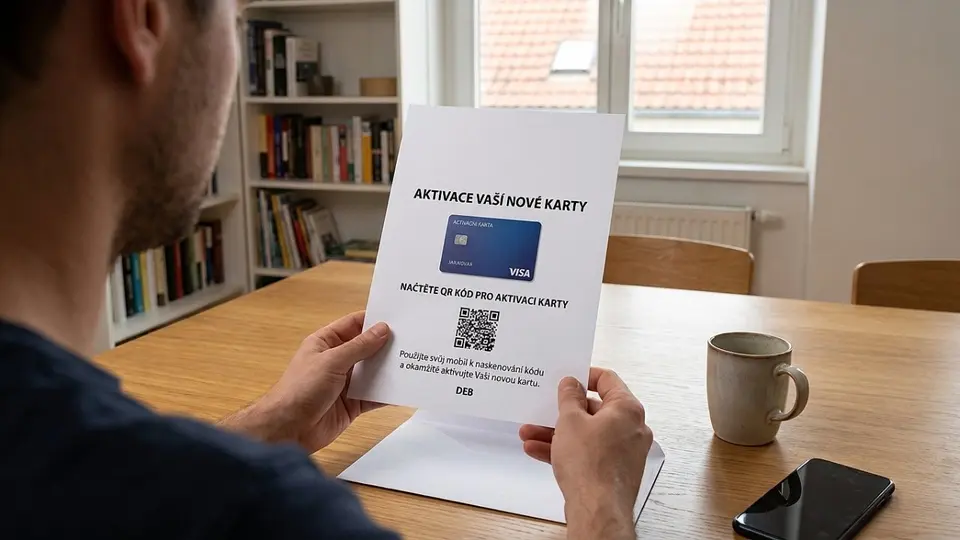
False card activation as a pretext to drain a bank account
Customers of European banks in France and Portugal are becoming victims of a new fraud scheme that, according to experts, could affect Czech customers in the foreseeable future. As archiv.hn.cz reports, attackers are sending letters posing as official bank communication, in which recipients are asked to activate a new payment card — in reality, it is a trick aimed at obtaining login credentials to a bank account.
The mechanism of the fraud is similar to previous, well-documented variants: once the victim enters their login credentials on a fraudulent website or otherwise reveals them to the attackers, the attackers drain the funds in the account. The novelty lies in the form of initial contact — instead of a phishing email, a physical letter arrives, which appears more trustworthy.
Sophistication as the main weapon
Security experts warn that it is precisely the apparent authenticity of these letters that makes them dangerous. Meticulously prepared graphics, correct letterheads and language reminiscent of genuine bank correspondence reduce recipients' vigilance.
Similar fraud targeting bank customers in Czechia is growing in intensity year on year. According to available figures cited by archiv.hn.cz, not only is the number of reported cases increasing, but the average amount of stolen financial resources is rising significantly.
What to do if you receive a suspicious letter
Although a bank may occasionally send physical correspondence, a request to activate a card by logging in via a link provided in the letter should raise immediate suspicion. Customers in such a case should contact their bank directly — using the telephone number on the back of their card or on the official website — and verify whether the communication is legitimate.
Source: Google News CZ — Crime (cs)