Former Sánchez driver testifies before National Court in Hydrocarbons case
Cristian Corvillo acknowledged attempted business dealings with Aldama that did not come to fruition. His brother Rubén also testified about his link to Salamanca Fuel.
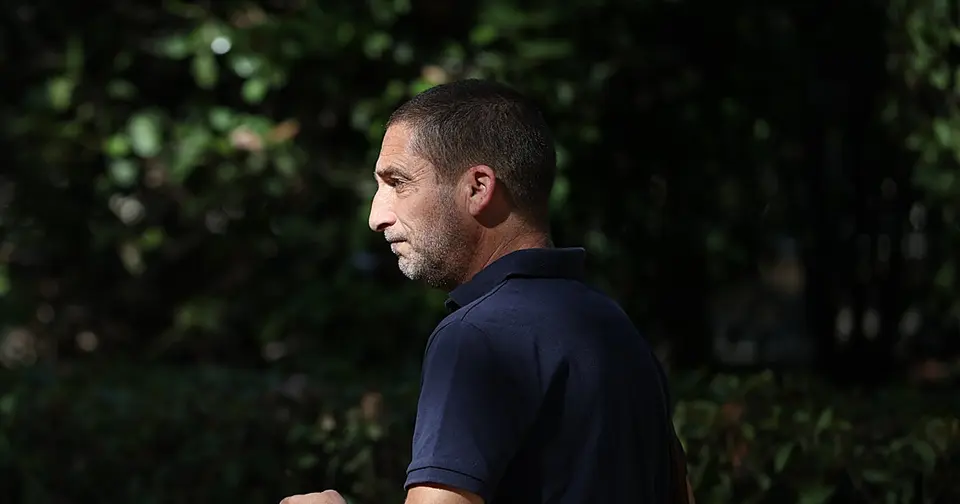
Former Sánchez driver admits contacts with Aldama without reaching agreements
Cristian Corvillo, who was the driver of Government President Pedro Sánchez, appeared on Thursday before judge Santiago Pedraz of the National Court as a witness in the case investigating the Hydrocarbons affair. According to legal sources consulted by ABC, Corvillo acknowledged having attempted to promote business dealings with businessman Víctor de Aldama—identified as one of the alleged ringleaders of the scheme—without any of those projects coming to fruition.
Among the matters that Corvillo addressed in his statement was his involvement in an operation linked to the La Alcaidesa chalet, a property that investigators consider a presumed quid pro quo provided by those under investigation to former minister José Luis Ábalos. The witness described that operation as a possible business opportunity, although he claimed to be unaware of who the final client was and specified that the transaction also did not close.
Meetings with Ábalos and presence of Koldo García
Corvillo also referred during his statement to several meetings he held with Ábalos when the latter was serving as secretary for Organisation of the PSOE. The former driver indicated that those meetings concerned internal party matters and that Ábalos's then adviser, Koldo García, was present in them. According to his testimony, no other person participated in those meetings and matters related to the tax fraud being investigated were never discussed.
Corvillo's brother also testifies
On the same Thursday, Judge Pedraz heard from the former driver's brother, Rubén Corvillo, who testified to having worked with Salamanca Fuel, one of the companies identified as key in the alleged scheme. Rubén limited his connection to carrying out two office refurbishments for that company.
Both brothers testified within the framework of the investigation into an alleged fraud of more than 200 million euros in hydrocarbons VAT that would have been executed between 2021 and 2024. Businessmen Claudio Rivas and Víctor de Aldama are among those charged in this case.
Background: offer of straw man and Senate commission
In December last year, businessman José Fernández Rosado, also investigated in the case, stated that Cristian Corvillo had proposed to him acting as a straw man for Espaeventos, another of the companies under investigation, in exchange for a sum of money that he ultimately never received.
Corvillo was also called the previous year by the People's Party to the Senate's investigative commission on the so-called 'Koldo case'. On that occasion he claimed to be unaware of "the exact position" that investigators attribute to him in the alleged corruption scheme and refused to answer questions from parliamentary groups.
Hazte Oír requested the appearances
The organisation Hazte Oír, which exercises the public prosecution in the Hydrocarbons case, was the one that urged the judge to summon both brothers as witnesses. The entity argued that the Corvillos were "presumed direct witnesses to various facts" being investigated, and noted that, through Corvillo Energy—a company represented by Rubén—, both incorporated themselves into the shareholding of the holding companies that, according to Aldama's own confession recorded in telephone intercepts, managed the assets supposedly derived from the fraud.
The Anti-Corruption Prosecution backed those appearances, although it requested that questions be limited to the Corvillos' relationship with the operations being investigated for alleged tax fraud on hydrocarbons and with the companies linked to it, without extending to the 'Koldo case'.
For its part, the European Public Prosecutor's Office informed the judge on Thursday that Aldama may have channelled money from his companies to Portugal in order to evade the payment of hydrocarbons VAT.
Source: ABC