Illinois Supreme Court to Rule on Public CPD Discipline Hearings, 31 Cases on Hold
The Illinois Supreme Court will hear oral arguments on 24 September on whether serious Chicago police misconduct cases must be held in public. Thirty-one cases, including three linked to civilian deaths, remain suspended pending the ruling.
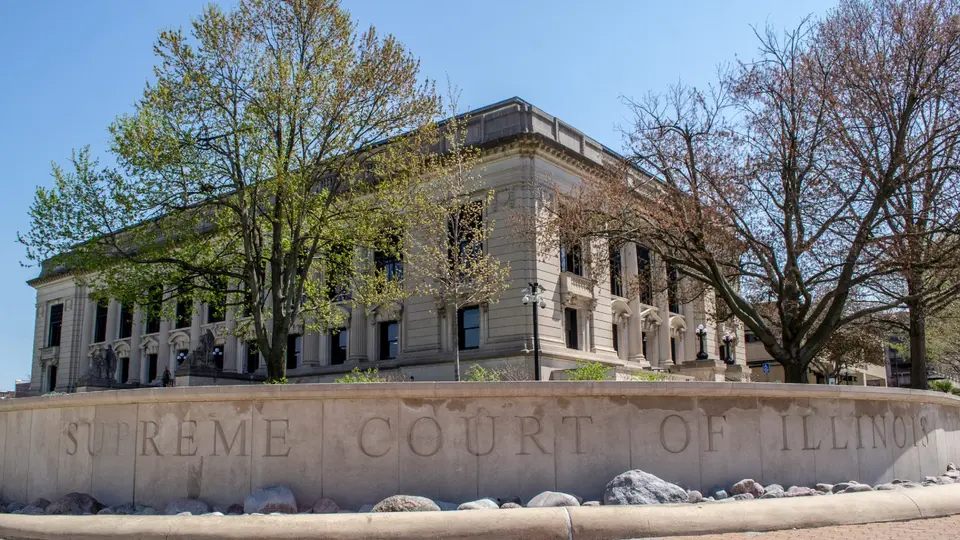
Illinois Supreme Court to decide fate of Chicago police disciplinary hearings
Google News MT — Crime (en) reports that the Illinois Supreme Court will hear oral arguments at 9 a.m. on 24 September on whether Chicago police officers accused of serious misconduct can request that an arbitrator — rather than the Chicago Police Board — decide their cases in private proceedings.
The question has paralysed a disciplinary system Chicago relied on for 60 years. For the past two and a half years, the process has been frozen amid a legal dispute between the city and the Fraternal Order of Police, the city's largest police union.
Thirty-one cases remain in limbo as a result. Three of those cases seek to terminate officers connected to the deaths of Chicago residents, including the officer who shot and killed 13-year-old Adam Toledo in 2021.
The most recent officer facing termination is Joseph Vecchio, whom former Chicago Police Department Superintendent Larry Snelling and the Chicago Police Board found had made false statements under oath in connection with two separate traffic stops. Four additional officers face lengthy suspensions or termination for using excessive force against members of the public.
In August 2025, an appeals court upheld Cook County Judge Michael Mullen's March 2024 ruling that allowing cases that could result in dismissal or suspensions exceeding one year to take place behind closed doors runs "against a dominant and well-defined public policy." That ruling rejected the Fraternal Order of Police's demand that an arbitrator resolve serious misconduct allegations in private, while affirming the union's broader challenge to the existing disciplinary framework.
The distinction between the two forums is significant. The Chicago Police Board holds its meetings in public and accepts input from residents; arbitration proceedings are traditionally conducted behind closed doors and are not subject to public scrutiny.
The Supreme Court will also rule on a separate but related question: whether the city can suspend pay for officers accused of serious misconduct while disciplinary proceedings remain ongoing. Five of the court's seven members are Democrats.
Police Board President Kyle Cooper said he welcomed the scheduling of oral arguments.
"Whatever the Illinois Supreme Court decides, the Board remains ready to do its job: hear the evidence, apply the law, protect the rights of accused officers, hold officers accountable for proven misconduct, and give the public confidence that the most serious police disciplinary cases are decided fairly and on their merits," Cooper said in a statement.
Cooper has spent more than a year urging officers to allow the Police Board to adjudicate their cases. Only two officers have agreed; both were subsequently convicted of criminal offences and are barred from continuing to serve as law enforcement officers.
"Officers should not have to spend years with serious charges hanging over them," Cooper said. "Alleged victims should not have to wait years for resolution. And Chicago residents should not have to wait years to learn whether serious allegations against a public servant have been proven."
The Law Department and the mayor's office did not respond to a request for comment.
Fraternal Order of Police President John Catanzara argued that the right of public sector employees to have misconduct allegations resolved by an arbitrator in private is firmly established in state law.
"If the city and state legislature would like to rescind the law and give police the right to strike, we will drop the appeal immediately," Catanzara said.
Once the court issues its ruling, city officials are expected to need several additional months to establish a new system capable of working through the accumulated backlog of cases.
Source: Google News MT — Crime (en)