Eight officials arrested in Ecuador for network that covered for Albanian drug lord Dritan Rexhepi
The Interior Minister announced the dismantling of a network of seven doctors and one SNAI official who allegedly falsified records to cover for Albanian drug boss.
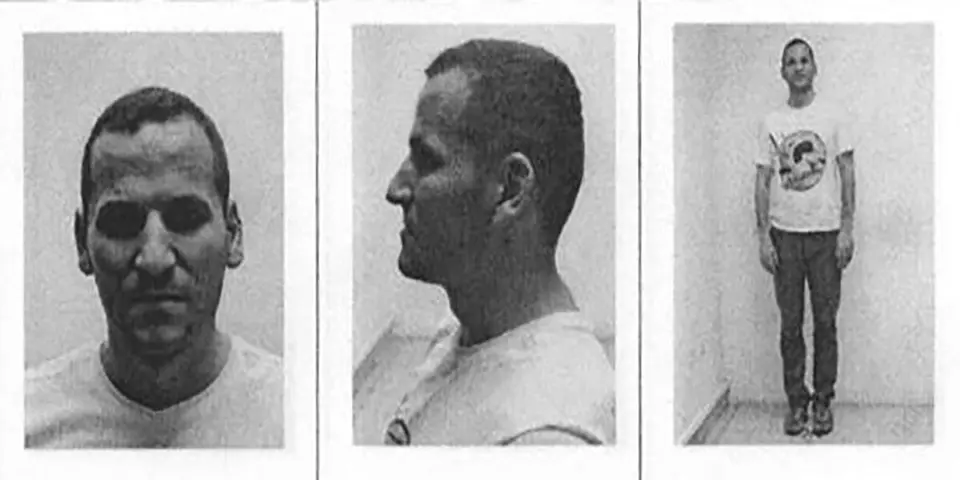
Network of Ecuadorian officials allegedly covered for Albanian "Cocaine King"
According to reporting by eluniverso.com, Ecuador's Interior Minister John Reimberg announced on Monday, 21 September, the dismantling of a network of eight public officials who allegedly facilitated the escape of Albanian citizen Dritan Rexhepi, known in Europe as the Cocaine King and one of the principal leaders of the Albanian mafia.
Eight months of investigation led to the detention of seven doctors from the Ministry of Health and one official from the National Service for Comprehensive Care of Adults Deprived of Liberty and Adolescent Offenders (SNAI). The structure allegedly used irregular medical certificates, forged signatures, fraudulent documents and false attendance records to simulate that Rexhepi was complying with his judicial obligations in Ecuador.
"As we have said, everyone falls here, white collar or not; there is no impunity, everything is always a matter of time," Reimberg stated at a press conference.
Conviction, parole and escape with fake document
In 2015, Rexhepi was sentenced to thirteen years in prison for drug trafficking in Ecuador after being captured in an anti-drug operation called Balkans. During his incarceration, authorities determined that he was maintaining activities linked to drug trafficking under the command of the so-called Kompania Bello, an organisation dedicated to sending drugs between South America and Europe, with main destinations in the Netherlands and Belgium.
In 2021, a judicial decision granted him a penitentiary benefit and he was released on parole, under the obligation to report periodically to the authorities. Investigations revealed that in official records someone was signing in his name. Even, according to the minister, his fingerprint was being reproduced using a latex glove to simulate compliance with the obligation.
On 7 September 2022, Rexhepi crossed the Rumichaca bridge and left Ecuador with a false identity document, according to investigations. The case was first reported in April 2023 by then assemblyman and former presidential candidate Fernando Villavicencio, who was murdered in August of that same year.
Arrest in Turkey with Colombian passport
In November 2023, Turkish authorities announced the arrest of Rexhepi in Istanbul, in an operation that had support from Italy and Albania. At the time of his detention he was carrying a Colombian passport in the name of Benjamín Omar Pérez García. Turkey prosecuted him for wilful homicide, drug trafficking and kidnapping. An Interpol red notice was outstanding against him for extradition proceedings to both Italy and Albania.
Two years and nine months have elapsed since that arrest. Rexhepi's name returns to the headlines now because of the network of public officials who allegedly operated to cover up his absence from the Ecuadorian judicial system.
Albanian presence in Ecuadorian organised crime
Since 2010, Ecuador has recorded a series of incidents demonstrating the presence of Albanian citizens alleged to be members of drug trafficking networks.
In November 2020, citizen Adriatik Tresa, 45 years old, was murdered in his home in a development in La Aurora. Tresa had been detained in May 2013 in investigations into the death of journalist Fausto Valdiviezo and for drug trafficking, and had also been imprisoned for weapons possession and carrying, although he was dismissed in that case.
On 22 January 2022, Albanian Dashi Ergys was shot dead inside a restaurant on Joaquín Orrantía avenue, in northern Guayaquil. Authorities identified him as one of the leaders of an Albanian gang dedicated to drug trafficking.
Another Albanian citizen, Dritan Gjika, has open cases in Ecuador for money laundering and organised crime. The Government identified him as the head of a criminal organisation that operated between Ecuador and Spain for large-scale drug trafficking. In the so-called Trojan Horse case, later consolidated in the Encounter case, it was revealed that Gjika maintained business links with Rubén Cherres—murdered in 2023—with whom he allegedly founded at least thirteen companies linked to construction and real estate firms. Gjika was not prosecuted in that case.
Source: Google News EC — Crime