Over 20,000 Sex Offenders Removed from Michigan Registry After Supreme Court Ruling
Michigan State Police removed more than 20,000 offenders from the sex offender registry following a state Supreme Court ruling that the registry's rules were unconstitutional.
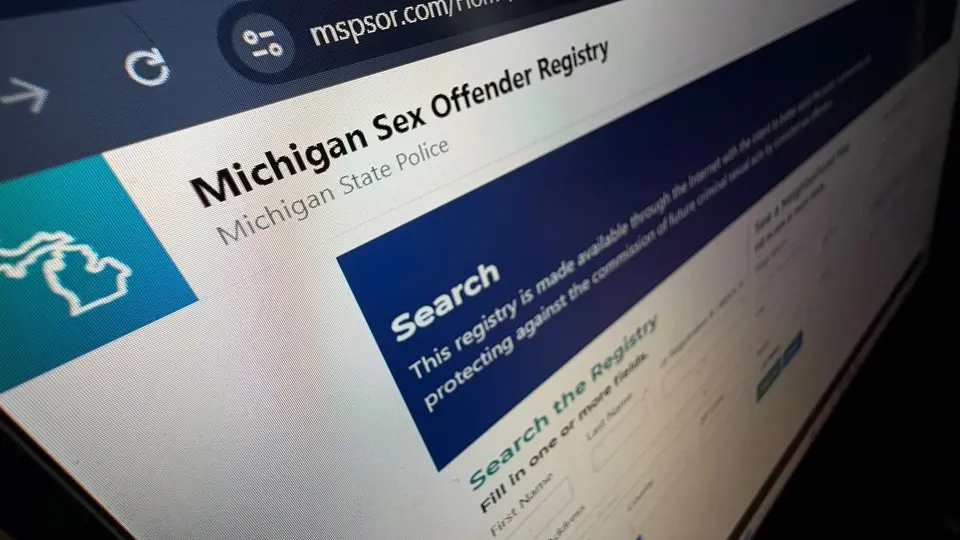
Michigan Cuts Sex Offender Registry by Half After Supreme Court Order
Michigan State Police (MSP) has removed more than 20,000 individuals from the state's sex offender registry following a ruling by the Michigan Supreme Court, wwmt.com reports. The court found that recent amendments to the Sex Offender Registry Act amounted to unconstitutional retroactive punishment.
The decision, handed down on Wednesday, 9 September, centred on the case of Eddie Lee Smith. In 2010, Smith pleaded no contest in Kent County to two counts of Criminal Sexual Conduct in the first and second degrees and was ordered to register as a sex offender for life.
After the legislature amended the Sex Offender Registry Act in 2011 and again in 2021, Smith challenged his continued registration. The Supreme Court ruled in his favour, finding that the amendments imposed new punishments on offenders for crimes committed before those changes took effect — a practice barred under a prior court ruling.
The decision applies broadly: any offender on the registry who committed a crime before 1 July 2011 cannot be compelled to comply with the rules introduced in either revision.
As of Friday, 11 September, MSP had removed more than 20,000 individuals from the registry. At the time of the court order, approximately 43,000 offenders were actively registered or required to register. MSP said the review process is ongoing and the numbers could change.
MSP Director Col. James F. Grady II said the department had no role in shaping the underlying law. "The MSP did not make this change to the law," Grady said. "However, the department maintains the database, is required to comply with the Court's order and is taking the necessary steps to implement the ruling. Any concerns about or efforts to change the law should be directed to the state Legislature."
The American Civil Liberties Union of Michigan filed a brief in support of Smith's case and has long described the state's sex offender registry as a flawed system. Miriam Aukerman, the union's director of strategic litigation, said the ruling highlighted the need for fundamental reform.
"Michigan communities, Michigan families deserve better than this failed counterproductive system," Aukerman said. "We need to hold people accountable, we need to support survivors, and we need to protect public safety by making it possible for people to reintegrate into the community."
Aukerman called on the state to redirect the funds currently spent on the registry toward supporting survivors and processing outstanding rape kits. "Making sure that we are actually doing what we need to do to keep our communities safe rather than perpetuating a failed counterproductive non-constitutional registry," she said.
Source: Google News MT — Crime (en)