Chilean Prosecution Accuses Diosdado Cabello of Paying for Ronald Ojeda's Murder
Prosecutor Héctor Barros claims to have more than five pieces of evidence, including telephone recordings, linking Cabello to the crime. The trial for the abduction and homicide of the Venezuelan in Chile has already begun.
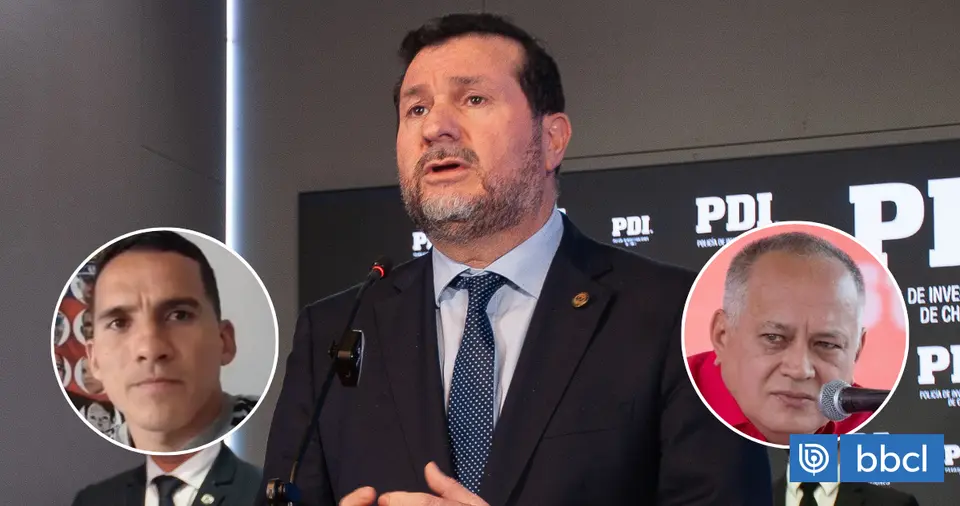
Barros points to Cabello as intellectual author of Ojeda's murder in Chile
The Metropolitan South regional prosecutor, Héctor Barros, confirmed to Radio Pauta that Diosdado Cabello, Venezuela's minister of interior and justice, allegedly commissioned and financed the assassination of former Venezuelan military officer Ronald Ojeda on Chilean soil. According to biobiochile.cl, the trial in this case is already underway.
"Diosdado Cabello would have been the one who commissioned or who negotiated, essentially, with the highest leadership of Tren de Aragua—which was Niño Guerrero at that time—and would also have been the one who arranged and made the payment for this commission," Barros stated.
When asked whether he maintained that Cabello was the intellectual author of the crime, the prosecutor noted that this position was not new. "We never assert anything in an investigation that we don't have grounds for, and we said it because we have in the investigation more than five pieces of evidence that directly show that Diosdado Cabello would have been the one who commissioned or who negotiated," he affirmed.
Those pieces of evidence, Barros specified, go beyond testimony and include "mobile telephone recordings, voice messaging, data messaging, text messaging".
The prosecutor defined the motive for the crime as political in nature, given the profile of the victim: "A former military officer who participated in a coup attempt, who escaped from prison and arrived in Chile where he requested political asylum, where again in the month of December 2023 he travelled to Venezuela together with other former military officers to carry out another coup attempt and less than two months later, appears kidnapped and murdered".
Barros emphasised that the manner of execution distinguishes this homicide from other crimes committed by the Venezuelan gang in the region: the crime "departs from everything the Tren de Aragua has done in Chile and I believe in South America by the way it was committed".
The prosecutor also noted that the current political situation in Venezuela opens new possibilities for the investigation. "There is a series of measures that we were never able to carry out, or that we requested and Venezuela did not respond to, or responded with something different to what was being asked," he indicated, without specifying what those pending actions would consist of.
Source: Google News CL — Crime