Digital fraud in Cuba: WhatsApp hacking and scams in Sancti Spíritus
Authorities in Sancti Spíritus have identified WhatsApp hacking as the most frequent form of digital fraud in the province, resulting in losses in both Cuban pesos and US dollars.
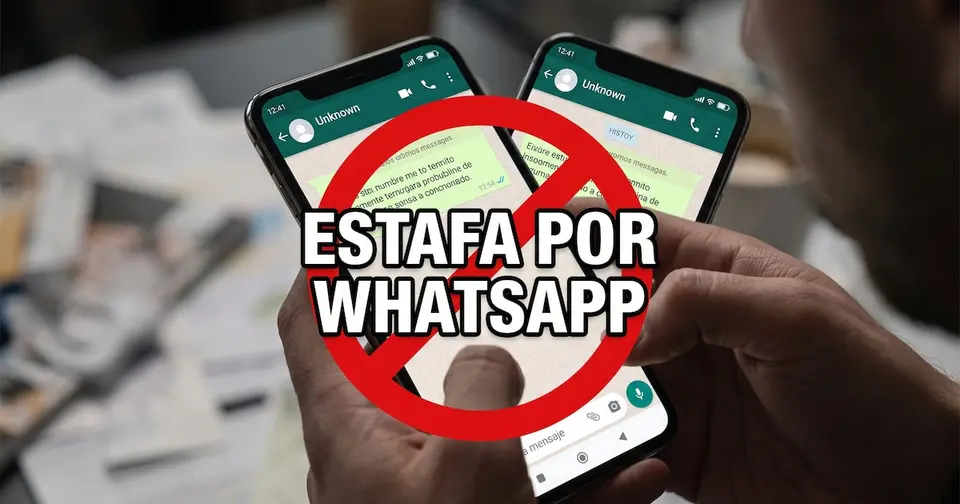
WhatsApp hacking and non-existent sales: digital fraud expands in Sancti Spíritus
The hijacking of WhatsApp accounts to request transfers from family members and friends has become the main form of digital fraud in the province of Sancti Spíritus, according to infobae.com. The Technical Directorate of Investigations (DTI) of the Ministry of Interior recorded sustained growth in these cases during 2026, with losses in both Cuban pesos and US dollars.
The mechanism operates on prior trust between victim and contacts: whoever receives the message recognises the number, name and photograph of someone close to them, even though the account is already under the control of a criminal.
The most commonly used procedure: WhatsApp hacking
Lieutenant Colonel Sonlit Fernández Montiel, head of Information and Analysis at the DTI in Sancti Spíritus, declared to the portal Cubadebate: "What is being used most today, that is, in the operating method using technology, is the hacking of the WhatsApp account".
One of those affected, identified under the fictitious name of Antonio, discovered that he could not access his account whilst his acquaintances received requests for money in his name. The impostor promised to return the sums sent by transfer in cash. Several contacts sent between 30,000 and 40,000 pesos believing they were helping a friend.
One of the access routes begins with product advertisements on social media. The interested party contacts a supposed seller and receives a link that appears to be part of the purchase process. "When you access the link, it has a malicious programme that hacks the application and, once the scammer manages to take over the account, he starts asking for money in your name," Fernández Montiel explained. In other cases, the victims themselves provide personal information or telephone data that enables unauthorised access.
Authorities recommended verifying any unexpected request for money by making a phone call, a video call or an in-person confirmation.
Phantom sales, counterfeit currency and extortion of inmates' families
Fraud also includes sales of non-existent products, fraudulent currency exchanges and advance payments for goods that are never delivered. A 65-year-old woman, identified as Ana, avoided losing USD 3,000 by distrusting a supposed solar energy systems company she had found on Facebook. The alleged sellers assured her by telephone that panels, batteries and inverters were on the way and that only payment via Zelle was needed. The installers never appeared.
In July, a man shared a conversation with a supposed solar panel seller who had attempted to direct him towards linked device options on WhatsApp to take over his account. Other variations include offers of non-existent motors, houses or clothing with a requirement for prior transfer.
"The alleged scammer always asks you for an advance," warned Owen Hernández Rodríguez, head of the DTI body in Sancti Spíritus. The same scheme is replicated in currency exchange: the victim transfers Cuban pesos expecting to receive foreign currency that never arrives.
Investigators also detected calls directed at relatives of imprisoned persons. The criminal presents himself as a prison official, invents a fight, a breach of discipline or damage to some equipment and requests money to resolve the supposed problem. This method was identified mainly between the end of 2025 and the beginning of 2026.
Young people with no criminal records and complex financial tracking
The DTI noted that many of those under investigation are young people with no criminal records but with knowledge of computing, social media and digital telephony. Hernández Rodríguez clarified that the investigations do not point to a single organisation: "They are individual scammers".
Trinidad, Cabaiguán, Yaguajay and the provincial capital concentrate the largest number of complaints, although cases have already been recorded in all municipalities of Sancti Spíritus.
Identifying the holder of a telephone line or a bank card does not always make it possible to establish who committed the fraud. Some payment methods are registered in the names of people who have emigrated or died, which forces investigators to reconstruct communications and financial movements.
In August, a Cuban resident in the United States reported the loss of USD 1,900 following the hijacking of a friend's WhatsApp account. In May, another victim reported having lost 70,000 pesos in a similar operation. Banco de Crédito y Comercio, Bandec, had warned in April about WhatsApp fraud aimed at obtaining verification codes to link accounts on foreign devices.
Source: Google News CU — Crime