Curfew imposed in four Ecuadorian provinces: third decree in 2026 amid organised crime
Ecuador has implemented night-time curfews lasting fifteen days across four provinces. Security experts warn that the measure produces only fleeting effects on homicide rates.
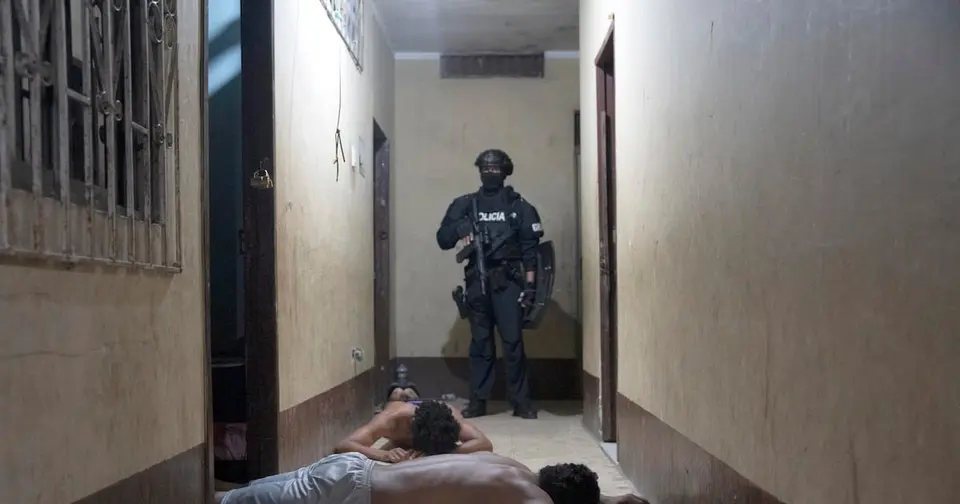
Ecuador enacts new night-time curfew as violence persists
Ecuador brought a new period of night-time mobility restrictions into force this Thursday—from midnight to five in the morning—across four provinces, for a period of fifteen days. It is the third curfew decreed so far in 2026, and is aimed at containing violence linked to organised crime, elfinanciero.com.mx reported.
Security consultant Katherine Herrera warned, in statements to EFE, that the measure produces limited results: "There may temporarily be a drop that allows the Armed Forces or security and control authorities to carry out other actions, but that is not a sustainable solution that really affects organised crime, and above all, that helps you reduce homicides."
Declaration of "war" on crime since January 2024
President Daniel Noboa declared "war" on organised crime in January 2024 and termed criminal organisations "terrorists". Since then he has issued a succession of states of exception that restrict the inviolability of homes, communications, and freedom of movement.
Homicide figures fell during 2024, but rose again in 2025 with a record 9,283 murders, despite two curfew periods being decreed that year for security reasons.
The persistence of violence in early 2026 led Noboa to reactivate the measure in March, May, and now in September, almost always in coastal provinces, where the most criminal activity linked to drug trafficking is concentrated.
Raids in "critical" areas
During the curfew, the Police and Armed Forces patrol the streets and carry out raids in areas termed "critical", where authorities claim members of criminal gangs take refuge. While arrests of members and leaders of these groups are announced, a significant portion of those detained are people who simply violated the time restriction.
Herrera pointed out that criminal groups seek to relocate to other provinces or resume their activities once the curfew ends, a phenomenon that the Government itself has identified in decrees signed by Noboa.
The numbers do not support the strategy
Data from the Interior Ministry illustrates the fragility of the results. Following the curfew applied in May across nine provinces and four municipalities, homicides dropped slightly in June—from 697 to 693—and rose again in July to 704. Both figures even exceed the records for the same months in 2025.
"Tactical war, not strategic"
Herrera emphasised that curfews cannot operate in isolation: criminal and penitentiary intelligence is required, asset investigation, weapons control, territorial focus and other policies integrated into a long-term security strategy.
"If that is not present, basically we are going to keep going like cats and mice," she stated.
The expert clarified that sustained reduction of homicides is only possible if the criminal structure is dismantled, the needs of citizens are addressed, the presence of the State is strengthened, and compliance with sentences is guaranteed. "To end organised crime, you also have to combat impunity and corruption," she emphasised.
Regarding the Government's progress, Herrera acknowledged that some steps have been taken, but others remain as "intentions". Her diagnosis was direct: "They are waging a tactical war, but not a strategic war."
Source: Google News EC — Crime