Drug trafficking in Thailand: around fifteen young French people trapped by fake holiday offers
Young French people are being held in Thailand after transporting cannabis in their luggage, lured by offers of free trips on social media.
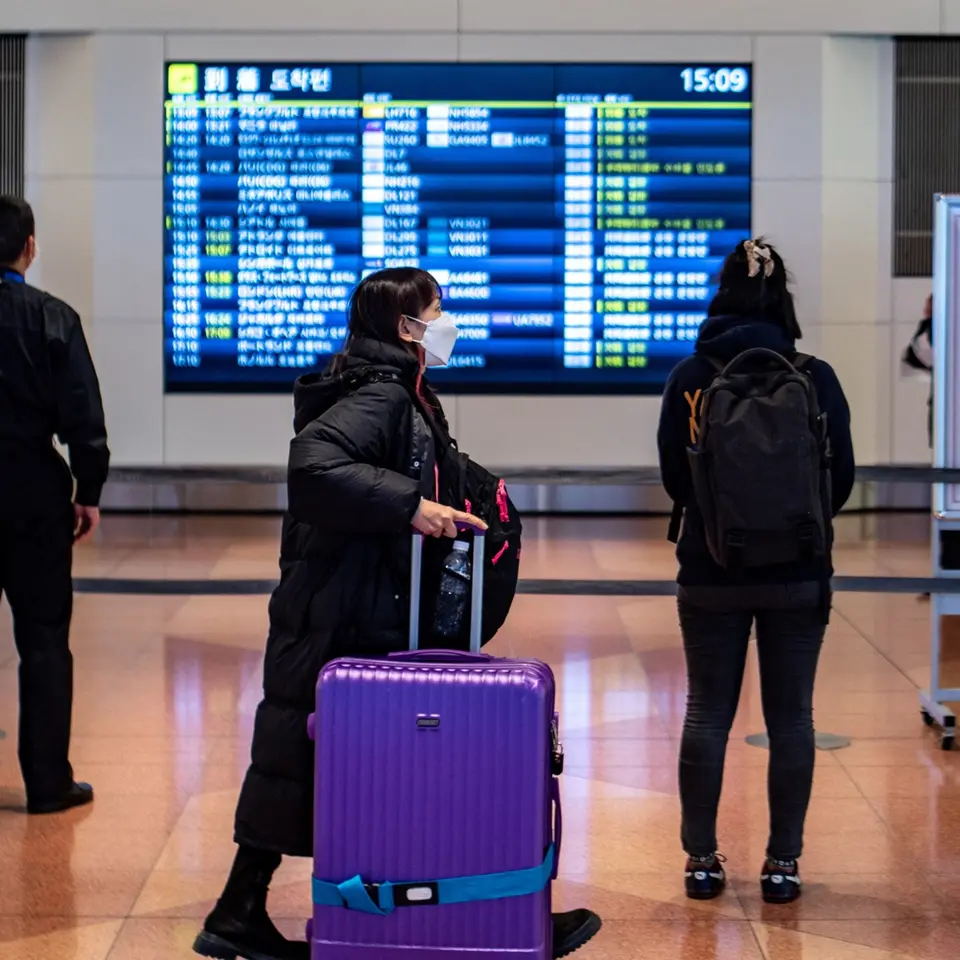
"Thailand plans" concealing a drug trafficking network
Around fifteen young French people are currently detained in Thailand, accused of drug trafficking. According to rtl.fr, they had responded to advertisements posted on social media promising fully paid holidays in exchange for transporting a suitcase presented as containing computer equipment.
These offers, dubbed "Thailand plans", circulate on the networks under the guise of a legal commercial activity. The recruiter presents themselves as managing "a smartphone buying and reselling business" and is looking for a "serious, reliable, punctual profile". The mission, laid out in six steps, amounts to bringing back to France a suitcase "filled with phones" — in reality loaded with drugs.
Mathis's mother, 19 years old, testifies
The mother of Mathis, 19 years old, currently incarcerated in Thailand, gave testimony on M6. "It was like a holiday camp. They gave them pocket money, they did whatever they wanted. All-inclusive trip, why not?" she recounts.
On 16 July, she receives a call from her son, stuck at the airport. "I burst into tears. That's when I understood he had transported a suitcase with cannabis and they were asking for 14,200 euros for 18.75 kilos", she continues. She adds: "We hope we'll be able to get him out. I know very well that right now, my son is not in a good state."
Deliberate targeting of vulnerable profiles
For Maître Sarah Georgette, a cybercrime specialist lawyer, the recruitment mechanism is well-honed. "You're looking for vulnerable young people who don't think much. Trafficking has adapted, it makes nice advertisements using ChatGPT that are posted on networks. It's the perfect breeding ground", she explains.
The advertisements, carefully presented, target young people seeking opportunities and unlikely to question their legality. The use of automatic text generation tools gives them a professional appearance that reinforces their credibility.
Sentences that can exceed ten years in prison
For those arrested by Thai authorities, the penalties are severe: up to ten years in prison, or more. Maître Georgette warns against any illusions about defence based on naïvety.
"You have local authorities that have been mired in drug trafficking for decades. Some will want to make examples of them. Pleading naïvety, because it's the only defence and it's probably the truth, guarantees neither immunity nor safe return", she warns.
The situation of the detained young people illustrates the scale of an organised network that exploits ignorance of legal risks abroad and the promise of easy money to recruit unwitting couriers — or at least those not informed of the true stakes of their mission.
Source: Le Monde - Justice