Record cocaine seizure in Haitian waters reveals key role in regional trafficking
1,045 kg of cocaine seized near Tortuga Island in July 2025, the largest seizure in 30 years. UNODC warns of Haiti's central role in trafficking to the Caribbean and Europe.
Haiti at the heart of global drug-trafficking routes, according to UNODC
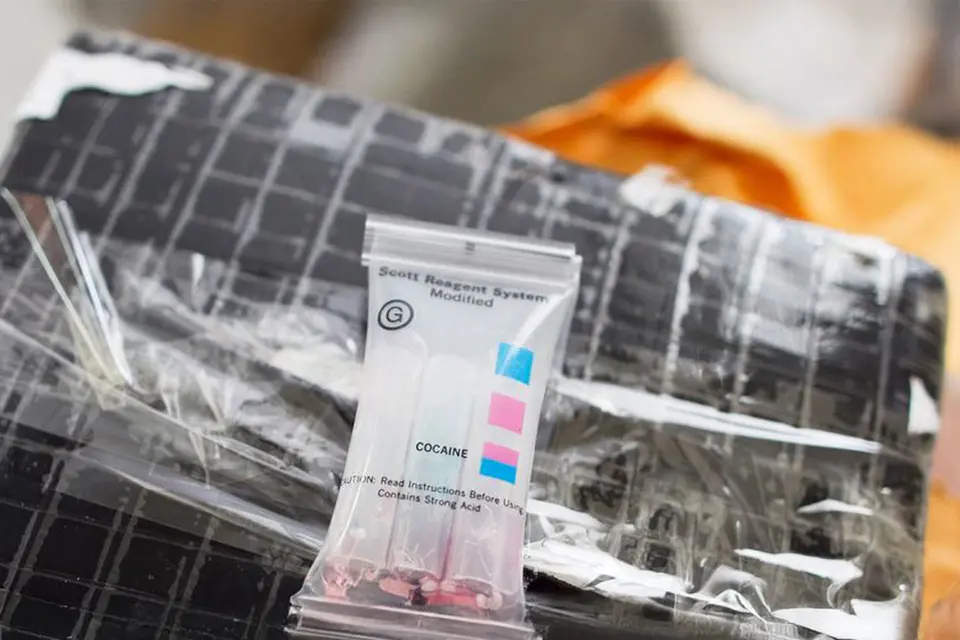
A record seizure of 1,045 kilogrammes of cocaine carried out in July 2025 near Tortuga Island, off Haiti's northern coast, has highlighted the pivotal role this country plays in trafficking routes connecting South America, the Caribbean and the United States. It is the largest drug seizure recorded in the country in over thirty years, according to the United Nations Office on Drugs and Crime (UNODC), which has published a detailed analysis of the situation.
Two weeks after this maritime seizure, 426 kg of cannabis were confiscated at Petite-Anse, near Cap-Haïtien, in the north of the country. At the same time, two Haitian nationals were arrested in Jamaica, also in July, in possession of over 1,350 kg of cannabis.
Sophisticated routes to Europe and the Americas
The cocaine intercepted in July was believed to have originated in South America and was, according to investigators, intended to be distributed in the Caribbean and the United States. But the flows are not limited to that direction. In August 2025, Belgian authorities seized 1,156 kg of cocaine at the port of Antwerp, in a container coming from Haiti — further evidence, according to UNODC, of the existence of routes to Europe.
The traffickers involved in the cocaine cargo seized in July were nationals of the Bahamas and Jamaica, which illustrates the regional dimension of the networks at work. These sophisticated, coordinated and well-established routes require, according to UNODC, a firm regional law-enforcement response.
Gangs control strategic corridors
The main Haitian gangs have positioned themselves along strategic corridors within and outside Port-au-Prince, as well as at the border with the Dominican Republic. This positioning allows them to control the main transit routes for drugs, weapons and other contraband goods.
This control of inland routes gives the gangs the capacity to extort the local population whilst allowing drugs to circulate with impunity, much of it destined for export. Some gangs would also subject boats to passage fees and engage in armed robbery at sea. Intelligence from Jamaica also establishes a link between seizures of firearms and a weapons-for-drugs trafficking operation involving Haitian gangs.
Tortuga Island, a historic nerve centre
A large part of international drug trafficking is concentrated around Tortuga Island. Historically exploited by pirates, it has become over the decades a preferred platform for organised criminal networks for drug trafficking, human trafficking and other illicit activities. Its geographical position, offering direct maritime access to the Bahamas, Jamaica and the Turks and Caicos Islands, makes it an ideal storage and transit point for illicit cargo.
Traffickers have managed to take advantage of gaps in Haiti's institutions: the absence of a robust judicial and penal system in the face of gang expansion has facilitated the entrenchment of these networks.
A security crisis that increases vulnerability
Haiti is experiencing a serious security crisis, with gangs competing for control of territory in the capital and beyond. The insecurity has caused the displacement of hundreds of thousands of Haitians, exacerbating humanitarian and economic crises. Experts fear that these gangs will increasingly collaborate with international criminal networks.
These new drug routes also overlap with migrant-trafficking operations, in which increasing numbers of Haitian nationals are involved. Drug trafficking thus contributes to regional instability, weakens governance, disrupts economies and fuels violence. The ports, trade routes and tourism sectors of the countries concerned face increased security problems.
UNODC strengthens its intervention mechanisms
In response to this situation, UNODC has intensified several lines of action. A national border-management initiative, aimed at strengthening interception capabilities in ports, airports and at land border posts, has been launched at the request of Haitian authorities.
At sea, UNODC's Global Programme against Maritime Crime seeks to consolidate the capacities of Haiti's coastguard, which plays a crucial role in securing maritime routes heavily used for drug trafficking and human trafficking.
On land, the UN agency is strengthening the capacity of law-enforcement forces to conduct intelligence operations against organised criminal groups involved in migrant trafficking, human trafficking and related criminal activities. Information-sharing between Haiti and its regional partners has also been intensified, in order to identify and dismantle cross-border networks. UNODC is also working to combat corruption and financial crime that enable these networks to continue operating.
Source: Google News HT — Crime