DIICOT operation against the Buricea clan: 29 searches for murder, loan sharking and human trafficking
DIICOT prosecutors descended on 29 locations in Brăila and Galați on Thursday, including in a penitentiary, to dismantle the Buricea clan. The group is suspected of serious crimes, including attempted murder, loans with excessive interest and sexual exploitation of women abroad.
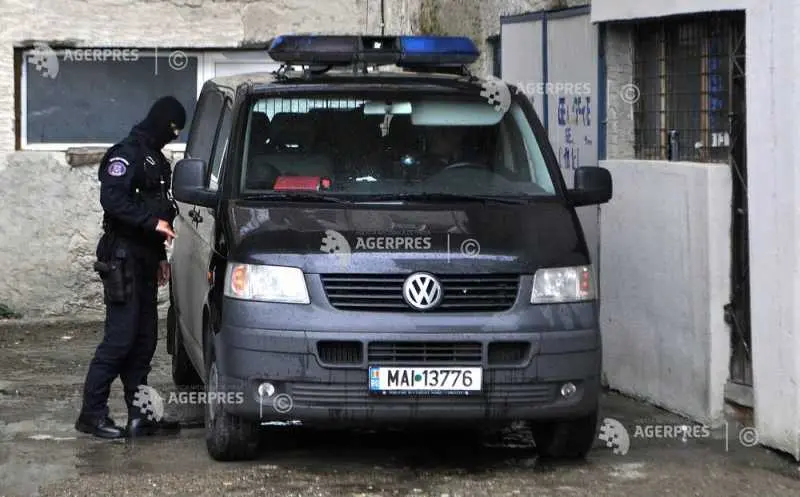
DIICOT operation against the Buricea clan: 29 searches for murder, loan sharking and human trafficking
On Thursday, DIICOT prosecutors launched a broad operation across Brăila and Galați counties, conducting 29 raids, including inside Brăila Penitentiary. The operation targeted members of the Buricea clan, suspected of serious offences such as forming an organised criminal group, attempted qualified murder, extortion, loan sharking, harbouring a criminal, human trafficking, procuring and money laundering, according to Agerpres.
From 2021 onwards, three individuals from Brăila are believed to have established the foundations of a criminal network, to which 20 other accomplices subsequently joined. Under the coordination of a 50-year-old man, considered the head of the group, its members are believed to have acted together to commit serious attacks on people and to disrupt social coexistence. Each participant had a precise role, and the ultimate aim was to accumulate profit from illegal activities, particularly from unauthorised loans with high interest.
Over a five-year period, the suspects are believed to have resorted to extreme violence against several people, attempting to kill four of them. The assaults also included offences of disturbing the peace, intended to consolidate the group's territorial dominance, to intimidate potential rivals and to maintain the clan's image of brutal force in the local criminal underworld. The nature of the blows, the objects used, the intensity and the areas targeted could have caused the death of the victims. The fact that they survived is due solely to the medical care they received and their own reactions, not to any intention on the part of the assailants to spare their lives.
The head of the network is believed to have engaged in loan-sharking activities, lending money to individuals and charging weekly, monthly or fixed-period interest, without any legal authorisation to do so. To ensure recovery of the sums, he requested debtors to pledge immovable property and luxury cars as collateral. When payments were late, the leader is believed to have resorted to threats and psychological pressure to force people to pay. Other members of the clan are also believed to have engaged in lending with interest, despite having no legal right to do so.
The investigation has also revealed that the group's leader conducted financial transactions through which he received sums derived from loan-sharking interest and loans. To conceal the illicit origin of the money, he transferred and registered in the names of relatives immovable property and luxury vehicles, although he was the one who actually used them and benefited from them.
Another facet of the criminal activity involves two members of the group, who are believed to have recruited two women using the "loverboy" method. Initially, the victims were seduced through declarations of love and promises of affection, after which they were subjected to a regime of psychological coercion and forced to prostitute themselves. The exploitation activity is believed to have taken place in Switzerland and Austria. One of the two women was moved and housed in several localities in Romania, including Brăila, Baia Mare, Brașov and Suceava.
Interrogations are currently taking place at the headquarters of DIICOT – Central Structure.
Source: Agerpres
Source: Google News RO — Crime (ro)