Manslaughter trial: Dr Taiganides "supremely confident" intubation was correct
A former HSA physician charged with manslaughter told the court he correctly intubated gunshot victim Travis Ebanks and performed all required checks to confirm placement.
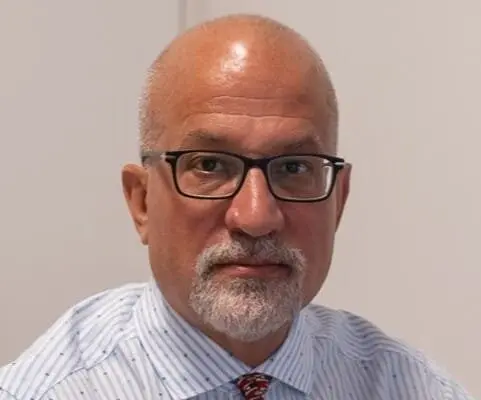
Former HSA doctor defends intubation at Cayman manslaughter trial
A former physician at the Health Services Authority (HSA), charged with manslaughter over the death of gunshot victim Travis Ebanks, told a Cayman court on Thursday that he was "supremely confident" he had placed a breathing tube correctly during emergency treatment on 21 January 2024. According to Cayman News Service, Dr Paul Taiganides (63) maintained that position throughout extensive cross-examination, insisting he and his colleagues had all agreed at the time that the intubation was correct.
The Crown's case holds that Dr Taiganides placed the breathing tube into Ebanks' oesophagus — his food pipe — rather than his windpipe, and failed to identify or correct that critical error, making him guilty of manslaughter through culpable negligence. The misplacement was discovered during a postmortem conducted several days after Ebanks died.
Patient arrived 'on his way to dying'
Answering questions from defence attorney Ben Tonner KC before facing cross-examination from Crown counsel Richard Matthews KC, Dr Taiganides described in detail the condition in which Ebanks arrived at the emergency room in the early hours of that January morning. Ebanks had been shot in the neck and chest, had lost approximately half of his blood volume, was suffering a spinal cord injury, and was bleeding to death.
Dr Taiganides said Ebanks' oxygen levels were critically low on arrival despite having received 100% oxygen through a mask from the moment paramedics reached him in the field. He argued that it was the catastrophic blood loss — not the intubation — that was killing Ebanks. A blood transfusion was urgently needed, he said, but did not reach the emergency room until well after Ebanks had died.
The doctor also addressed claims by Crown expert Professor Charles Deakin, who had testified that Ebanks' bleeding from the gunshot wounds had slowed sufficiently in the ER to give him a fighting chance. Dr Taiganides rejected that assessment, stating the bleeding had slowed only because Ebanks' blood pressure had collapsed to the point where his body was simply unable to bleed further. "He was in hemorrhagic shock," he said.
Carbon dioxide monitor and colleague confirmation
Central to Dr Taiganides' defence was the reading from a carbon dioxide monitor — a device he described as one of the most reliable tools for confirming that a breathing tube has been placed in the airway. He told the court the monitor showed Ebanks was expelling carbon dioxide following intubation, a finding confirmed by his colleague Dr Sean Teeling, who was also present in the emergency room and who pronounced Ebanks' death approximately 13 minutes after the tube was placed.
Dr Taiganides acknowledged that the tube had not been fully secured, attributing this to Ebanks' critical condition and the ongoing treatment he was receiving. He said it was highly likely the tube had become dislodged during treatment or transfer, noting this is a recognised and common occurrence in trauma cases.
He accepted without reservation that if he had placed the tube incorrectly and failed to detect this through inadequate or misread checks, such conduct would fall below the standard expected of a medical professional. He was equally emphatic, however, that this was not what had happened.
Charges rooted in desktop reviews, not clinical investigation
Dr Taiganides highlighted what he described as an unusual aspect of the case: the accusations against him did not originate from any clinical review carried out within the hospital following Ebanks' death, but from a report submitted by the pathologist to police.
The Royal Cayman Islands Police Service then engaged two expert witnesses to produce reports. Neither expert was present during Ebanks' treatment, neither has visited the HSA hospital, and neither was provided with all the relevant information from that night or the testimony given by other medical staff. Both produced desktop reviews rather than hands-on investigations.
Dr Taiganides was informed he was under suspicion based on these reviews and was charged almost two years later.
Three decades of trauma experience
The jury heard a full account of Dr Taiganides' career spanning more than 30 years, which includes substantial trauma work in hospitals and in war zones. Despite the weight of that background, Matthews continued to press him on a brief note he had written shortly after Ebanks was pronounced dead, suggesting the note reflected an attempt to distort the timeline of events and conceal mistakes.
Dr Taiganides pushed back firmly. He pointed out that the note was made immediately after a trauma in which the patient had been unconscious, deprived of blood and oxygen, and had stopped breathing. He rejected the Crown's characterisation of his account as dishonest.
"Obviously, I am not lying," he told the court. "Your statement that I am not telling the truth is offensive. I know what I saw."
He consistently returned to the severity of Ebanks' injuries and what he described as the inevitability of his death from the moment he arrived at the emergency room.
Defence expert witness still to testify
The defence legal team is set to call its own expert medical witness as the trial continues. The testimony is expected to further contest the conclusions drawn by the Crown's experts regarding the cause and manner of Ebanks' death.
Source: Cayman News Service