Trinidad and Tobago State of Emergency ends with 5,767 arrests and 14% crime drop
T&T's six-month state of emergency expires Sept. 17, with over 5,700 arrests, 318 firearms seized, and serious crimes down 14%. Threat remains, minister warns.
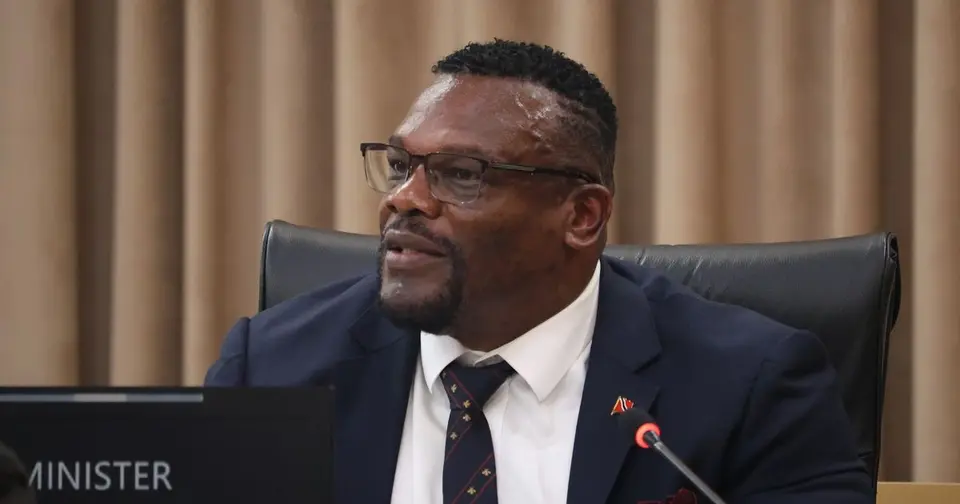
T&T state of emergency to expire with 5,767 arrests and major crime reductions recorded
The Trinidad and Tobago government's six-month state of emergency will expire on September 17, having produced more than 5,700 arrests, the seizure of hundreds of firearms, and a 14% decline in serious crimes, caribbeannationalweekly.com reports.
Homeland Security Minister Roger Alexander addressed Parliament on Friday, stating that the measure — which took effect on March 3 and was extended twice — is ending due to legal requirements, not because the security threat has passed.
"The state of emergency is ending because the law say that it must. It is not ending because the threat has disappeared. It is not ending because the police has finished its job and it is not ending because the criminal gangs have been given reprieve," Alexander said.
He added that enforcement pressure would not ease once the emergency powers lapsed. "The emergency powers will end, the fight against crime will continue. There will be no ease up…on the pressure that will be. There will be no retreat, no surrender, no white flags, all red."
Operations and detentions
During the first 191 days of the state of emergency, protective services conducted 13,108 operations. The Trinidad and Tobago Police Service arrested 5,767 people. A total of 702 preventive detention orders were approved, with 573 executed. Authorities also recovered 318 firearms and 6,414 rounds of ammunition.
As of Thursday, 240 people detained under preventive detention orders had been charged, with investigations into others continuing.
"Every round of ammunition seized is one less bullet available for the criminals. Every criminal network disrupted, weakened the machinery of violence that had caused suffering in our community," Alexander said.
Why emergency measures were imposed
Alexander said the state of emergency was introduced in response to an escalation in violent crime by organised gangs, including multiple killings and mass shootings. Law enforcement had advised that the pattern of violence was expected to continue.
The National Security Council, chaired by Prime Minister Kamla Persad-Bissessar, determined the government had "no choice" but to act. Alexander described the measure as an operational tool — not merely symbolic — that allowed authorities to coordinate intelligence and sustain pressure against networks driving violent crime.
Crime figures
Between January 1 and September 10, 6,884 serious crimes were reported, down from 8,014 during the corresponding period in 2025 — a decline of 14.1%.
Murders fell from 438 in 2024 to 262 in 2025 and 252 so far in 2026. Woundings and shootings dropped from 542 in 2024 to 402 in 2025 and 313 this year. Robberies declined from 1,723 in 2024 to 1,325 in 2025 and 901 so far this year.
"These are not imagined. These are real statistics provided by the Trinidad and Tobago Police Service and they tell us something important. Pressure works, sustained law enforcement works, intelligence led policing works," Alexander said.
He cautioned that the government was not attributing all reductions solely to the state of emergency, but said the figures showed key crime indicators were moving in the right direction.
Investigations continue beyond the SOE
Alexander stressed that the expiration of emergency detention powers would not halt ongoing investigations or erase intelligence gathered during the period.
"The police will continue to investigate into persons and networks of interest," he said, adding that cases would be brought before the courts once sufficient admissible evidence was obtained.
"The SOE was one weapon in the state arsenal against crime. It was never the entire arsenal. This government has never presented the state of emergency as the only answer to crime. It formed part of a broader sustainable national security strategy," Alexander said.
That broader strategy, he outlined, includes strengthening police manpower, improving mobility and visibility, modernising legislation and technology, securing the country's borders, tackling trafficking and cybercrime, and addressing social factors that place young people at risk of entering criminal networks.
Source: Google News TT — Crime