Matonge trial in Brussels: 46 defendants charged with drug trafficking at Ixelles gallery
The trial of the drug dealing point at Matonge gallery opened on Tuesday at Justitia courthouse in Haren, with 46 defendants appearing on charges of trafficking in narcotics.
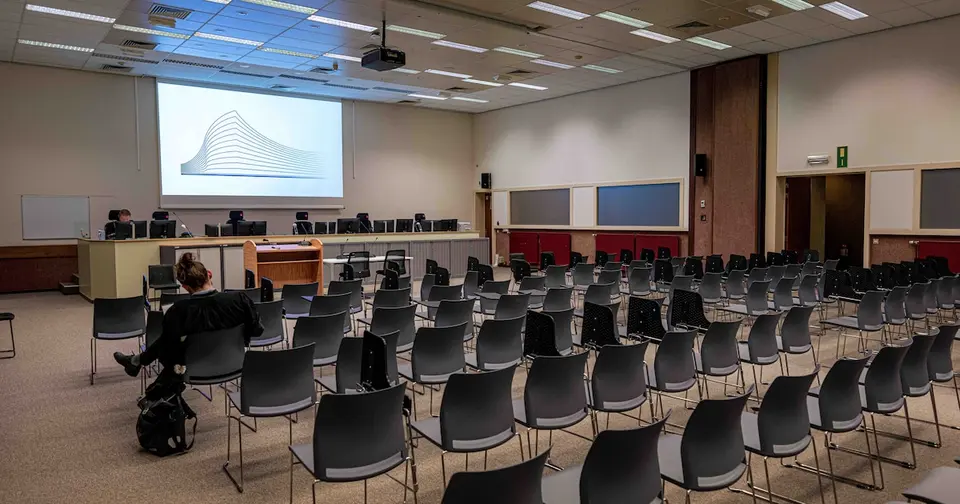
Matonge trial: a chaotic first hearing at Justitia in Haren
According to La Libre, the trial known as "Matonge" opened on Tuesday at Justitia courthouse, located in the former NATO premises in Haren. Forty-six defendants are appearing before the Brussels correctional tribunal for their alleged roles within a criminal organisation active in trafficking in narcotics around the Matonge gallery in Ixelles.
The covered passage — known for its restaurants, African cafés, hairdressing salons and specialist shops — has also been identified since 2024 as one of the "hotspots" in the Brussels Region, that is, a place of active drug sales. Between May and October 2025, police carried out several observation operations there before launching a wave of raids on 3 November. All defendants deny the charges.
Delays from the outset
The morning got off to a bad start. According to a lawyer present, detainees were initially transported by mistake to the courthouse at Poelaert square — nearly ten kilometres from Haren — before being redirected to the correct address. Those who were punctual refused to enter the courtroom. "We do not wish to be filmed," one of them said to the television crews present.
During nearly four hours of examination at the hearing, the tribunal president questioned the defendants one after another. The atmosphere was far from that of major trafficking trials: no murder, no Kalashnikovs, no shell companies concealed abroad. The overwhelming majority of those appearing are consumers of cannabis or cocaine, sometimes observed only a handful of times in the aisles of the gallery.
Highly varied profiles
Among the defendants are fathers and mothers, young adults, unemployed people or those working part-time jobs. Many of them are members of the Congolese community in the capital. A man in his forties employed by the STIB, observed five times inside the gallery, explained he smokes cannabis in order to sleep because of his shift work.
"I only go to Matonge to eat African food, get a haircut, go shopping," a man in his thirties identified as A. K. enumerated laconically. "I really do not understand what I am doing here," another defendant said in frustration. D. N., a mother of three children and occasional consumer, for her part insisted: "My parents were merchants at Matonge. So was I. That is why I frequent the neighbourhood. I have never obtained narcotics there."
A file of 33 indictments
The file, described as a "mammoth," comprises 33 indictments. The charges retained include membership of a criminal organisation, trafficking in narcotics, money laundering and possession of weapons — particularly pepper sprays and tasers. According to calculations by the Brussels prosecutor's office, the organisation would have gained minimum illicit patrimonial advantage of 6.163 million euros, a sum that investigators struggle to justify given the few kilograms of cannabis seized.
The hearing was marked by repeated delays, tensions and numerous misunderstandings. The tribunal president made repeated calls to order — "Turn off your phones", "Silence", "Thank you for being on time" — without managing to avoid bursts of laughter in the courtroom.
The alleged supplier partially admits
Among the central figures of the network is N. V., suspected of being the "supplier" for the organisation. Already sentenced to five years' imprisonment for selling and importing drugs, she admitted to having solely acted as a "temporary intermediary" for M. B., the alleged leader of the hotspot. Exchanges found on Snapchat implicated her.
The presumed number one of the organisation is due to be questioned on Wednesday. The trial is scheduled to last three weeks, unless the proceedings drag on further.
Source: La Libre